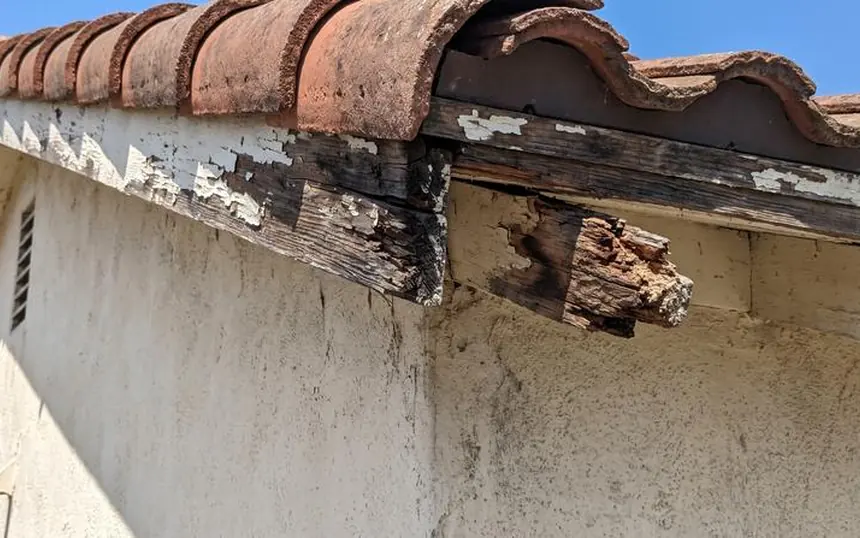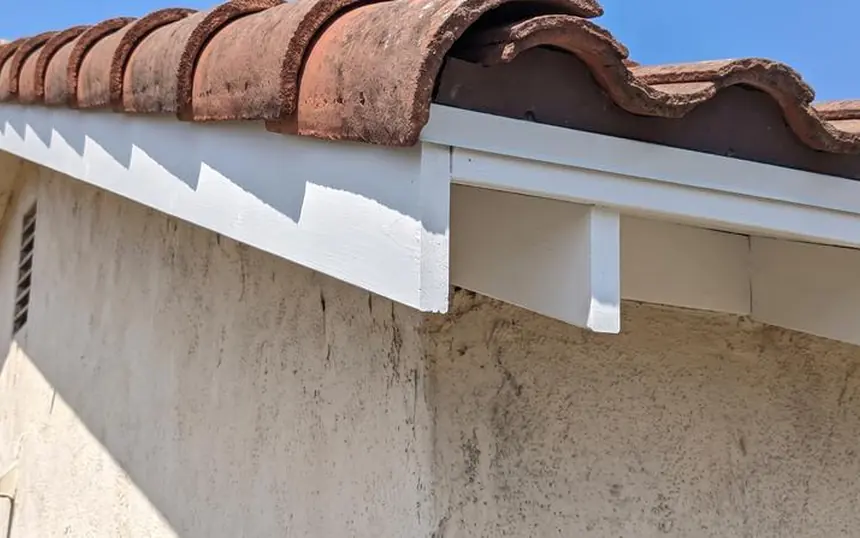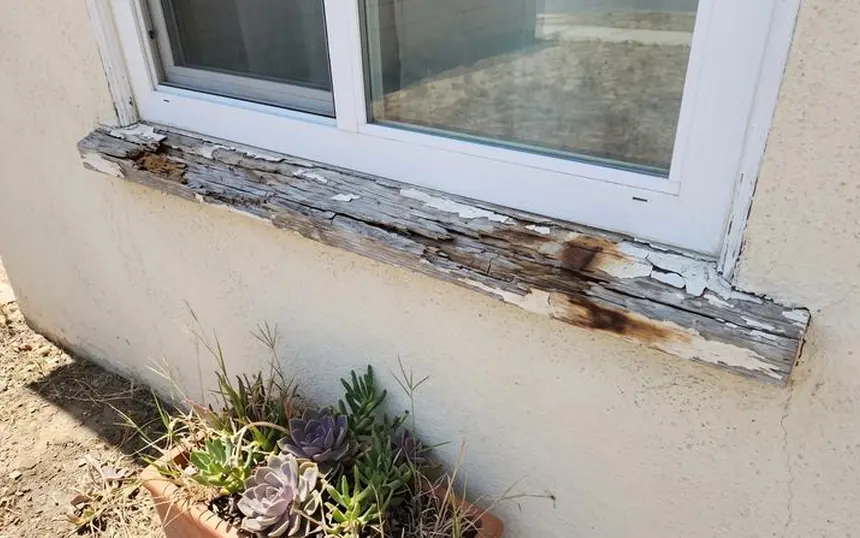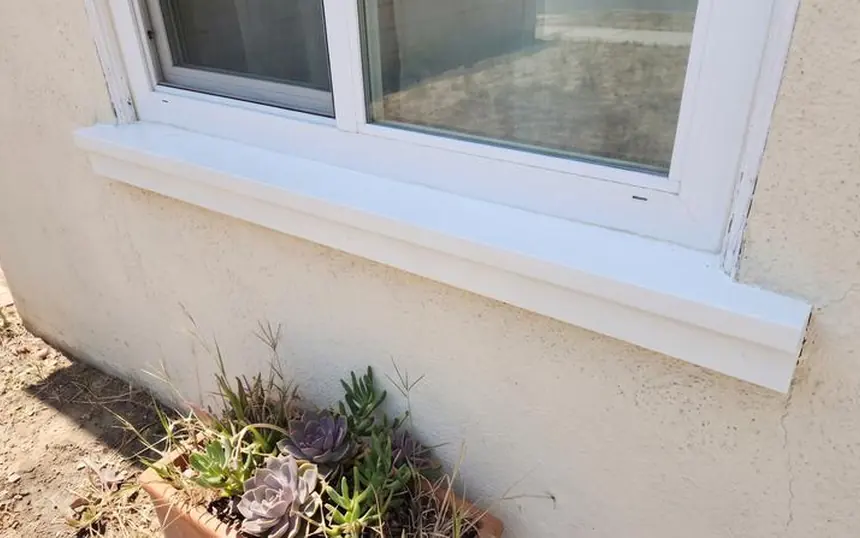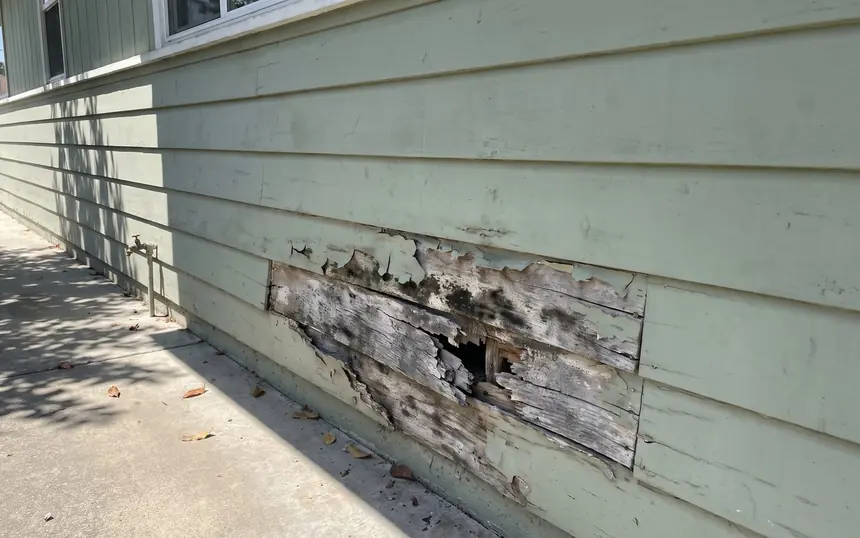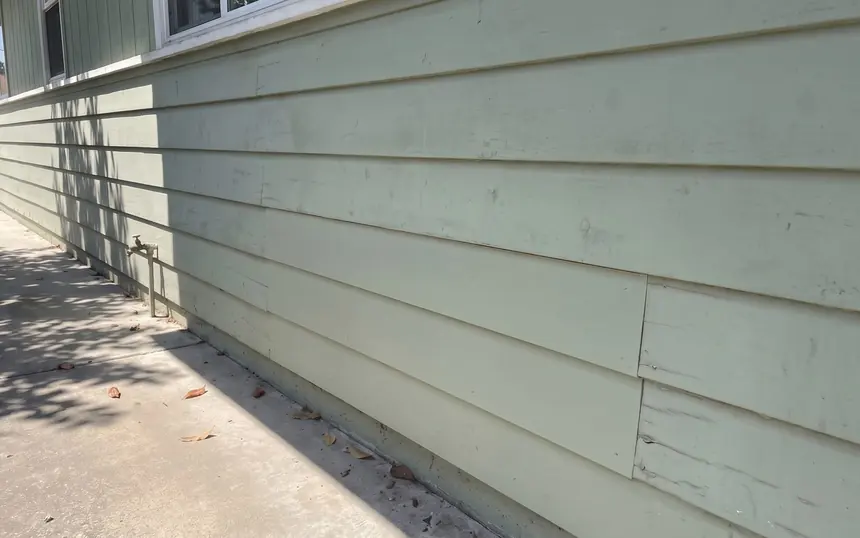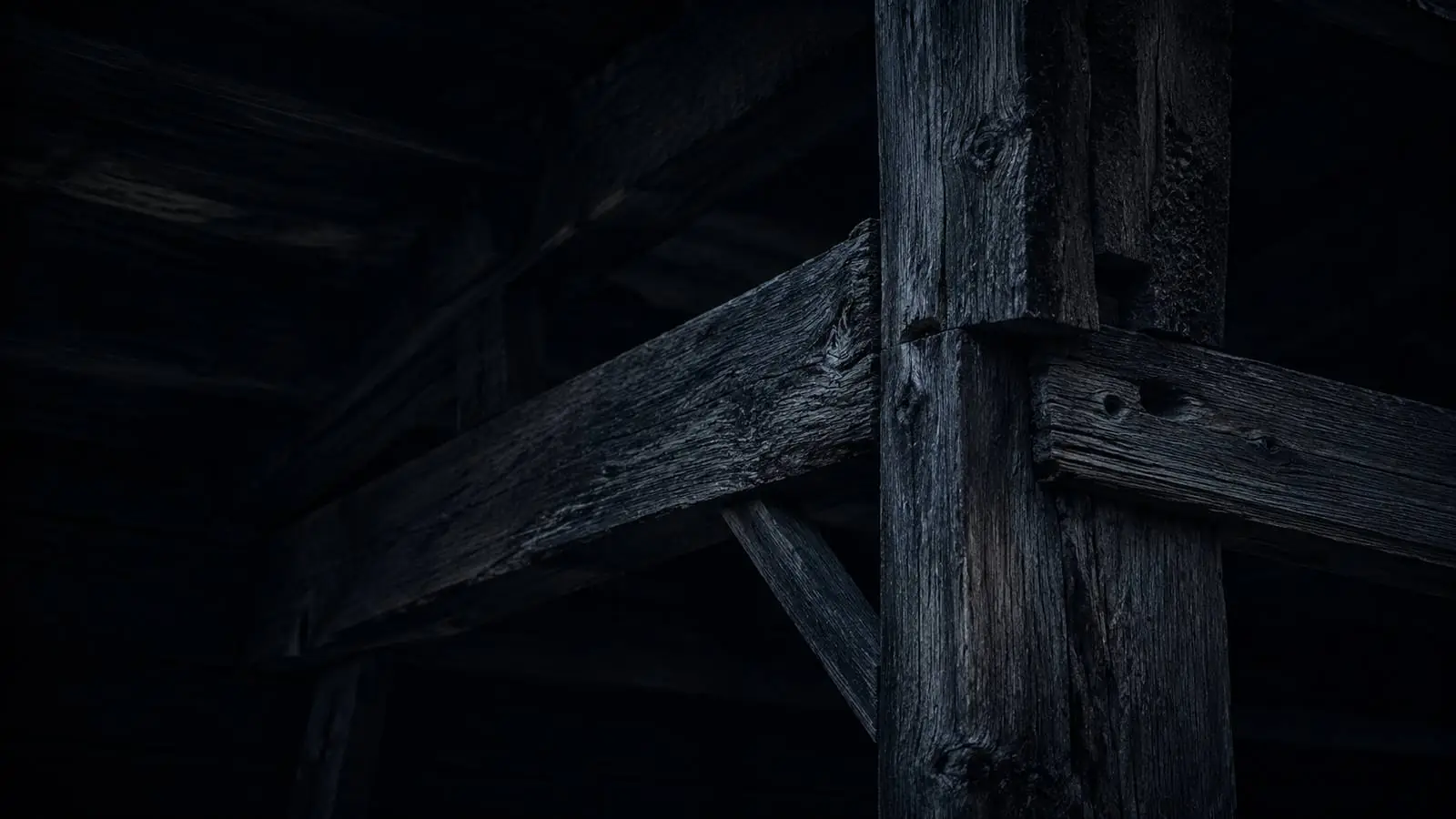
Fascia, sills, siding, deck boards and termite damage cut out and rebuilt with sound wood, East Bay to South Bay. Priced in writing before we start.
 BBBAccredited Business
Kaminskiy Care and Repair rebuilds dry rot, wood rot and termite damage across the Bay Area from two offices, Walnut Creek for the East Bay and Sunnyvale for the Peninsula and the South Bay: fascia and eaves, window sills, door jambs, trim, wood siding, deck boards, railings and posts, cut back to sound wood, rebuilt with the same profile, primed on every face, painted to match and sealed, with the water path fixed. Where the rot is in the fog belt or in the hot inland valleys decides where we look first. A licensed pest company treats the termites; we rebuild what they ate. The price is in writing before anything starts. Since 2023 our East Bay crew alone has completed 3,642 repair visits on 1,376 homes from Walnut Creek to Pleasanton.
 Eight repairs, one crew, priced in writing before we start.
One region, three climates: the East Bay's winter rain and summer heat, the Peninsula's fog and salt air, the South Bay's dry sun and lawn sprinklers. Rot starts in a different board in each, and the repair is the same: cut back to sound wood, rebuild, prime, paint, seal, and fix what let the water in.
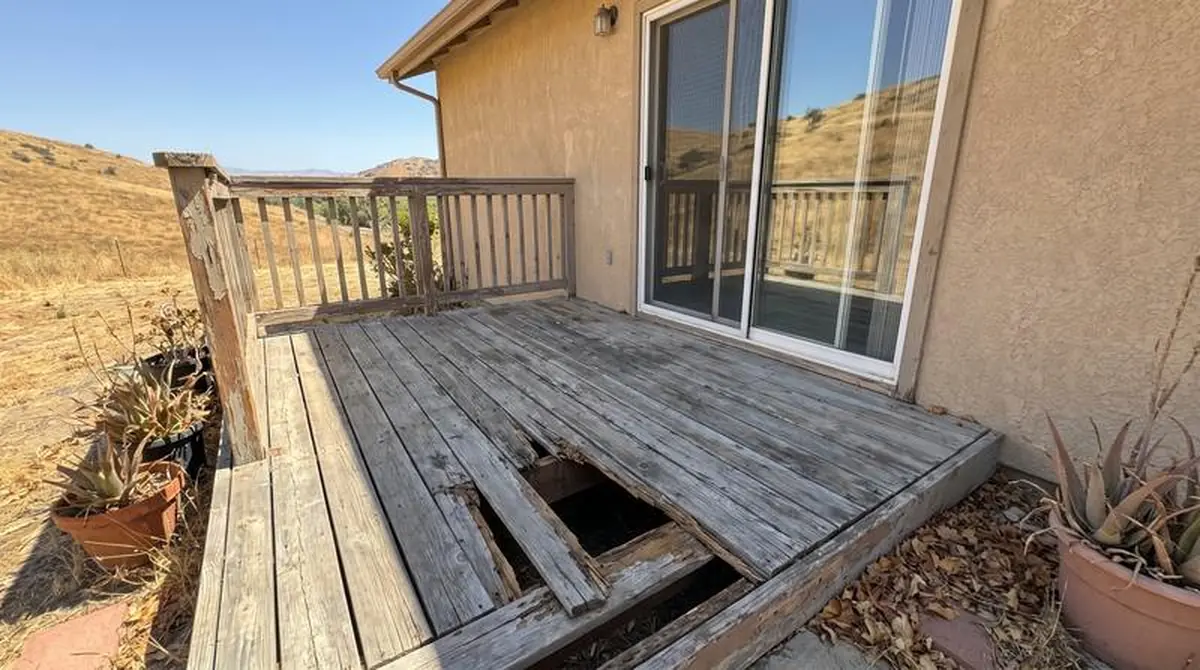
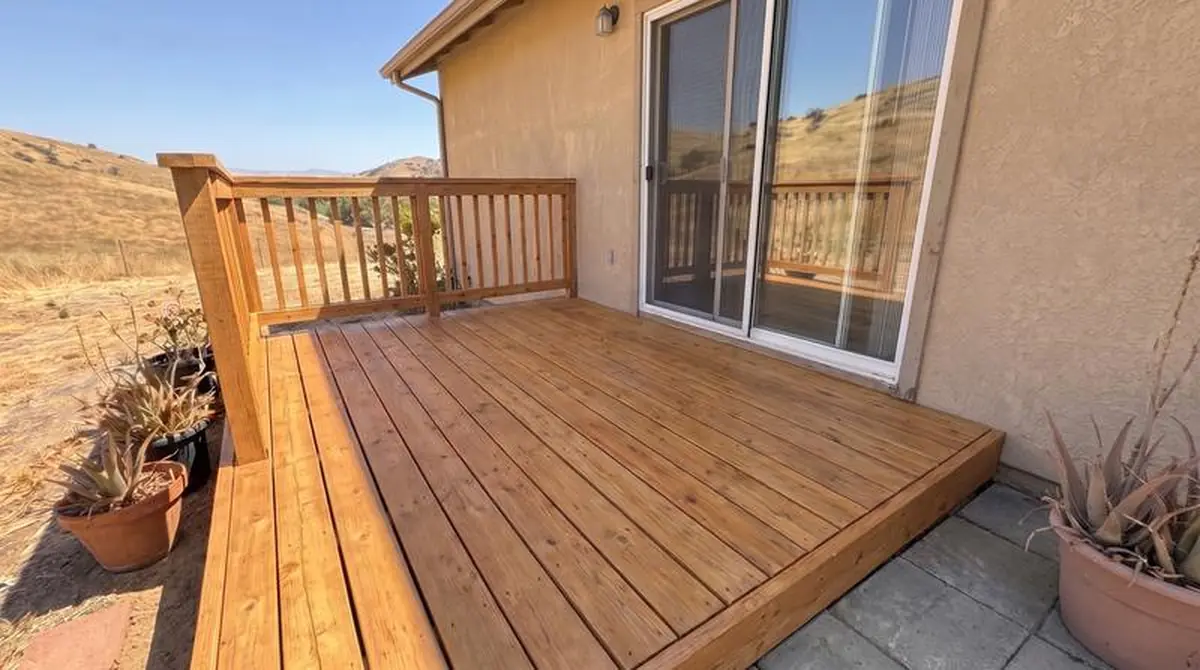 AFTERBEFORE
 Fascia & Eaves
 Window Sills
 Door Jambs & Casings
 Trim & Siding
 Termite Damage Rebuilds
 Deck Boards & Railings
 Stairs & Posts
 Primed, Painted & Sealed
Whichever side of the Bay you are on, these are everyday repairs for a Kaminskiy-certified technician from the nearer office. A board or a sill is priced on the call, in writing; a deck or a rebuild into framing gets a look and a written scope first.

We answer in under three rings and get you priced and scheduled in minutes.

A clear, written quote with upfront pricing. You approve before work begins.

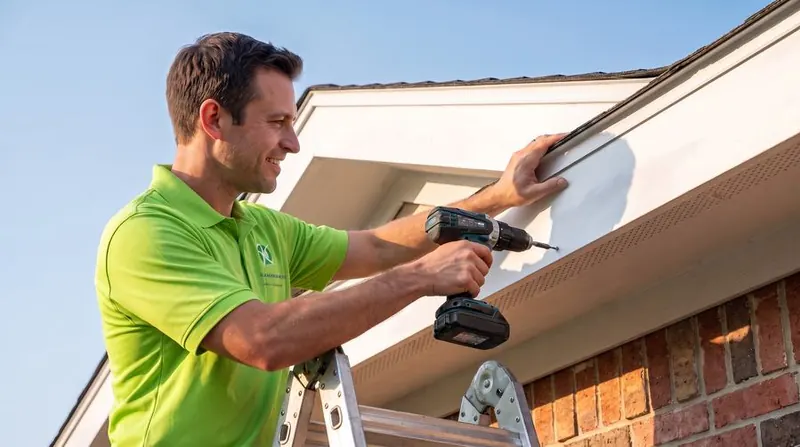
Kaminskiy-certified pros finish the job with a workmanship warranty.
Every rot and termite damage repair carries our one-year workmanship warranty, in writing, and is done by a Kaminskiy-certified, background checked technician.
It depends which Bay you live in. Inland, in Concord, Walnut Creek, Danville and Pleasanton, the winter storms soak the end grain and the summer sun checks the paint so the next storm gets in deeper; under the Lamorinda oaks the shade keeps the north walls wet into May. On the Peninsula, in San Mateo, Burlingame and Redwood City, the fog and the salt off the Bay keep the west and bayside walls damp most of the year. In the South Bay, in Sunnyvale, Mountain View and San Jose, it is dry and sunny and the sprinklers do the damage at the bottom boards and the posts. We look at the wet wall first, and the wet wall is different in each.
Across the Bay the main termite is the western subterranean one: it lives in the soil, needs the moisture, builds mud tubes up a foundation or a post to reach the wood, and swarms on a clear afternoon after a soaking rain. Drywood termites, the pellet-leaving kind, are the Southern California story and show up here far less. Near the water, wood that stays wet can draw dampwood termites, which need high-moisture wood and like the cool, humid coast. Under the oaks and the shade trees, carpenter ants hollow out wood that is already wet. A licensed pest company treats whichever it is; we rebuild the wood after.
A filler patch over soft wood seals the water in and fails by the next winter. We cut the board back to sound wood, splice or replace it with the same profile, back-prime it, set it, caulk the joint and paint or stain to match, so the repair disappears and the water has no way back in.
Inland: clear the gutters in October, keep the sprinklers off the house and repaint the sunny walls before the paint fails. On the Peninsula: keep the caulk at every sill joint unbroken and let the fog side get whatever sun it can. In the South Bay: keep soil and bark below the bottom board and aim the heads at the lawn. Everywhere: let the deck boards breathe and keep wood off wet concrete.
Ranch houses from the 1950s and 1960s with redwood siding and wide eaves, 1970s and 1980s stucco tracts with wood fascia and pop-out sills, and hillside lots with decks, all served from the Walnut Creek office. The winter rain goes into the fascia and the bottom boards, the summer sun opens the paint on the west walls, and under the oaks the shade does the rest. We rebuild from the ground line up and fix the gutter end or the sprinkler that caused it.
Older wood houses from the 1920s through the 1950s with wood siding, wood-framed windows and porches, in the fog and the salt air off the Bay. The fog side of the house and the bayside walls never dry: sills, sashes, the bottom courses of siding and the fascia under a shaded roof go first. We rebuild them to shed water, match the profile and the reveal, and seal every joint against the damp.
Mid-century tracts, including the Eichlers with their exposed beams and fascia, 1970s and 1980s condos and townhomes with wood balconies, and newer stucco homes with wood-clad sills, served from the Sunnyvale office. It is drier and sunnier here, so the rot is a sprinkler and a beam-end problem: posts and bottom boards at the ground, beam ends and fascia where the sun opened the paint. We rebuild them to match, and on condos we work to the association's balcony inspection.
A fascia board, a sill or a trim piece is priced on the call, in writing. A bigger rebuild gets a look first and a written price before anything starts.
We cut back to sound wood and probe how far the rot really goes. If it runs further than the photo showed, you hear it before we go further, with the price.
New wood primed on all sides, caulked, painted to match, and the water path that caused it fixed: the drip edge, the flashing, the gutter end, the sprinkler.
The work area is cleaned before we leave, and every rot repair carries our one-year workmanship warranty.
Every Bay Area city builds to the California Residential Code, which asks no application for ordinary repairs to a structure and exempts painting and finish work, and draws the line at cutting a structural beam or a load-bearing support. Each city reads it its own way: Lafayette lists termite and dry rot repair that adds no square footage as exempt from its zoning check, San Mateo issues an over-the-counter permit for most termite repair work and siding repair, Walnut Creek and Danville read the rule strictly, and Pleasanton and Sunnyvale print the exemption on their own sheets. A deck or rot into framing is a permit everywhere. The city pages on this site have each desk's rule; on the call we tell you which applies to your address.
A Bay Area sale runs on the termite report from a licensed structural pest control company. Section 1 is the visible evidence: active infestation, or the damage termites and fungus left. Section 2 is the conditions that invite them, such as earth against the siding, a leaking gutter or wood kept wet by fog or shade. The pest company treats and certifies. The wood on that list, fascia to siding to deck boards, is our work, and they reinspect it when we are done. Send the report with the address and the repairs come back priced from it, in writing.
California now requires condominium associations with buildings of three or more attached units to have their exterior elevated elements inspected by an engineer or an architect on a nine-year cycle: balconies, decks, walkways and their railings and the waterproofing under them. Apartment owners carry a parallel rule. Across the Bay, from Rossmoor to the Sunnyvale and San Mateo condos, rot the inspector flags in a railing, a deck board, a post base or trim is our lane, and we write the scope for the board or the owner. A structural member goes back to the engineer first, and we say so.
Can't find your answer? Call 855-695-1195 and ask us anything.
Call 855-695-1195The nearer office answers: Walnut Creek for the East Bay, Sunnyvale for the Peninsula and the South Bay. A fascia board, a sill or a run of siding is priced on the call and usually scheduled within days; a deck, a balcony or a rebuild into framing gets a look first and a written scope.
Yes, and that is the order: a licensed pest company treats the colony, then we cut out the eaten sill plates, trim, siding and the framing we can reach, and rebuild it. Treatment and the report are theirs; the carpentry is ours.
It is carpentry: fascia, sills, jambs, trim, siding, deck boards and rail posts, which is what our technicians do all week, and Kaminskiy is licensed, bonded and insured, so a splice into a rafter tail or a stud is fine too. A beam or a ledger gets named before anyone opens a wall.
How far the rot runs once the board is opened, how high and how reachable it is, and the finish it has to match; a fog-side sill on the Peninsula and an Eichler beam end are not the same visit. Text a photo and the price is in writing before anything is scheduled, from whichever office is closer.
Not for an ordinary repair like a fascia board, a sill or a run of siding; the state code every Bay Area city builds to asks no application for those, and painting is exempt everywhere. Each city reads the edges its own way, and a deck, or rot into a beam or a load-bearing support, is a permit in all of them. We tell you on the call for your address.
The East Bay from Walnut Creek: Concord, Lafayette, Orinda, Moraga, Danville, San Ramon, Alamo, Pleasant Hill, Martinez, Dublin, Pleasanton and Livermore. The Peninsula and the South Bay from Sunnyvale: San Mateo, Burlingame, San Carlos, Redwood City, Menlo Park, Palo Alto, Mountain View, Los Altos, Cupertino, Santa Clara and San Jose. Call 855-695-1195 to confirm your address.
Tell us where the wood has gone soft, or text us a photo. We'll call you back with a price and a time. Calling is still the fastest way: 855-695-1195.
Priced in writing before we start. Kaminskiy-certified technicians. A one-year workmanship warranty on every job.
We answer in under three rings, 24/7.No price games. You get a clear written quote before any work begins, backed by our workmanship warranty.