Kaminskiy Design & Remodeling performs the inspection and Kaminskiy Care and Repair makes the repairs, one group from the walk-ups south of Wilshire to the courtyard buildings on Burton Way, apartments under SB 721 and condominiums under SB 326.
 BBBAccredited Business
Kaminskiy inspects and repairs the wood-framed balconies, decks, exterior stairs and open walkways that California's balcony law (SB 721, Health and Safety Code 17973) covers on Beverly Hills apartment buildings of three or more units: the 1950s to 1970s walk-ups south of Wilshire, the courtyard buildings between Wilshire and Santa Monica Boulevard, and the rent-stabilized stock the City's own soft-story program already retrofitted. The inspection is done by Kaminskiy Design & Remodeling, a B general building contractor since 2008 (CSLB #922807) and one of the license classes the statute names; the stamped report with photos arrives inside 45 days and is the document the City asks to see with the repair permit. Kaminskiy Care and Repair (CSLB #1106209) then prices every finding in writing, files the permit with Building and Safety, and completes the work for the re-inspection. Condominium boards under SB 326 bring us the engineer's report and we do the repairs. Our Beverly Hills office is at 8383 Wilshire Boulevard, in the city.
 Walk-ups, courtyard buildings, condo stacks and exterior stairs.
Beverly Hills treats SB 721 the way the statute reads: the owner of a three-unit-plus building gets every wood-framed balcony, deck, stair and walkway more than six feet up inspected by a qualified professional, keeps the stamped report for two cycles, and submits that report with the permit application for whatever it calls out. Our group covers all of it. Kaminskiy Design & Remodeling counts the element types, inspects at least 15 percent of each with a moisture meter and a borescope where the framing is closed, and stamps the report within 45 days; Kaminskiy Care and Repair writes a price per finding, files the permit and the Means and Method Plan the City wants for a tenant-occupied building, and finishes the work for the re-inspection.
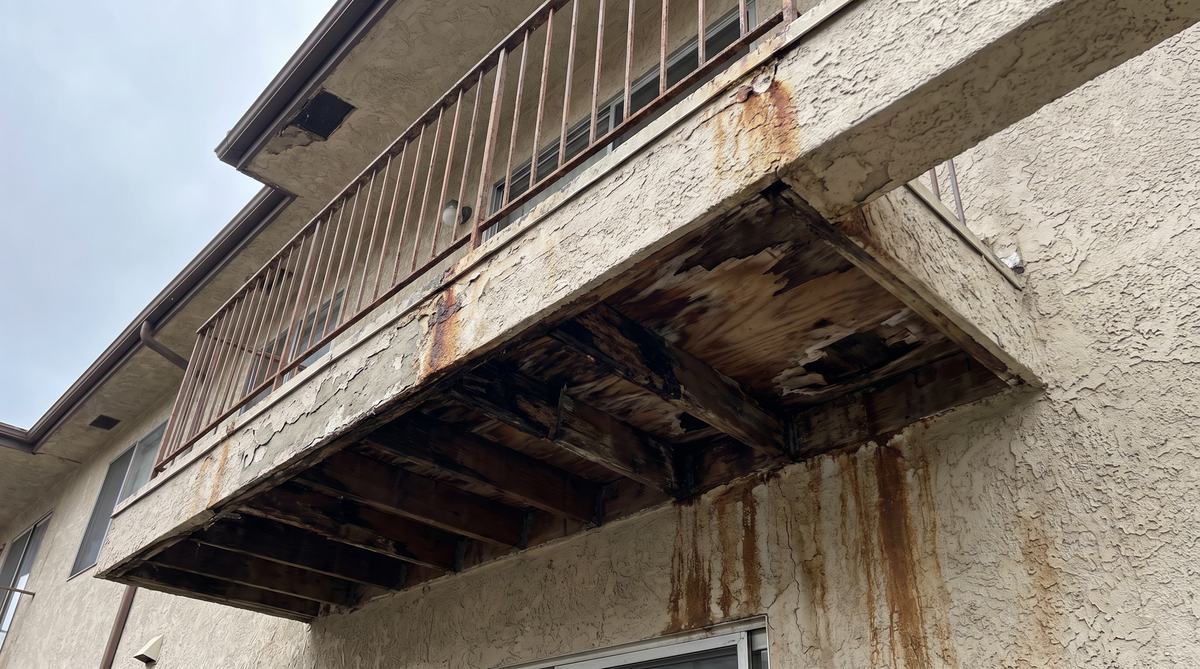
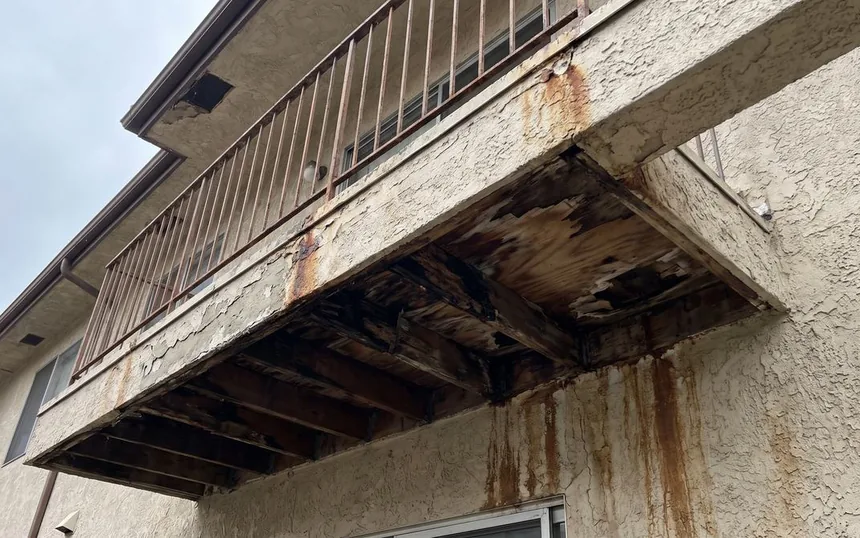
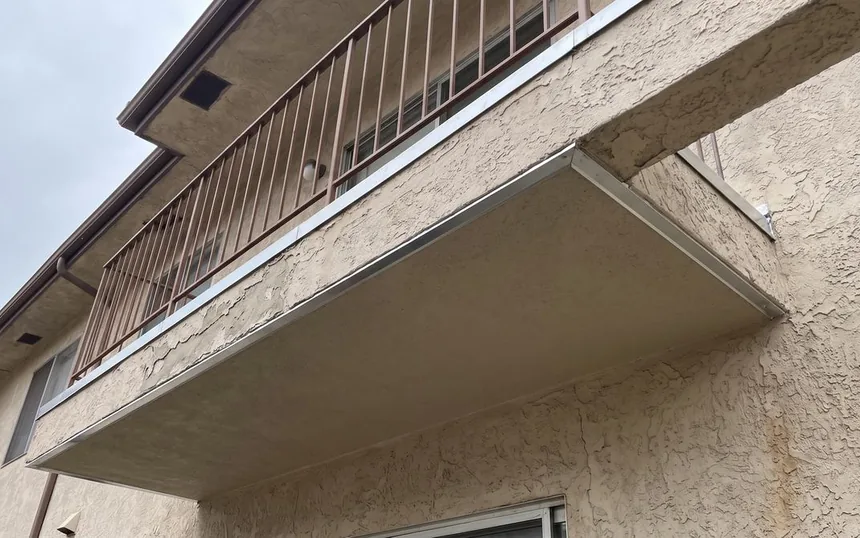
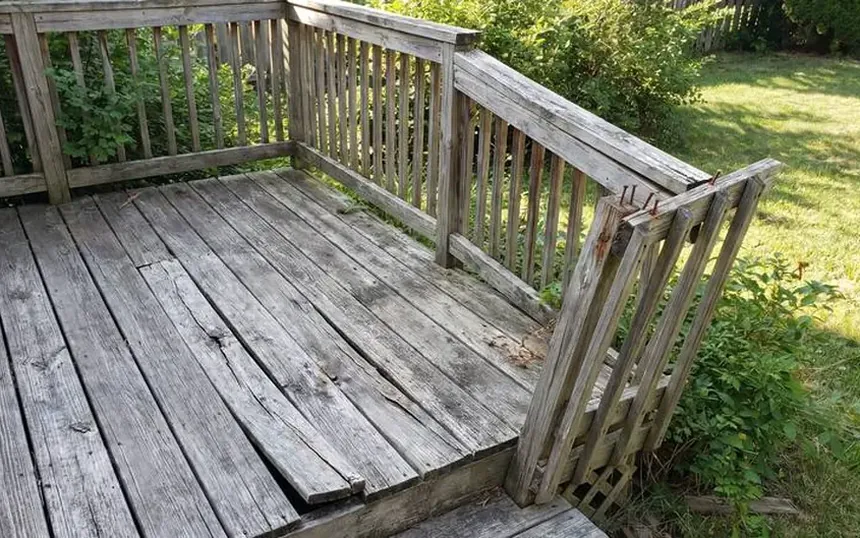
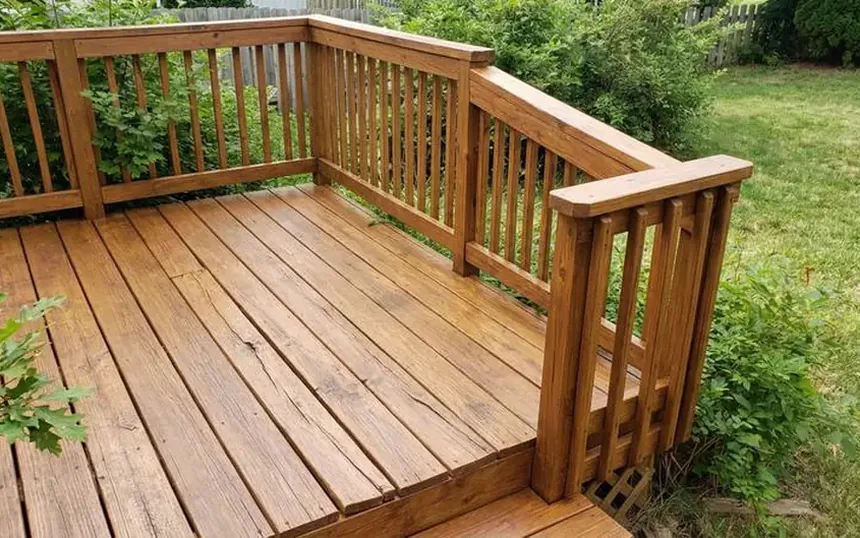
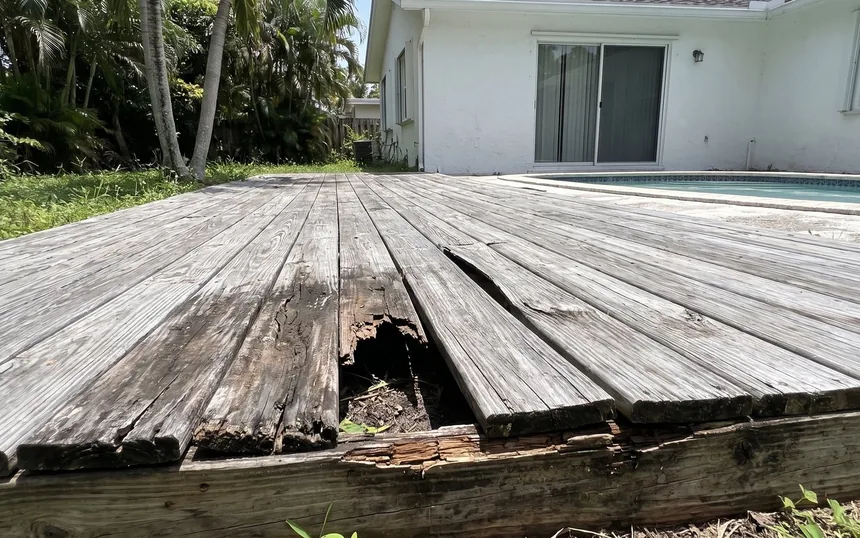
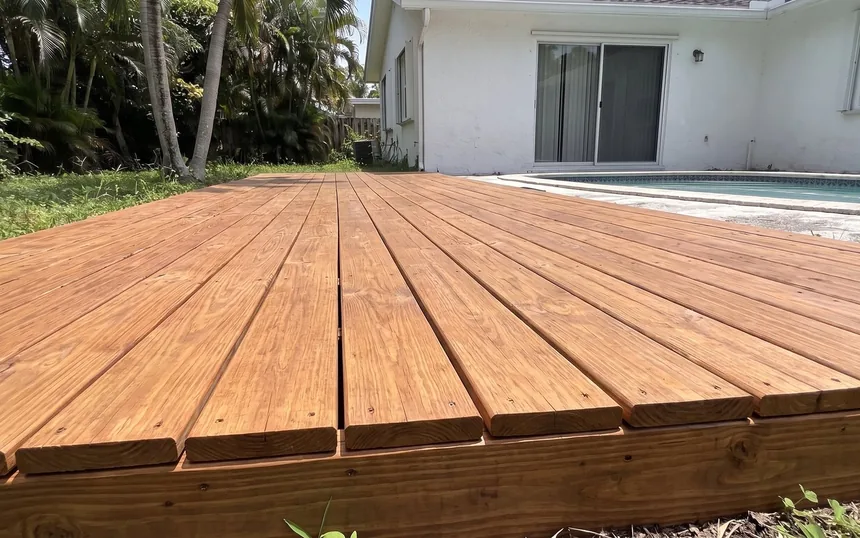
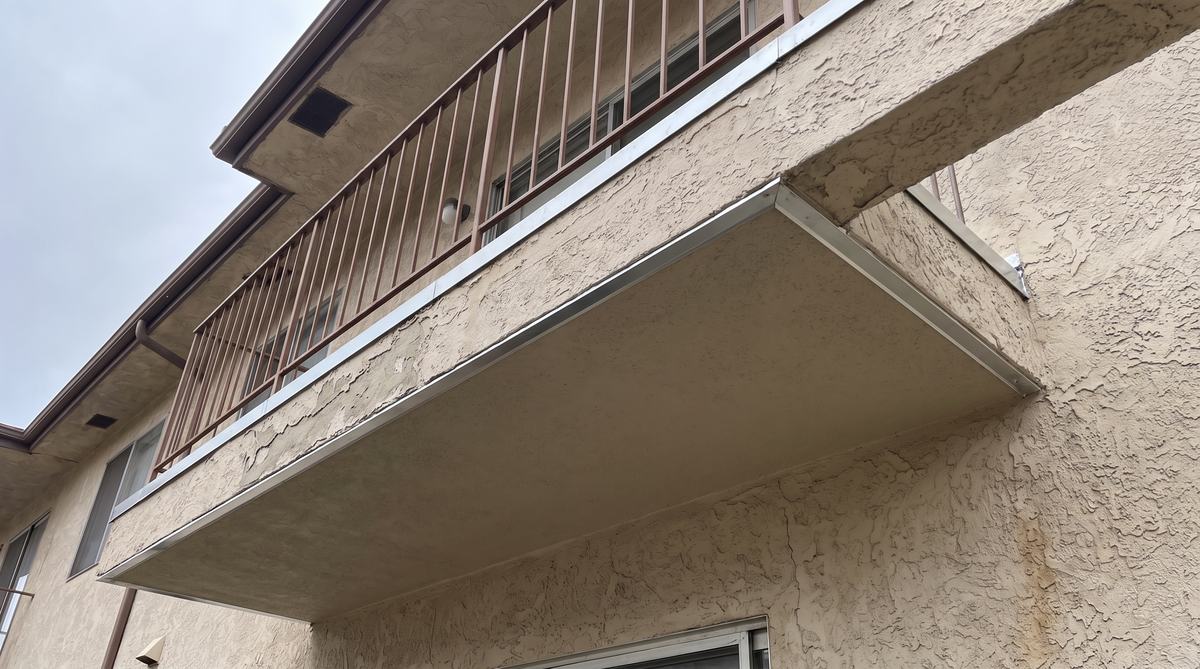 AFTERBEFOREThe SB 721 Inspection
 The Stamped ReportDry Rot & Framing
 Waterproofing & Coating
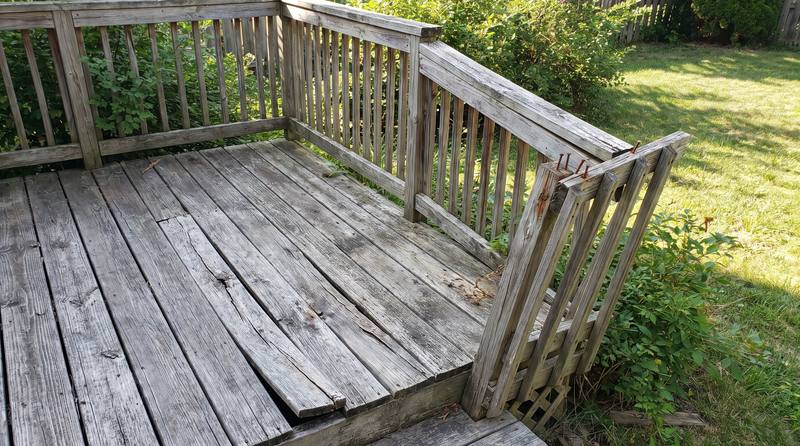 Railings & Guards
 Stairs & Walkways
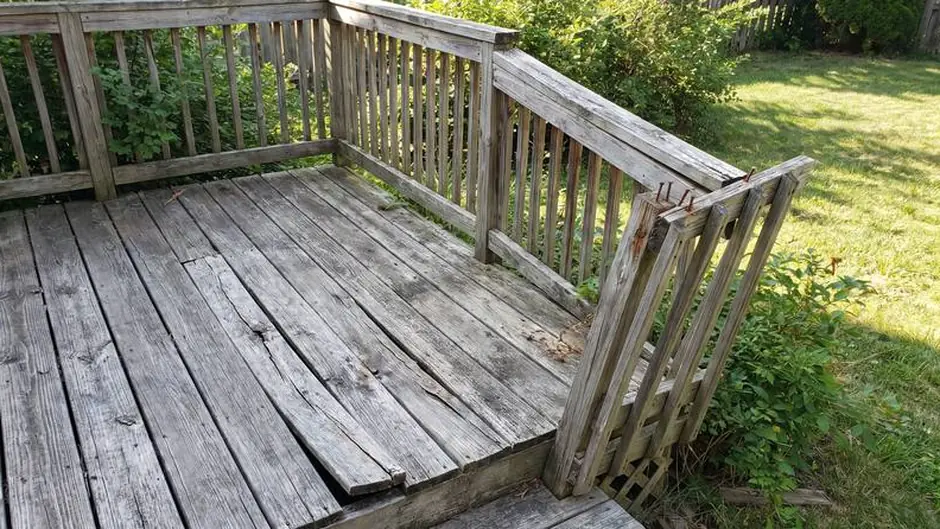 Emergency Shoring
 Re-inspection & Close-out
All six are the calls the Wilshire office takes from owners and managers on the south side. The inspection goes on the calendar within days, the report comes back with a written scope and a permit plan, and anything the inspector tags as an immediate threat is closed and shored before the paperwork.

Tell us the street, how many units, and whether the building has balconies, an open stair, a gallery walkway or all three. The inspection is priced on that call, in writing.

Kaminskiy Design & Remodeling inspects the sample, photographs every element, and delivers the signed report inside the 45 days the law allows.

Kaminskiy Care and Repair prices each finding, files the permit with Building and Safety within the 120-day window, and finishes the work for the final.
Every job is backed in writing by our workmanship warranty and done by a Kaminskiy-certified, background checked technician.
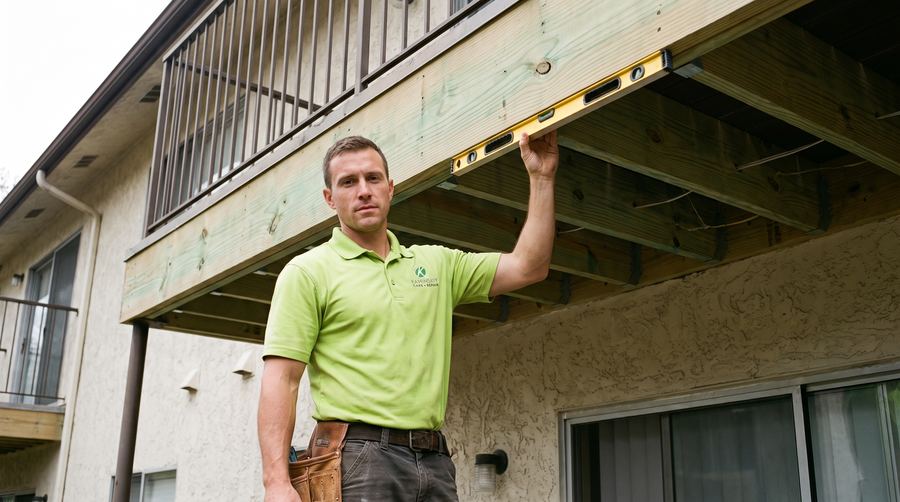
The paint and the stucco are not the question; the cantilevered joists that run through the wall and carry the balcony are. On a 1960s walk-up the joist ends sit behind a closed stucco soffit, so the inspector reads them with a moisture meter, a borescope through a small opening, or infrared, and looks at the flashing, the membrane and the guardrail anchors the same way. Rot shows up last at the surface and first where the balcony meets the building.
SB 721 (Health and Safety Code 17973) is the apartment law: three or more rental units, a first inspection that was due January 1, 2026, and a repeat every six years. SB 326 (Civil Code 5551) is the condominium law: a first inspection due January 1, 2025, a repeat every nine years with the reserve study, and an inspector who must be a licensed structural or civil engineer or an architect. A south-side building that was converted to condos follows SB 326; the walk-up next door follows SB 721.
An immediate threat means the element is closed off and shored at once and Building and Safety hears about it within 15 days. Every other finding runs on two 120-day windows: one to apply for the permit, one to finish the repairs once it is issued. In Beverly Hills the stamped report goes in with that permit application, and a tenant-occupied building needs its Means and Method Plan approved before the permit is released, so the paperwork starts the week the report lands.
A soft joist end at one balcony is cut back and sistered. A ledger that has gone across several units, or cantilevers rotted back into the wall, means those balconies are rebuilt from the framing out, with the waterproofing redone over the whole surface rather than patched. The re-inspection and the City final both expect the full membrane, and so does the next inspector six years on.
Beverly Hills is a renter city in the flats: about 59 percent of its homes are rented, more than 8,400 of its roughly 16,400 units are in buildings of five or more, over 90 percent were built before 1990, and about 7,700 units are rent-stabilized. Nearly all of that stock sits south of Santa Monica Boulevard, and that is where SB 721 and SB 326 do their work.
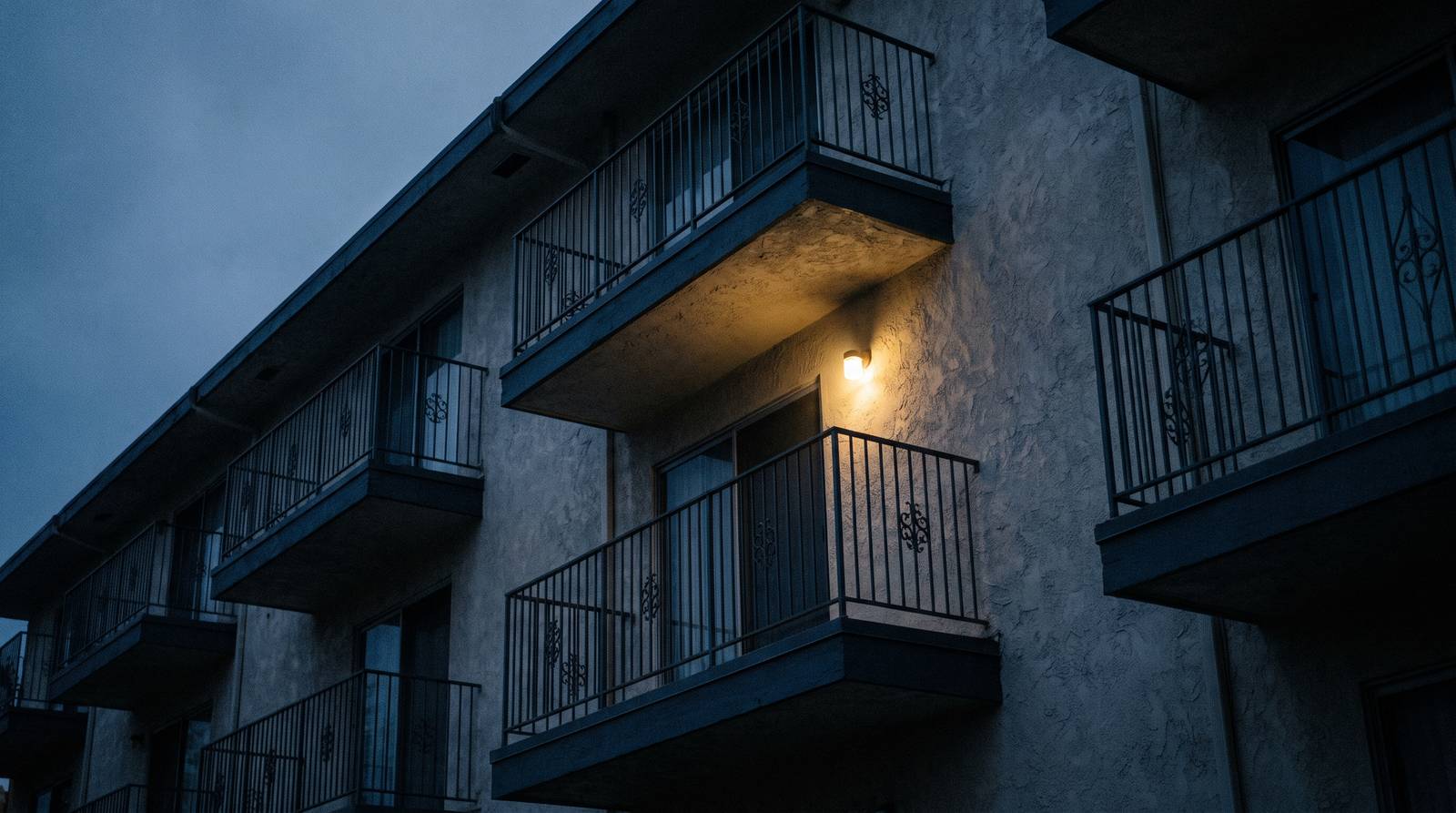
Two- and three-story stucco walk-ups from the 1950s through the 1970s, many with the tuck-under parking that put them in the City's mandatory soft-story program after 2019, and most of them rent-stabilized. Their balconies are cantilevered joists through the front wall under a closed stucco soffit, and the stair to the second floor is an open wood run. The finding we see most is rot at the joist ends behind a soffit that looks fine from the sidewalk, with a guardrail anchored into it. The repair is new joist ends and a flashed ledger, a new membrane, and the rail re-set into sound wood, scheduled around the tenants and the Means and Method Plan.
Larger 1960s to 1980s apartment and condominium buildings around a courtyard or a pool, with gallery walkways and open stair towers serving every unit and a garage beneath. Walkways and stairs are exterior elevated elements with more traffic than any balcony: the coating wears through at the unit doors, a blocked scupper leaves standing water after the winter rain, and the stringer feet rot at the landings. A condominium building here is under SB 326 and brings us the engineer's report; an apartment building is under SB 721 and we inspect it ourselves.
A concrete tower is outside the wood test in the statute; a wood-framed building over a concrete podium, which is most of what went up on these streets from the 1980s to the 2000s, is inside it. The condo stacks with penthouse floors on Palm, Swall and Gale are SB 326 buildings, inspected by an engineer or an architect, repaired by us. Across the city line the same walk-ups answer to West Hollywood Building and Safety or to the Los Angeles Department of Building and Safety, whose own bulletin on exterior elevated elements took effect January 1, 2026; our Wilshire crew works both sides of the line.
Three or more rental units under one roof puts the building under SB 721: inspection due January 1, 2026 and every six years after. A condominium project of three or more units is under SB 326 instead: inspection due January 1, 2025, every nine years after, by a licensed structural or civil engineer or an architect. A Beverly Hills duplex, and there are hundreds south of Wilshire, is outside both, though its balcony rots the same way. A building whose certificate of occupancy came on or after January 1, 2019 is inspected within six years of that date. Not sure which you own? Give us the address.
The inspector lists each type of exterior elevated element the building has (front balconies, rear decks, the open stair, the gallery walkway, the entry porch) and inspects at least 15 percent of each type by direct visual examination or a comparable method: the walking surface, the coating and flashing, the guardrail and its anchors, and the framing beneath, opened at the soffit or read with a moisture meter where it is closed. The report records the condition of each element, its expected remaining life, whether more testing is needed, and whether anything is an immediate threat.
Health and Safety Code 17973 allows four kinds of inspector: a licensed architect, a licensed civil or structural engineer, a general contractor holding an A, B or C-5 license with at least five years as a license holder constructing multistory wood-frame buildings, or an individual certified as a building inspector or building official. None may be employed by the City while inspecting. In Beverly Hills the inspection is performed by Kaminskiy Design & Remodeling, our sister company, a B general building contractor since 2008 (CSLB #922807), and the repairs by Kaminskiy Care and Repair (CSLB #1106209).
The inspection is one flat number per building, set on the first call from the count of elements, the number of types, and whether the framing can be reached from a soffit or needs an opening. Repairs are priced from the report, one written line per finding: a sistered joist end and a membrane patch at one balcony is a small line, four rebuilt cantilevers with new rails on a front elevation is a larger one, and every line is in front of you before a date is set. No markup on a percentage, no surprise at the building.
We confirm SB 721 or SB 326, count the element types from the street and any plans on file, and send the inspection price in writing the same call.
Tenants get written notice, the sample is inspected from the walking surface and from the garage or the soffit below, closed framing is read with a moisture meter or opened at one spot, and every element is photographed.
A signed and stamped report with photos, findings, remaining-life estimates and a repair list, plus the 15-day notice to Building and Safety if anything is an immediate threat. Usually in your inbox well before the deadline.
A written scope per finding, the permit application filed with the report attached, the Means and Method Plan for a tenant-occupied building, shoring first where it is needed, the repairs inside the permit window, and the completion report for your file.
Health and Safety Code 17973(a) names the qualified inspectors: a licensed architect, a licensed civil or structural engineer, a general contractor with an A, B or C-5 license and five years' experience as a license holder in multistory wood-frame construction, or a certified building inspector. Subsection (g) requires the repairs to be made by a qualified and licensed contractor to the inspector's recommendations, the Building Standards Code and the City's rules; nothing in the section stops the inspecting company from doing them. The owner contracts the inspection directly with Kaminskiy Design & Remodeling, as the statute requires, and the repairs separately with Kaminskiy Care and Repair, so the report stands on its own if you bid the work elsewhere.
Beverly Hills is one of the California cities that publishes its own Exterior Elevated Elements page: the Community Development Department's Building and Safety Division publishes it, routes questions and immediate-threat reports to the Code Enforcement Division, and asks that the signed and stamped report be submitted with the permit application for the repairs the Building Official determines are required. The repair itself takes a Building and Safety building permit; a structural balcony or stair repair goes through plan review rather than the walk-in counter, and a tenant-occupied building needs a Means and Method Plan approved by the Rent Stabilization Division before the permit is released. The City's February 2026 permit list already carries balcony repairs filed against SB 721 reports, so the route is proven. An immediate threat is reported within 15 days.
The first inspection was due January 1, 2026 (AB 2579 pushed it back a year) and repeats every six years. After a report the owner has 120 days to apply for the permit and 120 days from the permit to finish. If the repairs are still open 180 days after the report, the inspector notifies the City, which sends a 30-day corrective notice; after that a civil penalty of one hundred to five hundred dollars per day runs until the work is done, the City may recover its enforcement costs, and a building safety lien can follow. Reports are kept for two inspection cycles and go to the buyer when the building sells.
Our office is on Wilshire, inside the city. The crew starts the day at 8383 Wilshire Boulevard, a few blocks from the buildings this page is about, and covers Beverly Hills, West Hollywood, Westwood, Bel Air and the Hollywood Hills. Call 310-928-6211, text a photo of the letter or the balcony, or send the form, and we answer in under three rings. The numbers since 2023: 65 repair visits, 33 Beverly Hills homes.
Can't find your answer? Call 310-928-6211 and ask us anything.
Call 310-928-6211It is the inspection California requires of the exterior elevated elements on apartment buildings with three or more units: balconies, decks, porches, stairways, walkways and entry structures that stand more than six feet above grade and rely substantially on wood, with their railings and waterproofing. A qualified inspector identifies every element type, inspects at least 15 percent of each, and issues a signed and stamped report with photos within 45 days. In Beverly Hills the Building and Safety Division's Exterior Elevated Elements page restates the rule and asks for that report with the repair permit. The first inspection was due January 1, 2026 and it repeats every six years.
Health and Safety Code 17973 allows four: a licensed architect, a licensed civil or structural engineer, a general contractor holding an A, B or C-5 license with at least five years as a license holder constructing multistory wood-frame buildings, or an individual certified as a building inspector or building official. The inspector may not be a City employee while inspecting. In Beverly Hills the inspection is performed by Kaminskiy Design & Remodeling, our sister company, a B general building contractor since 2008 (CSLB #922807); Kaminskiy Care and Repair does the repairs.
Yes, as two licensed companies in one group: Kaminskiy Design & Remodeling inspects and stamps the report, Kaminskiy Care and Repair repairs under its own license and its own contract. The statute does not bar the inspector from performing the work; it requires a qualified and licensed contractor working to the inspector's recommendations, the Building Standards Code and the City's requirements. Because every finding is photographed and described, you can take the report to another contractor for bids, and it reads the same either way.
One flat number per building, set on the call from the element count, the number of types, and whether the framing can be reached from the garage or a soffit or needs an opening, so a four-unit walk-up on Maple and a thirty-unit courtyard on Burton Way are different numbers. Repairs are priced per finding from the report, in writing, before a date is set. Call 310-928-6211 with the address and the inspection is quoted on the call.
Book the inspection now and keep the booking confirmation in the file. The daily penalty in the statute attaches to repairs left undone after a report and a 30-day notice, not to the booking date, and Code Enforcement would far rather see an owner moving than one waiting for a letter. If the inspection turns up an immediate threat, that balcony or stair is closed the same afternoon and reported to the City within 15 days; everything else goes on the 120-day permit clock.
For a condominium project the association is responsible for the inspection under SB 326 and, under most CC&Rs, for the repair of the structural framing and waterproofing it maintains, with exclusive-use balconies split as the governing documents say. The inspection must be done by a licensed structural or civil engineer or an architect; on the Beverly Hills condo stacks we take that report, price the repairs per finding, phase them so residents keep their access, and document them for the reserve study.
The inspection usually goes on the calendar within days of the call and the stamped report is back well inside the 45 days the law allows. Repairs run on the statute's clock: a written scope per finding, the permit application with the report attached inside 120 days, the Means and Method Plan for a tenant-occupied building, and the work inside 120 days of the permit. Shoring and the closure of an immediate-threat element come first, on the day it is found.
All of Beverly Hills from the Wilshire office, the south-side flats, the blocks between Wilshire and Santa Monica Boulevard, Burton Way, Trousdale and the canyons, plus West Hollywood, Beverly Grove, Pico-Robertson, Mid-Wilshire, Century City, Westwood, Bel Air, Holmby Hills and the Hollywood Hills. Call 310-928-6211 with the building's address and we confirm it on the call.
Send the address, the unit count and whether a report already exists. We'll call back with a price and a date. Calling is still the fastest way: 310-928-6211.
A licensed inspection, a stamped report inside 45 days, and every repair it calls out, from one Kaminskiy group on Wilshire.
We answer in under three rings, 24/7.No price games. You get a clear written quote before any work begins, backed by our workmanship warranty.