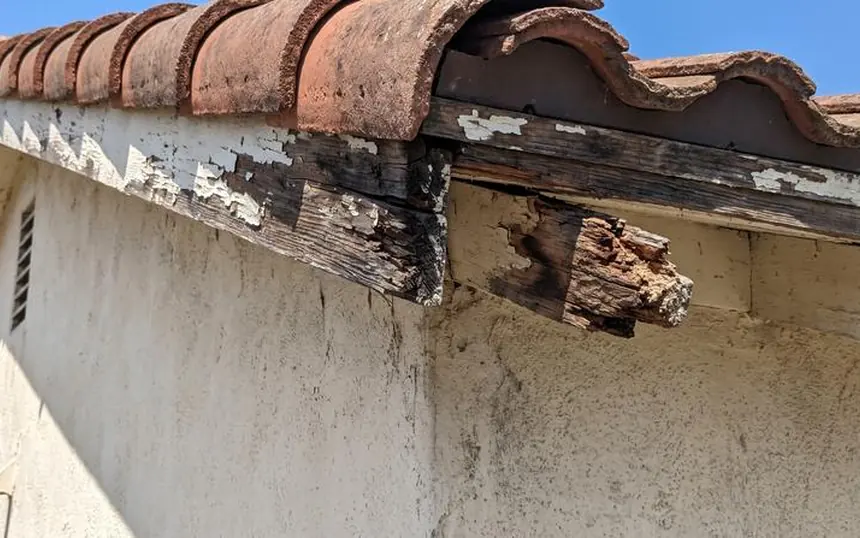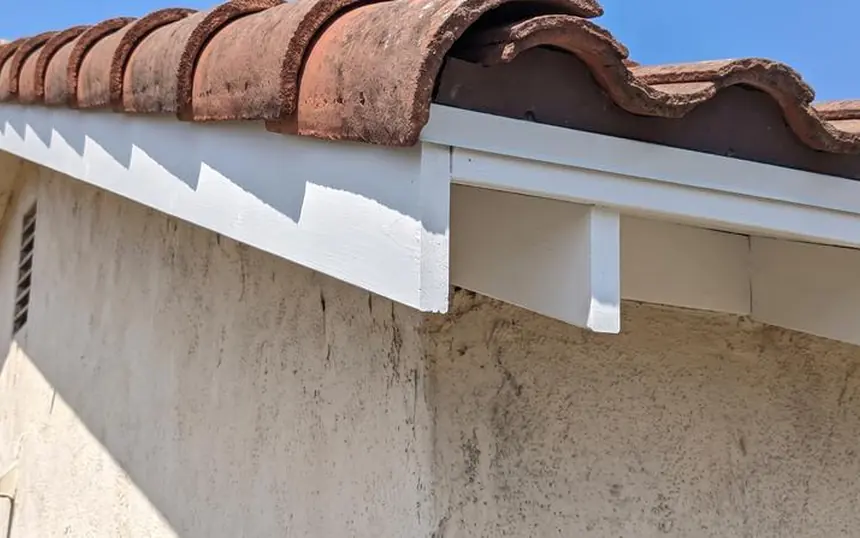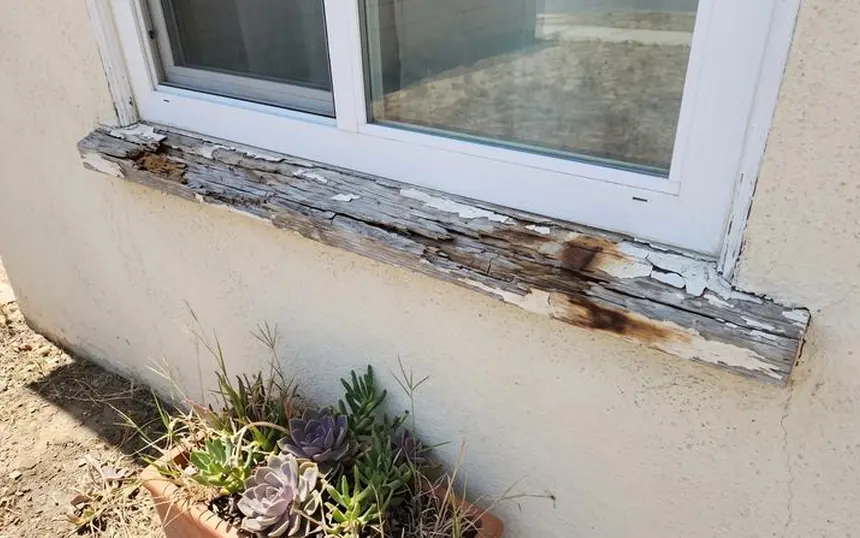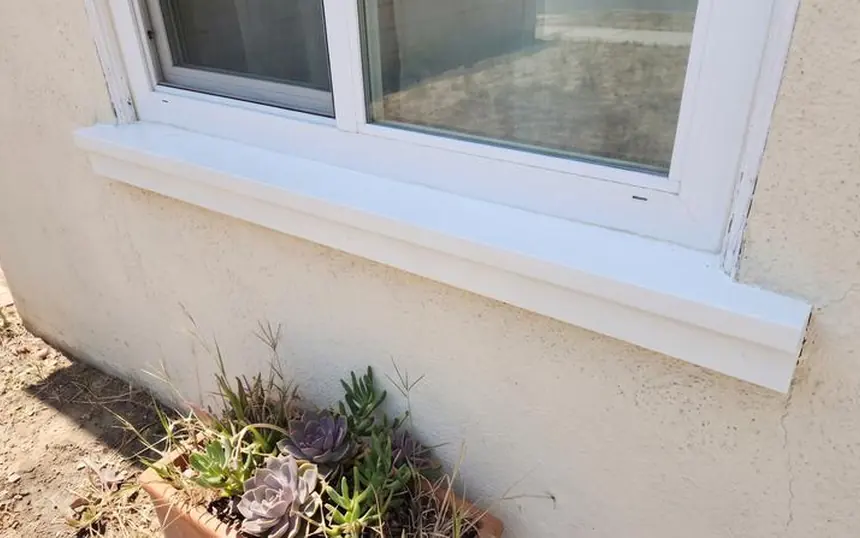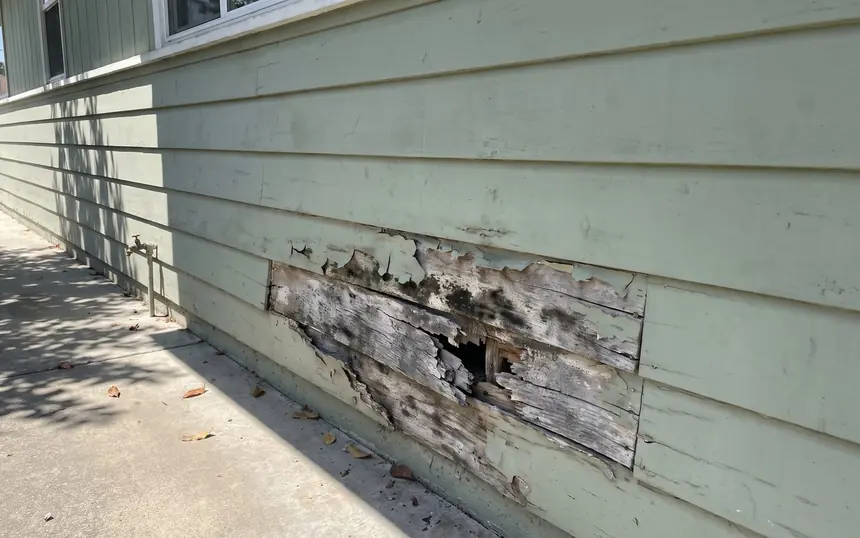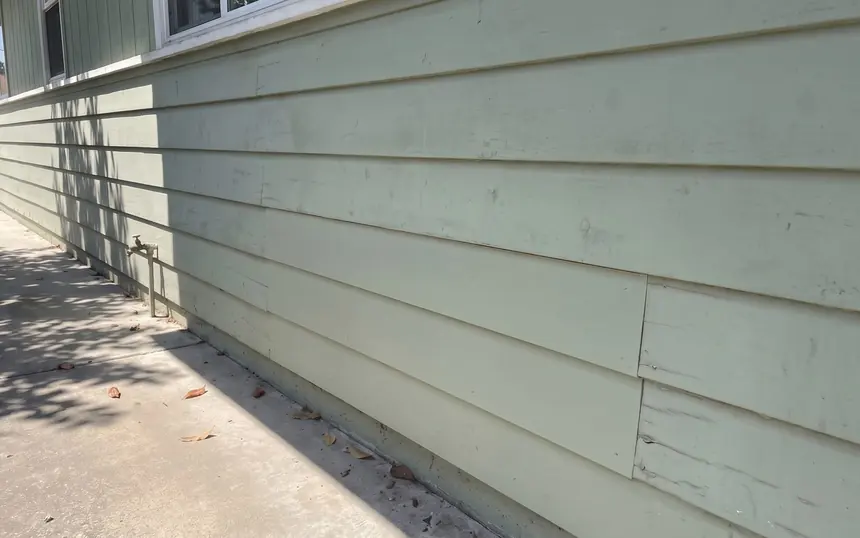
Wood-sash sills, fascia, mid-century beam ends, trim and deck boards cut out and rebuilt with sound wood, finished to match. Priced in writing before we start.
 BBBAccredited Business
Kaminskiy Care and Repair rebuilds rotted and termite-damaged wood on Beverly Hills homes from an office on Wilshire Boulevard itself: the wood-sash sills and fascia on the 1920s Spanish and Tudor houses in the flats, the beam ends and fascia on the mid-century post-and-beam homes in Trousdale, the deck boards and railings on the canyon streets. Each is cut back to sound wood, rebuilt to the same profile, primed, painted and sealed, with the sprinkler head or the gutter end that caused it corrected. The pest company treats; we rebuild what the termites ate. You get the scope and the price in writing before anything starts. Since 2023 the crew has made 65 repair visits to 33 Beverly Hills homes.
 Eight repairs, one crew, priced in writing before we start.
Two kinds of house, two kinds of rot: in the flats the 1920s wood sash and the eaves soak under daily irrigation; in Trousdale the mid-century beam ends and flat fascias bake in the sun until the paint checks and the rain gets in. We cut back to sound wood, rebuild, prime and paint, and close the gap the water used.
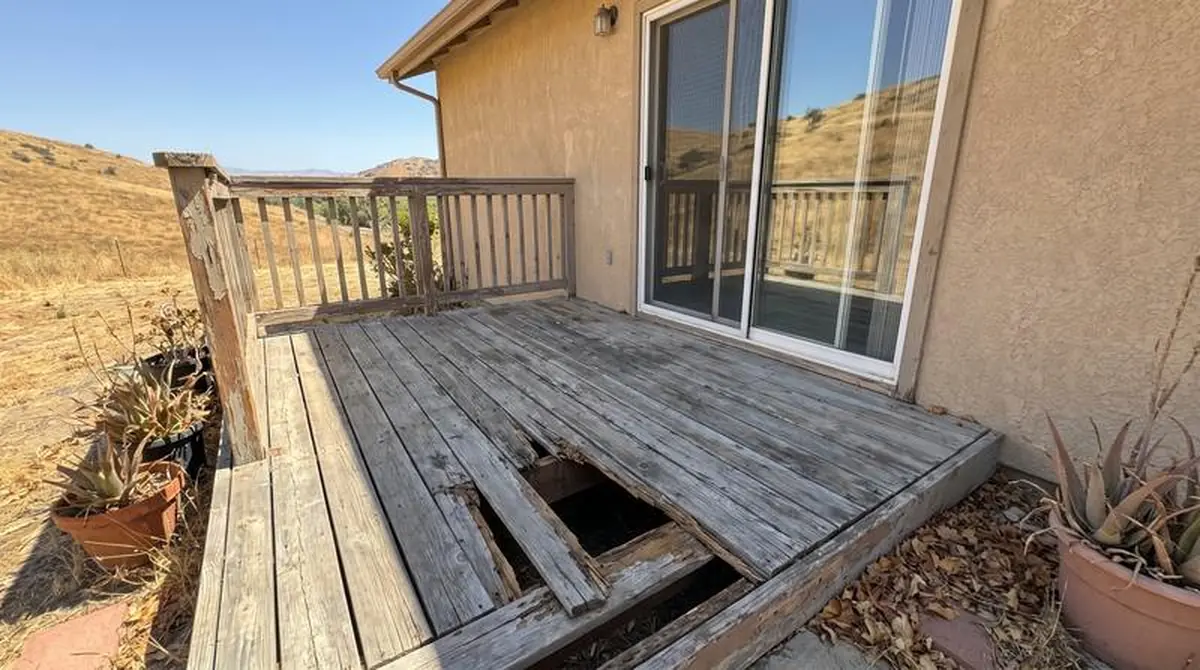
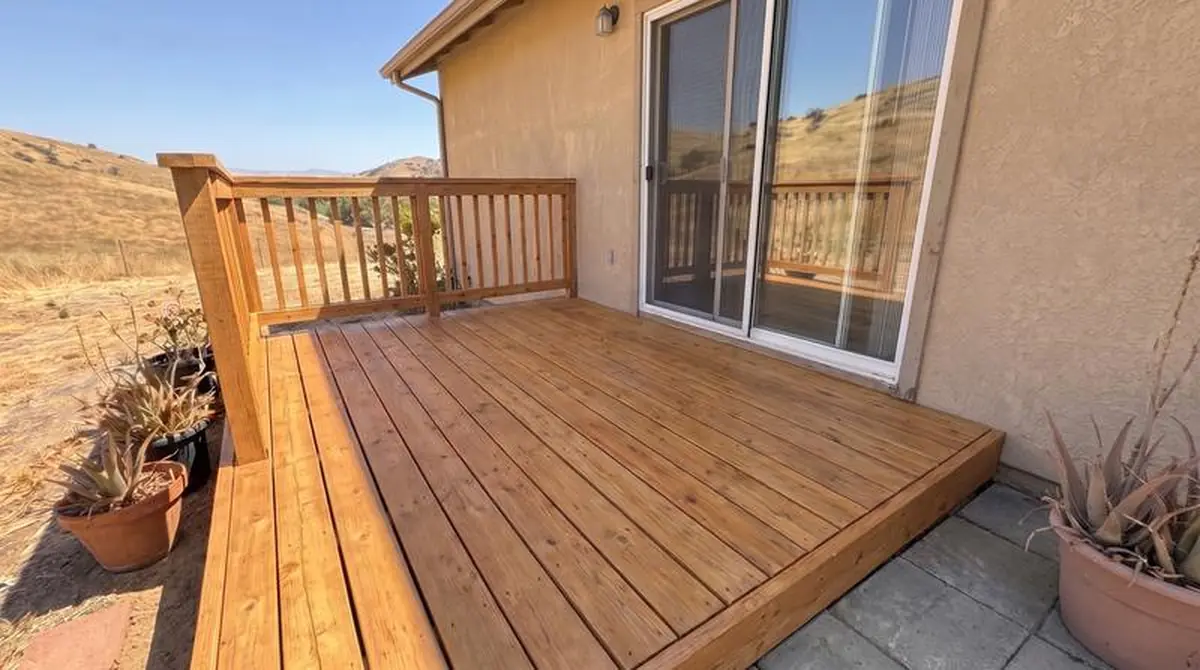 AFTERBEFORE
 Fascia & Eaves
 Window Sills
 Door Jambs & Casings
 Trim & Siding
 Termite Damage Rebuilds
 Deck Boards & Railings
 Stairs & Posts
 Primed, Painted & Sealed
The office is on Wilshire, so a technician can look the same week and price it in writing. A single sill, fascia board or beam end is priced on the call; a longer list on a larger house gets a written scope after a walk.

We answer in under three rings and get you priced and scheduled in minutes.

A clear, written quote with upfront pricing. You approve before work begins.

Kaminskiy-certified pros finish the job with a workmanship warranty.
Every rot and termite damage repair carries our one-year workmanship warranty, in writing, and is done by a Kaminskiy-certified, background checked technician.
Irrigation in the flats, sun in the hills. The gardens between Santa Monica and Sunset are watered every morning and the hedges hold the damp against the eaves and the wood windows, so the sill corners and the fascia go first on houses that are otherwise immaculate. Up in Trousdale and the canyons the post-and-beam homes of the 1950s and 1960s have beam ends and flat fascias open to the sun, and once the paint checks the winter rain runs straight into the end grain. We look at the garden side in the flats and the sunny side in the hills.
Drywood termites live inside dry fascia and beam ends, need no soil, swarm in late summer and fall, and leave hard six-sided pellets under a pinhole that is easy to miss on a well-kept house. Subterranean termites come up in mud tubes where stucco or a post meets the irrigated ground. A licensed pest company treats whichever it is; we rebuild the wood after, scheduled so the eave opens once.
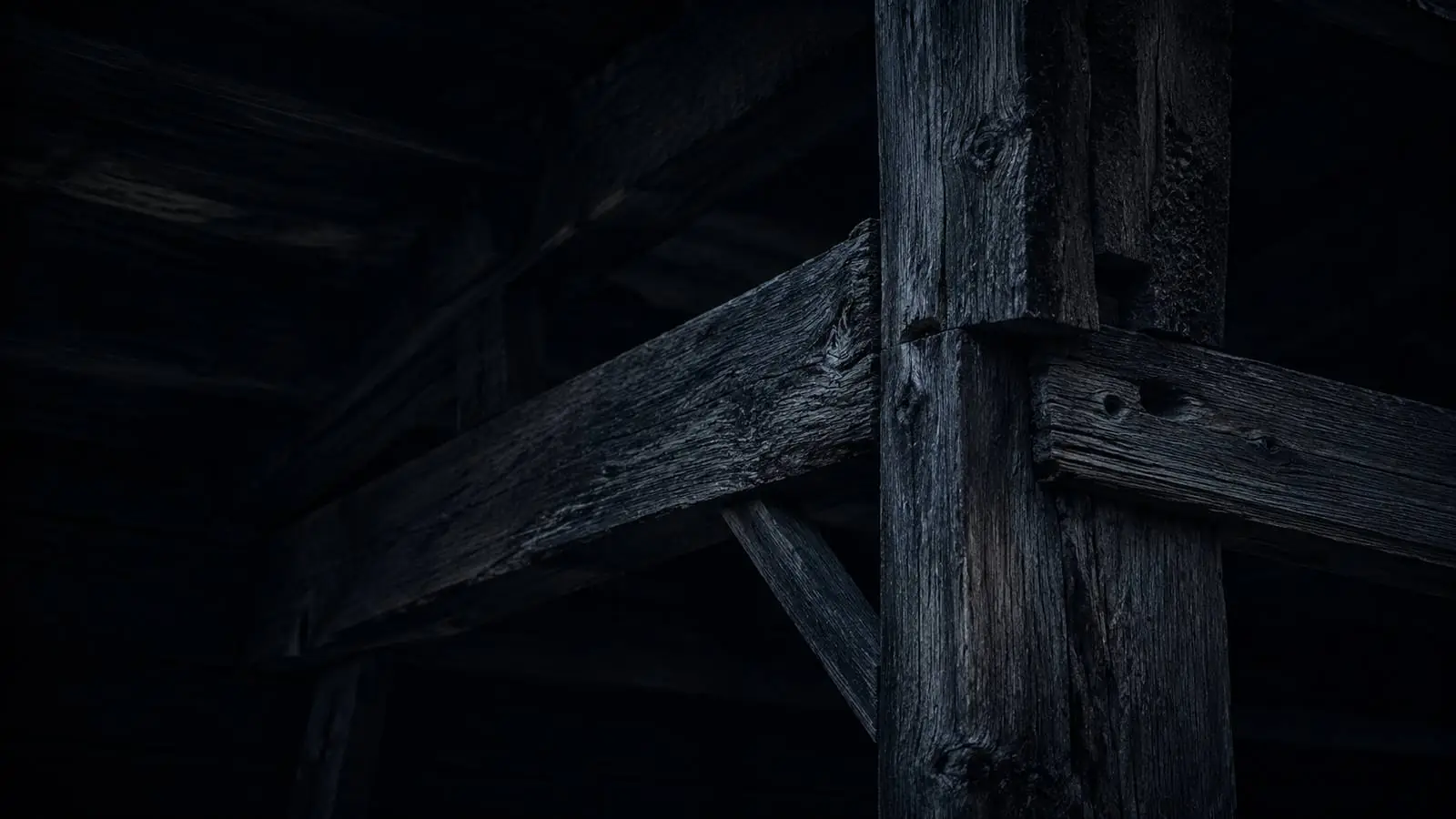
On a post-and-beam house the beam end is architecture, and filler and paint hide the rot for a season while it moves toward the part of the beam that carries the roof. We cut the end back to sound wood, splice in new material to the same profile, prime every face and paint it to match. If the rot has reached the bearing, we say so first and tell you who needs to look at it.
Have the irrigation set so no head touches the house, keep the hedges off the eaves and the windows, recaulk the sill-to-stucco joint when the line opens, and have the sunny walls in the hills repainted before they peel rather than after. On a mid-century house the paint on the beam ends is the whole defense.
1920s and 1930s Spanish, Tudor and Colonial homes with wood-sash windows, shutters, exposed rafter tails and long eaves, and gardens watered daily. The sill corners and the eave above the hedge go first, and drywood termites take the dry rafter tails. We rebuild sills to shed water, splice the tails to the same profile and match the finish.
Smaller 1920s to 1940s homes and duplexes on tighter lots, with wood windows, fascia and door frames on their original paint schedule. The fascia behind the gutters and the bottoms of the jambs at the slab go first, and a lot of these homes change hands, so the termite report drives the work: we repair the Section 1 items and the pest company reinspects.
Mid-century post-and-beam homes with beam ends, flat fascias and decks open to the sun, and canyon lots in shade below them. The paint checks on the beam ends, the rain follows it in, and on the canyon floors the post bases and the jamb bottoms stay damp. We rebuild beam ends and fascia where they stand and name a bearing problem before anyone opens a wall.
Our office on Wilshire covers the whole basin; the Los Angeles dry rot and wood rot repair page has the city-wide picture, the City of Los Angeles permit rule and the termite report in plain words.
A fascia board, a sill or a trim piece is priced on the call, in writing. A bigger rebuild gets a look first and a written price before anything starts.
We cut back to sound wood and probe how far the rot really goes. If it runs further than the photo showed, you hear it before we go further, with the price.
New wood primed on all sides, caulked, painted to match, and the water path that caused it fixed: the drip edge, the flashing, the gutter end, the sprinkler.
The work area is cleaned before we leave, and every rot repair carries our one-year workmanship warranty.
Beverly Hills keeps its own list of work exempt from a permit (Municipal Code 9-1-107) and builds to the California codes with its own amendments. The state residential code needs no application for ordinary repairs to a structure and exempts painting and similar finish work, which is where a rebuilt sill, a fascia board or a beam end splice falls; it draws the line at cutting a structural beam or a load-bearing support, and rot that deep gets a permit and an engineer. The city's list is strict and we check it before a bigger job rather than guess.
Escrow in Beverly Hills runs on the termite report from a licensed structural pest control company: Section 1 is the active infestation and the damage from it, Section 2 the conditions that invite it. The pest company treats and certifies. The sills, fascia, door frames and beam ends on that list are our work, reinspected by the company when it is done. Email the report with the address and the repairs come back priced, in writing.
Beverly Hills has its own Historic Preservation Ordinance: a landmark, or a contributing house in a historic district, needs a Certificate of Appropriateness for an exterior change. A rot repair that keeps the profile, the material and the finish is what the ordinance is there to protect, and we photograph before and after so the file shows it; a changed detail on a landmark's street face goes to the city's preservation staff first, and we say so on the call.
Can't find your answer? Call 310-928-6211 and ask us anything.
Call 310-928-6211Our office is on Wilshire, so a technician can usually look this week. A sill, a fascia board or a beam end is priced on the call, in writing, and scheduled within days; a long list on a larger house is sized after a walk.
Yes, after a licensed pest company has treated. We cut out the eaten rafter tails, fascia, trim and the framing we can reach, rebuild to the same profile and paint; the treatment and the report are the pest company's.
A beam end splice, a fascia run, a deck board or a sill is carpentry, and Kaminskiy is licensed, bonded and insured. The one thing we will not do is open a beam that carries the roof without telling you first what it needs and who should look at it.
The profile it has to match sets more of the price here than anywhere: a plain fascia board and a milled 1920s sill are not the same visit. Then the reach once the wood is opened, and the height. Text a photo and the price is in writing before anything is scheduled.
Yes. A repair that keeps the profile, the material and the finish is maintenance of the thing the ordinance protects, and we document it. Anything that changes the street face of a landmark goes to the city's preservation staff before we start, and we tell you that on the call.
Beverly Hills keeps its own exempt-work list and we check it rather than quote it. The state code it builds to needs no application for an ordinary repair or finish work, which covers a rebuilt sill or a fascia board; rot that reaches a structural beam or a load-bearing support is past that line and gets a permit and an engineer, which we tell you on the call.
All of Beverly Hills from our office on Wilshire Boulevard, including the flats north and south, Trousdale Estates and the canyon streets, plus Bel Air, Holmby Hills, West Hollywood, Westwood, Century City and the Hollywood Hills. Call 310-928-6211 to confirm your address.
Tell us where the wood has gone soft, or text us a photo. We'll call you back with a price and a time. Calling is still the fastest way: 310-928-6211.
Priced in writing before we start. Kaminskiy-certified technicians. A one-year workmanship warranty on every job.
We answer in under three rings, 24/7.No price games. You get a clear written quote before any work begins, backed by our workmanship warranty.