 BBBAccredited Business

Kaminskiy Care and Repair repairs water damage and mold damage on drywall, ceilings, trim and cabinets: the leak confirmed stopped, wet material removed, the area dried and treated, then rebuilt and painted to match. Large scale remediation and air testing are referred to a licensed specialist, and we handle the rebuild after. We serve Westwood and the surrounding California communities.
Fifteen minutes down Wilshire from our office. The unit above, the old galvanized line and the hillside roof lead the Westwood list.
Westwood gets wet from three directions. On the Wilshire Corridor the water comes from above: a tub overflow or a supply line two floors up, a fan coil drain that clogged, a balcony door that leaks in a storm. In the flats and the hills it comes from inside the wall, where a 1930s galvanized line has corroded shut and weeps into the plaster. We trace the route, have the licensed plumber or roofer close it, cut back to dry framing and rebuild in kind.
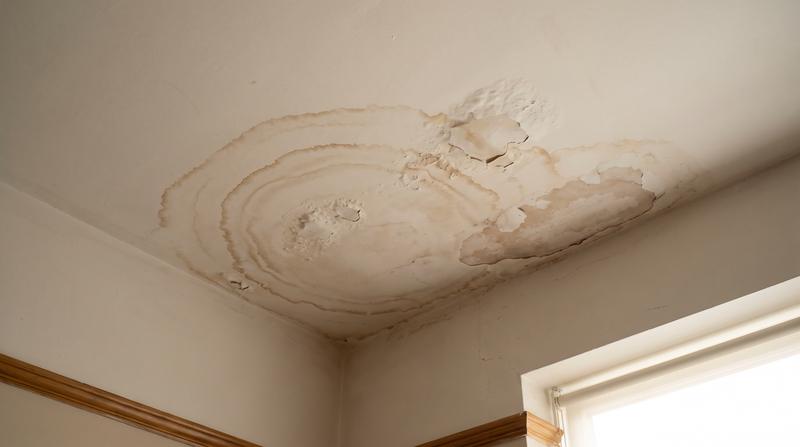
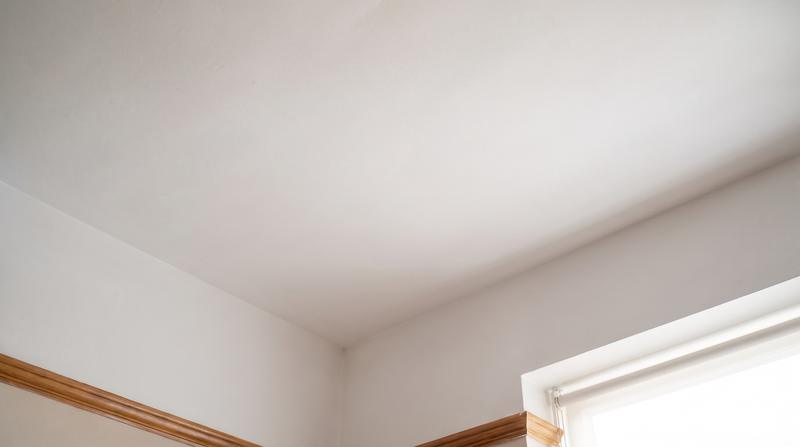 AFTERBEFORE
Every one of these is a dry-out and a rebuild for a Kaminskiy-certified technician dispatched from our Beverly Hills office. One call, one written scope, one crew for the tear-out, the plaster or drywall, the trim and the paint.

Priced and on the calendar during the first call.

A written quote you approve before anyone drives out.

One crew, the whole list, warranty in writing.
A one-year workmanship warranty, in writing, on every Westwood water damage repair.
Because nobody has found the water yet. In a Corridor tower the ring is fed by a drain two floors up that leaks only when the whole riser is in use at seven in the morning. In a 1930s house it is a galvanized line that weeps a little every time a tap opens. In the hills it is a valley that drains onto a wall only in a storm from the west. Paint over the ring is a cover, not a cure; the minerals ride through within weeks. We find the route first, in writing, have the right licensed trade close it, and meter the cavity dry before anything is sealed.
Plaster or drywall that is stained but firm, with nothing growing behind it, can be dried, sealed with a stain-blocking primer and refinished. Material that is soft, sagging or crumbling, or that stayed wet for more than a couple of days, comes out to sound edges with the insulation behind it and the baseboard or casing that swelled. Plaster with the keys broken off the lath comes out; plaster with a firm stain stays. A subfloor that went soft under a bath is replaced, and a joist that stays soft goes to the engineer first. The written scope says which, so the owner or the board approves a list, not a guess.
California licenses no mold remediation trade, so there is no state list to check; the state's guidance is to remove visible growth and fix the moisture behind it. A small surface patch on plaster, drywall, trim or grout we remove with the material and treat. Growth across a wall, inside a cavity, through more than one unit or in the ducts, and any home where someone has breathing trouble, goes to a remediation company with industry certification and containment, and the air or surface testing goes with it. We say so at the look, name who we trust, and rebuild after their clearance.
In a tower, know where your unit's shutoff is and have the fan coil drain cleared each spring. In a 1930s house, have the licensed plumber replace the last galvanized run before it closes on its own, and swap rubber washer hoses for braided steel. In the hills, clear the valleys and the gutters before November and move the sprinkler heads off the walls. In a rental, tell tenants to report a ring the week it appears, not the month. Most of the water damage we rebuild in Westwood came through two ceilings before anyone called.
Large 1920s and 1930s homes on big lots with plaster on wood lath, galvanized supply lines in the walls that were never replaced, long roofs with many valleys, and hillside lots where a winter storm sends water against the uphill wall. The line weeps inside the plaster for months before the bulge shows; the valley at the chimney stains the ceiling two rooms over; the uphill planter box soaks the wall behind it. We cut the plaster back to sound lath, dry the cavity and the framing, and rebuild with plaster or a drywall inlay finished to the same surface once the licensed plumber or roofer has stopped the source. A pre-1980 plaster sample is tested for asbestos before we cut.
Spanish, Traditional and ranch homes from the 1920s to the 1950s with wood-sash windows, plaster walls, raised floors with a crawl space under the older ones and a sprinkler head aimed at every wall. The sill corner rots and the storm comes in under it; a cast iron drain under the bath cracks and the subfloor goes soft; the sprinkler keeps the stucco wet until the drywall inside reads damp. We dry the wall and the crawl space below it, replace the subfloor where it failed, and rebuild the sill, the plaster and the trim to the profile the house has.
High-rise units with a fan coil in a closet, a stack behind the bathroom wall and a neighbor's tub overhead, and student rentals toward UCLA where the maintenance waits until summer. The water on your ceiling is usually someone else's: a supply line or an overflow upstairs, a condensate drain that clogged, a balcony door that leaks in a west wind. We meter the ceiling and the wall, write the scope with the source and the unit named so the board knows whose licensed plumber to send, then dry and rebuild your side to match. At a turnover we take out the wet cabinet floor and the swollen baseboard and have the unit painted before the lease starts.
Call 310-928-6211 or text a photo of the ring, the bulge or the soft floor, with the unit number if it is a building. You get a range on the call and a date for the look.
A technician meters the ceiling and the wall, follows the wet path to its high point, and writes the scope: the source and the unit it came from, what comes out, how long the drying runs, which licensed trade closes the leak, what goes back, and the price.
The licensed plumber or roofer closes the source first. We cut out the wet plaster or drywall, insulation and trim, dry the cavity to a meter reading, treat the framing, then rebuild, texture and paint in kind.
Dated photos, the meter log and the scope go in your file for the adjuster or the board. The debris leaves with us, and the one-year workmanship warranty is on the invoice.
In California a repair under a small set amount can be done without a license, but only if it needs no permit and no one is employed to do it; a water damage rebuild, plaster, drywall, insulation, trim and paint, is past that line, and a Corridor board wants the license on file anyway. Kaminskiy Care and Repair is a licensed California contractor (License #1106209), bonded and insured, with Kaminskiy-certified, background-checked technicians. The stack or the line is the licensed plumber's and the roof the licensed roofer's; we schedule them and do the tear-out, the drying and the rebuild around their work. Every job over the state's written-contract threshold is on paper before it starts.
Westwood is in the City of Los Angeles, where the Building Code asks for a permit to alter or repair a structure but needs none for painting and similar finish work or for regulated work under a small set value that does not affect structural stability. A patched ceiling or a sheet of drywall put back where it was usually falls under that small-value line; a room's worth of plaster, a subfloor or any joist the water softened does not, and we tell you at the look which one your job is and pull the permit when it needs one. The licensed plumber's replaced line and the licensed roofer's work carry their own permits. Westwood has no historic overlay zone, so the inside of the house is nobody's review but yours.
A burst line, a failed water heater, an overflow upstairs or a storm through a sound roof is the sudden kind of loss most policies cover; a drip the neighbor ignored for months and seepage usually are not, and the policies and the adjusters decide, not us. In a Corridor condominium California's common-interest law makes the association responsible for the common area and you for your unit unless the CC&Rs say otherwise, so the stack and the roof are usually the building's and the finishes inside your walls are yours, and the two policies meet at that line. We photograph the open ceiling, log the meter readings, keep the cut-out material until the adjuster has seen it and write the scope per unit; we do not adjust claims, which a public adjuster licensed by the Department of Insurance does.
Straight down Wilshire from our office. Your Westwood crew dispatches from our Beverly Hills office at 8383 Wilshire, fifteen minutes west along the boulevard, so a call here is usually on the calendar within days. Call 310-928-6211, text a photo, or send the form.
Can't find your answer? Call 310-928-6211 and ask us anything.
Call 310-928-6211No, that is a remediation company's trade, whatever this page's address says. We remove and treat a small surface spot on plaster, drywall, trim or framing as part of the rebuild and replace the material the water ruined. Growth across a wall, inside a cavity, through more than one unit or in the ducts, and any air or surface testing, go to a remediation company with industry certification and containment; California licenses none, so we name the companies we have rebuilt behind and come back when they clear it.
Nearly always, and in a building that is most of the job. A ring that grows when the neighbor showers is the unit above; one that grows when it rains is the roof or the balcony door; a bulge that grows a little every week is a line inside the wall. We meter the ceiling and the wall, follow the wet path to its high point and write the source and the unit in the scope, so the owner or the board knows whose licensed plumber or roofer to send before anything is closed.
Yes. A 1920s house above Sunset gets a plaster patch or a drywall inlay finished to the same hand-troweled surface; a Corridor tower gets the smooth or lightly textured finish the building has; a 1950s ranch in the flats gets its light texture back. We feather past the cut, prime with a stain blocker and paint corner to corner so there is no edge to find, and a pre-1980 plaster or popcorn ceiling gets a sample tested before we sand it.
It depends on how much got wet, for how long, and in a building how many units. A firm stain that needs drying, sealing and paint is a short visit; a plaster ceiling that comes down with its lath, or three units under one stack, is a few days with drying equipment in between. Text a photo and you get a range on the call; after the look, a written scope with the tear-out, the drying, the licensed trade and the rebuild priced before anything starts, so you or the board can approve all of it or part.
Often, when the water was sudden: a burst supply line, a failed water heater, an overflowed tub upstairs, a storm through a sound roof. A drip ignored for months, seepage and a roof that has leaked for three winters usually are not, and in a condominium the association's policy and yours meet at the line the CC&Rs draw. The policies and the adjusters decide, not us. We give you dated photos, meter readings, the cut-out material kept until the adjuster has seen it and a scope per unit; we do not adjust claims.
Either of you, or the manager, and we can look with the owner's go-ahead. We trace the ring to the unit or the stack it came from and put that in writing, the building's licensed plumber closes the source, and we dry and rebuild your ceiling and walls to match. Who pays is between the two policies and the association, and the scope is written so all three can read it.
All of Westwood from our Beverly Hills office: Holmby Hills, Westwood Hills, Little Holmby, Comstock Hills, Westwood Gardens, Westwood Village and the Wilshire Corridor, plus Bel Air, Brentwood, Century City, Rancho Park, Sawtelle and Beverly Hills. Call 310-928-6211 to confirm your address.
Tell us where the stain or soft spot is. We'll call you back with a price and a time. Calling is still the fastest way: 310-928-6211.
Dried out, rebuilt and painted to match, warranted in writing.
We answer in under three rings, 24/7.No price games. You get a clear written quote before any work begins, backed by our workmanship warranty.
