 BBBAccredited Business

Kaminskiy Care and Repair repairs water damage and mold damage on drywall, ceilings, trim and cabinets: the leak confirmed stopped, wet material removed, the area dried and treated, then rebuilt and painted to match. Large scale remediation and air testing are referred to a licensed specialist, and we handle the rebuild after. We serve Vancouver and the surrounding Washington communities.
Our Clark County office is in east Vancouver. Forty inches of rain, gutters full of fir needles and the east wind write the list.
Vancouver's water damage is mostly rain that went the wrong way. A gutter full of fir needles overflows behind the fascia and into the wall; the east wind out of the Gorge drives rain into a siding joint; a crawl space fills in January and the floor above goes soft; a hose bib in an outside wall freezes in a cold snap and lets go when it thaws. We have the licensed plumber or roofer stop it, cut out what is wet, dry the cavity and rebuild to match.
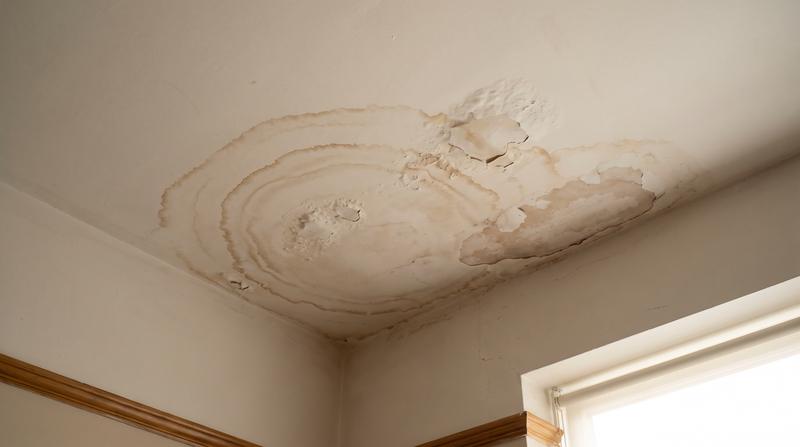
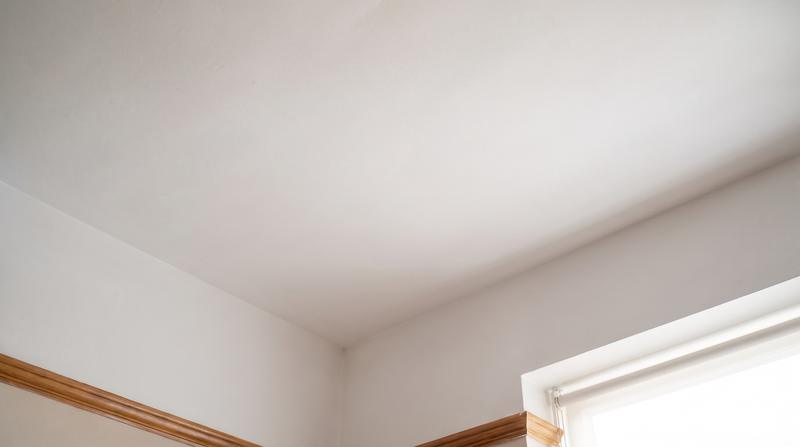 AFTERBEFORE
All of these are dry-out and rebuild work for a Kaminskiy-certified technician from our Park Plaza office: the trace, the meter, the written scope, and one crew for the tear-out, the drying, the drywall, the subfloor, the trim and the paint.

Priced and on the calendar during the first call.

A written quote you approve before anyone drives out.

One crew, the whole list, warranty in writing.
A one-year workmanship warranty, in writing, on every Vancouver water damage repair.
Because the water is still arriving. In Vancouver that is a gutter that overflows every storm, a siding joint the east wind finds, a crawl space that fills every January, a hose bib that split in the cold, or a galvanized line weeping inside a west-side wall. Paint over the ring bleeds through within weeks, and in a Vancouver winter a wall does not dry on its own until June. We trace the source with a moisture meter, have the licensed plumber or roofer stop it, and run drying equipment until the cavity reads dry before a sheet goes back up.
Drywall that got damp once and is still firm can be dried, sealed with a stain-blocking primer and refinished. Drywall that stayed wet for days, swelled at the joints or sagged comes out with the insulation behind it; plaster that is soft or loose on the lath comes out to sound edges; baseboard that swelled is replaced. Vancouver's crawl spaces make the subfloor the question: boards that dry flat and stay firm remain, plywood or particleboard that delaminated goes, and a joist, a rim joist or a mudsill that stays soft is the engineer's call before we rebuild. We probe from below at the look, and the written scope says what comes out.
Washington licenses no mold remediation trade, so there is no licensed remediation company to look up on a state list; what the state's health department says is to fix the moisture, clean a small area and get help for a large or hidden one. A small surface spot on drywall, trim or grout comes out with the material and we treat the framing. Growth across a wall, inside a cavity, across the underside of a damp crawl space floor or in the ducts, or anyone in the house with breathing trouble, calls for a remediation company with industry certification and containment, and air or surface testing is theirs too. We say so at the look and rebuild after their clearance.
Clear the gutters after the firs drop and again before the November rain, and have the downspouts dump away from the foundation. Take the hoses off the bibs in November and cover them before the east wind comes. Keep the crawl space vents clear and have a drainage contractor set a sump or a French drain where the water keeps coming. Have the licensed plumber replace the last galvanized run on the west side before it closes on its own. Run the bath fan after every shower; a Vancouver winter will not dry a bathroom for you.
Craftsman and bungalow houses from the 1900s to the 1930s with cedar lap, fir trim, wood-sash windows, plaster on lath, basements or crawl spaces, galvanized supply lines in many and cast iron drains. The gutter under the firs overflows behind the fascia and the rain runs down inside the wall; the basement takes ground water every winter and the bottom of the stairs stays damp; the galvanized line weeps inside the plaster until it bulges. We cut the plaster or drywall back to sound edges, dry the cavity and the basement with equipment, rebuild in plaster or an inlay finished to match, and the licensed plumber or roofer we schedule stops the source. Plaster from before 1980 gets a sample tested before we cut, and paint from before 1978 is tested before we sand.
Wartime and mid-century houses on crawl spaces with hardboard and T1-11 siding, aluminum windows in wood bucks, carports on posts and the water heater in a closet or the garage. The T1-11 wicks at the bottom edge and the drywall behind it goes damp; the aluminum windows sweat all winter and the sill drywall crumbles; the crawl space fills and the subfloor goes soft under the hall; the water heater fails and the closet floor and the wall beside it swell. We cut out the wet drywall, sill and subfloor, dry the cavity and the crawl space, treat the framing and rebuild to match, and the siding patch above a repaired wall is lapped into the paper and flashing already there.
Tracts from the 1980s to the 2000s, many in associations, with engineered lap siding, wood-clad sills, decks on ledgers, a bath and a laundry upstairs and a hose bib on every outside wall. The east wind finds the siding butt joints and the sill corners; the deck ledger lets the rain into the rim joist; a washer hose or a toilet supply upstairs lets go and the ceiling below sags; the hose bib freezes in the cold snap and floods the wall when it thaws. We take out what is wet on both floors, dry them, rebuild the drywall, sill and trim to the scheme, and write the scope so the association and the insurer can read who owns which wall.
Call 360-347-2002 or text a photo of the stain, the damp sill or the soft floor. Most repairs get a range on the call and a date for the look, from our office on NE Park Plaza Drive, open every day 8 to 8.
A technician traces the water with a moisture meter through the drywall or plaster, the sill, the framing, the subfloor and the crawl space or basement, then writes the scope: what comes out, how long the drying runs, which licensed trade stops the source, what is rebuilt, and the price.
The licensed plumber or roofer we schedule stops the leak, or the drainage contractor turns the water away from the house. We cut out the wet drywall, plaster, insulation, trim and subfloor, set the drying equipment, treat the framing, then rebuild, texture or skim, and paint, usually over a few visits in a week or so, longer when a crawl space has to dry.
Photos of the open wall, the crawl space and the meter log go in your file for the insurer, the association or your landlord. We take the dust with us, and the one-year workmanship warranty is on the invoice.
Washington has no small-job exemption: anyone paid to repair a building, a water damage rebuild included, must be registered as a contractor with the Department of Labor and Industries, with a bond and liability insurance on file, and it is a crime to take the work without it. Kaminskiy Care and Repair is registered, bonded and insured, with Kaminskiy-certified, background-checked technicians. Plumbing and electrical are licensed separately in Washington, so the split pipe, the failed water heater line or the hose bib goes to the licensed plumber and any outlet or wiring the water reached to the licensed electrician; the roof and the gutter-to-roof joint go to the licensed roofer; we do the tear-out, the drying, the drywall, the subfloor and the finish around them.
Vancouver asks for a residential building permit for construction, alteration and repair of a house, and lists what it leaves alone: painting, carpeting, cabinets, countertops and similar finish work, a low fence, a low deck, a small shed. The state residential code underneath adds that an ordinary repair needs no application, never the cutting of a beam or a load-bearing wall. A patched ceiling or a wall rebuilt like for like is that kind of repair; a subfloor, a rim joist or a mudsill the water softened is the call we make to the Permit Center before the quote, and the permit goes into the written scope when the city asks for it. A full re-side after water came through the siding falls under Washington's moisture rules for new siding and is a permit and a different job from the patch we lap into the paper already on the wall. The plumber's and the electrician's work carries its own permit.
A burst pipe, a failed water heater or a storm through a sound roof is the sudden loss most policies cover, and a pipe that froze is usually covered when the heat was kept on; ground water in the crawl space or the basement and a gutter that overflowed for years usually are not, and the policy and the adjuster decide. We photograph the open wall and the crawl space, log the meter readings and write a scope your adjuster can read; we do not negotiate claims, which a public adjuster licensed by the state's insurance commissioner does. In a rental, Washington makes the landlord fix a leak and the damage from it and hand tenants the health department's mold information, so we write the scope for the owner and photograph for both. In the east-side and downtown condos Washington's condominium laws put the common elements on the association and the unit on you unless the declaration says otherwise, so whose wall the leak lives in is settled with the manager before the scope is final.
Our Clark County office. The Vancouver crew works out of our office on NE Park Plaza Drive in east Vancouver, open every day 8 to 8, and covers the whole county from the west-side streets to Camas, Salmon Creek and Orchards. Call 360-347-2002, text a photo, or send the form. We answer Monday to Friday, 8 to 4:30.
Can't find your answer? Call 360-347-2002 and ask us anything.
Call 360-347-2002No, that is a remediation company's trade and we stay on our side of it. We cut out and replace the drywall, plaster, trim, insulation, subfloor and cabinet panels the water ruined and treat the framing behind them, and a small surface spot leaves with the material. Growth across a wall, inside a cavity, under a damp crawl space floor or in the ducts, and any air or surface testing, go to a remediation company with industry certification; Washington licenses none, so we tell you who we trust and rebuild after their clearance.
Nearly always. In Vancouver the usual suspects are a gutter overflowing behind the fascia, a siding butt joint or a sill corner the east wind found, a deck ledger through the siding, a crawl space or basement taking ground water, a hose bib or an outside-wall supply line that froze, an upstairs washer hose or toilet supply, and a galvanized line in a west-side wall. We trace the path with a moisture meter before anything is closed, and the licensed plumber, the licensed roofer or the drainage contractor confirms and fixes it; a rebuild over a live leak is money spent twice.
Yes. The west-side houses are plaster on lath or smooth drywall, the mid-century houses are smooth or light texture, and the east-side tracts are orange peel or knockdown with some popcorn ceilings left from the 1980s. We rebuild with the same material, carry the finish across the patch, prime with a stain-blocking primer and paint to the corner so the repair disappears. Plaster or a popcorn ceiling from before 1980 gets a sample tested before we touch it, and paint from before 1978 is tested before we sand.
It depends on how far the water ran, how long it sat and whether a crawl space or basement has to dry. Text a photo and you get a range on the call; after the look you get a written scope with the tear-out, the drying, the rebuild and the licensed trade or drainage work priced before anything starts. The price you approve is the price at the house, and the scope is written so your insurer can read it.
Often, when the cause was sudden: a burst or frozen pipe with the heat on, a failed water heater, a storm through a sound roof. Ground water in the crawl space or the basement, a gutter that overflowed for years, slow leaks and deferred maintenance usually are not covered, and the policy and the adjuster decide. We give you photos of the open wall and the crawl space, meter readings and a line-item scope; we do not adjust claims, and a public adjuster licensed by the state does if you want one.
The wall is, and the pipe is the licensed plumber's. Vancouver's cold snaps come with the Gorge wind, and a hose bib or a supply line in an outside wall splits and then floods the wall when it thaws. We shut it off, open the wall, dry the cavity and the subfloor below it, and rebuild the drywall, insulation and trim once the licensed plumber we schedule has replaced the pipe, usually with a frost-free bib; both halves go on one scope and one calendar.
All of Vancouver and most of Clark County from our Park Plaza office: Esther Short, Hough, Arnada, Bagley Downs, Rose Village, Northcrest, Cascade Park, Cascade Highlands, Image and Fisher's Landing, plus Hazel Dell, Salmon Creek, Felida, Orchards and Camas. Call 360-347-2002 to confirm your address.
Tell us where the stain or soft spot is. We'll call you back with a price and a time. Calling is still the fastest way: 360-347-2002.
Dried out, rebuilt and painted to match, warranted in writing.
We answer Monday to Friday, 8 to 4:30.No price games. You get a clear written quote before any work begins, backed by our workmanship warranty.
