The kitchen is often regarded as the heart of the home. It is a hub for meal prep, family gatherings, and cherished memories. However, as time passes, even the most beloved kitchens can become outdated. They can also fail to meet a household’s changing needs. This is where the concept of kitchen remodeling comes into play.
A thoughtful kitchen remodel revitalizes the space. It also improves its function. This makes it a wise investment for homeowners. This article provides an overview of the basics of kitchen remodeling. It includes the reasons to consider it and the costs. It also offers creative ideas to spark your project and the benefits of hiring professionals. Additionally, it offers guidance on selecting the right contractor for your home.
Enhanced Functionality & Efficiency: Considering a kitchen remodel has many benefits. One of the main ones is improved functionality and efficiency. As time goes by, your family’s needs may change. They will need a layout that can fit these new needs. Through remodeling, you can add more storage. You can also upgrade appliances or change the layout to make a more user-friendly space.
Increased Home Value: A well-executed kitchen remodel can significantly increase your home’s value. Potential buyers often prioritize the kitchen when evaluating a property, and an updated kitchen can be a major selling point. Even if you have no immediate plans to sell, a modern and visually appealing kitchen can enhance your overall living experience.
Energy Savings: During a kitchen remodel, replace old appliances with efficient models. This can save a lot on utility bills. Energy-efficient appliances use less power. They also work better, ultimately giving homeowners a win-win situation.
The cost of renovating a kitchen can vary a lot. It depends on the project’s size, the quality of materials, and the location. Typically, homeowners can spend between $12,000 and $50,000 on a moderate kitchen renovation.
Still, small renovations may only need a budget as low as $10,000. But upscale projects can cost over $60,000. Setting a budget and clearly outlining the project’s scope with your contractor can cut costs.

Hiring a kitchen remodeling service offers many advantages. They go beyond just giving your kitchen a new look. These services combine their skills and efficiency, and also utilize personalized design to transform the heart of your home.
They make your kitchen functional and visually appealing. Here are several reasons to choose a professional kitchen remodeling service. Doing so is a smart option.
Hiring the perfect kitchen remodeling contractor is essential if you want to achieve the kitchen of your dreams.
Here’s a simplified guide to help you make an informed decision.

Kaminskiy Kitchen Remodeling Service is here to help you revamp your kitchen into a space that reflects your style and meets your functional needs. We understand that transforming your kitchen is an exciting journey, and we are dedicated to making it a reality.
Whether you envision a modern, sleek kitchen or a cozy, traditional space, our team of experts is equipped to bring your dream kitchen to life.
Here is how we can help:
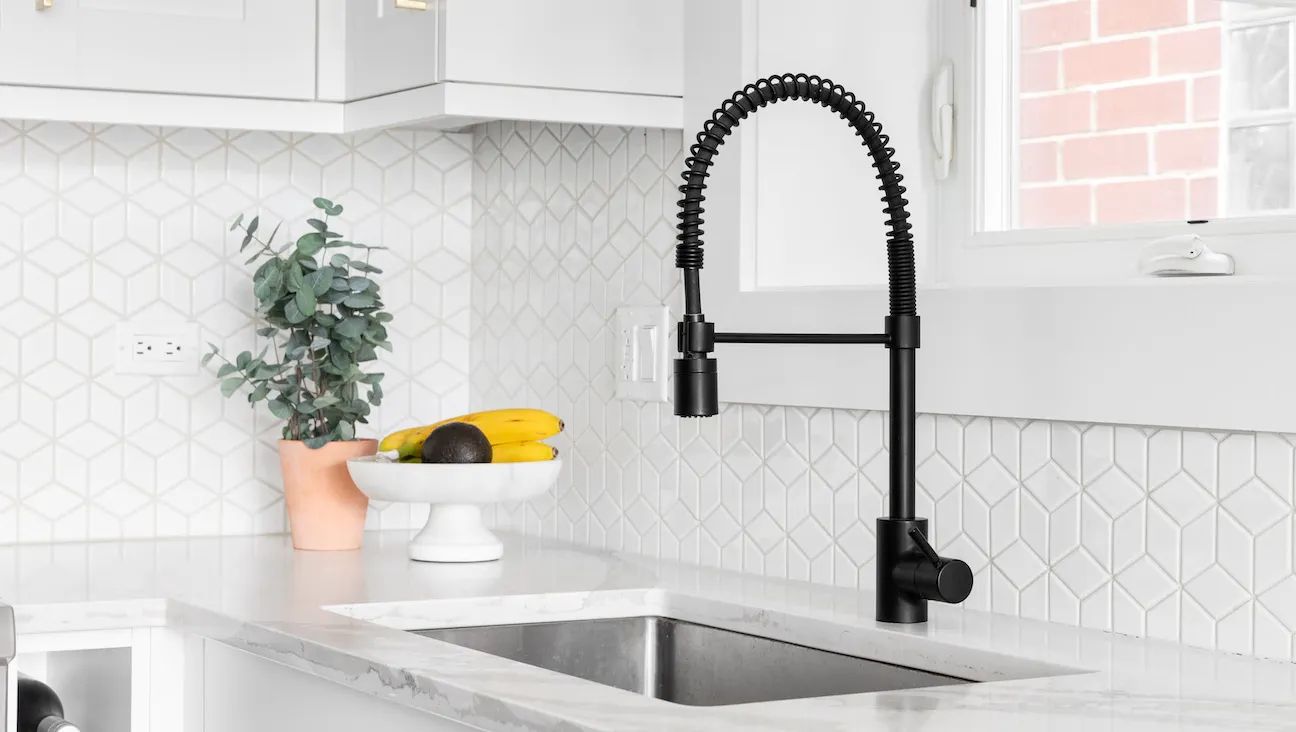
At Kaminskiy Care and Repair, we understand that your kitchen is the heart of your home. Our team is dedicated to delivering personalized service and exceptional craftsmanship, bringing your vision to life. Ready to revamp your kitchen?
Contact us today to schedule a consultation and take the first step toward your dream kitchen.
Owning a home comes with responsibilities, and keeping your water heater in good shape is one of them. Understanding how to troubleshoot and repair your water heater can save you time, money, and stress, ensuring that you always have hot water when you need it. Knowing the basics can empower you to take action whether your unit is making strange noises or the hot water has run out.
In this article, you’ll learn essential water heater maintenance and repair tips. You’ll confidently navigate the process from everyday problems to practical solutions. Get ready to increase the efficiency of your water heater and extend its lifespan by following straightforward guidance explicitly tailored for homeowners like you.
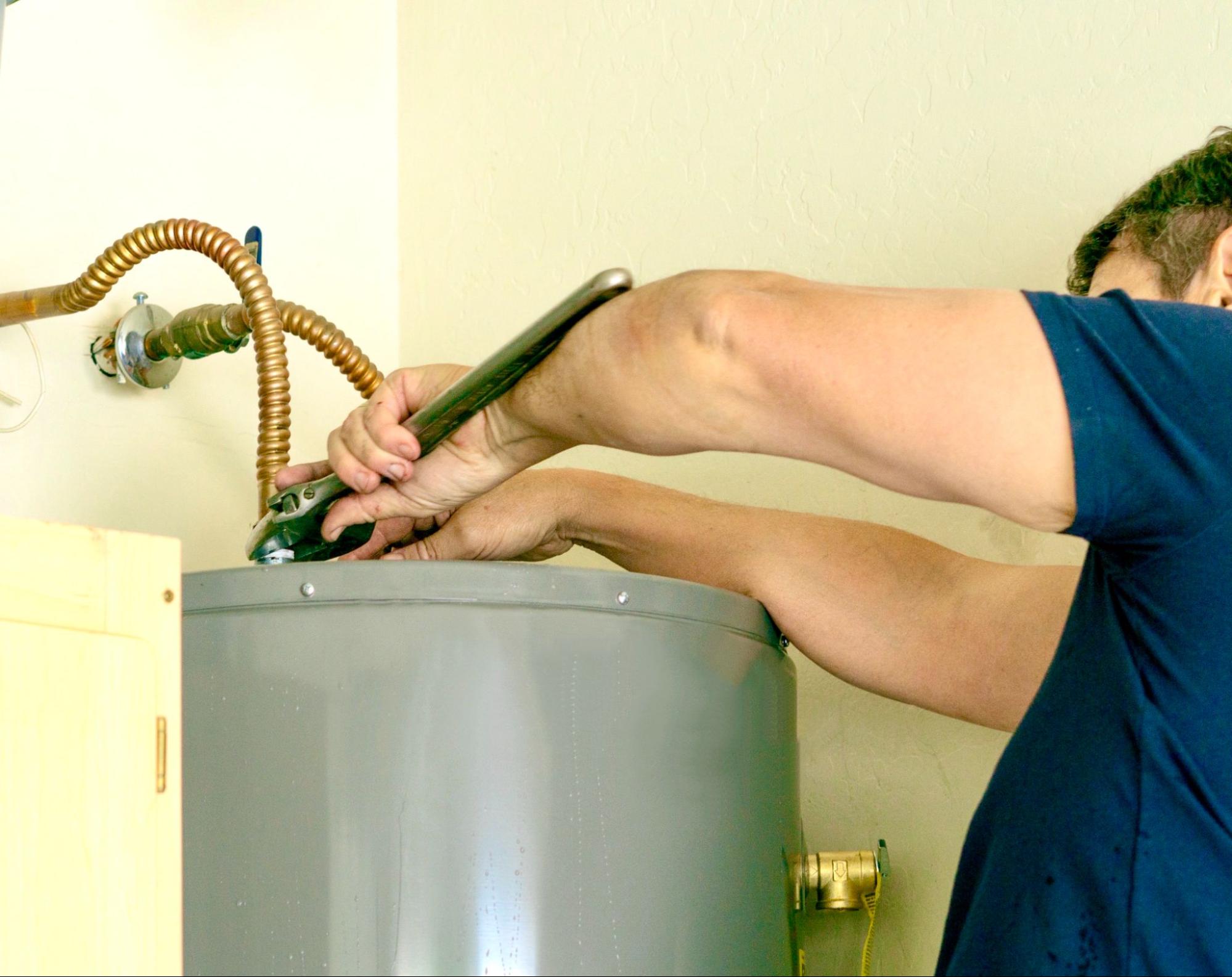
Water heaters are essential appliances in your home, providing hot water for various needs. Understanding their types, key components, and the importance of maintenance can help ensure reliable performance and a long lifespan.
There are several types of water heaters available. The most common include:
Regular maintenance is essential for optimal water heater performance. Here are some key tips:
Following these guidelines, you can keep your water heater running efficiently and extend its lifespan.

You may face various issues with your water heater, including no hot water or strange noises. Knowing how to troubleshoot these problems can help maintain a consistent hot water supply in your home. Here are some common water heater problems and solutions, tips on when to call a professional, and DIY repair advice.
While some issues are manageable, others require a licensed plumber. Call for help if you encounter gas leaks—these pose serious safety risks. If your water heater is over ten years old and has frequent issues, a professional inspection can determine whether repair or replacement is the best option.
If your troubleshooting attempts do not yield results, or if you feel unsure about making electrical repairs, it’s best to consult an expert. A professional can safely handle complex repairs that require expertise and specialized tools.
For simple repairs, keep these tips in mind:
Staying proactive in your water heater care can prevent larger issues down the line. Regular checks and maintenance can also improve efficiency and extend the life of your unit.
Being proactive about water heater care can save you time and money. Address minor issues before they escalate, and always have reliable service on hand when your unit needs professional attention.
If you have major issues, consider contacting professionals like Kaminskiy Care and Repair. We provide expert services for water heater repairs and replacements.
The most common problem with water heaters is a lack of hot water. This can be caused by a faulty thermostat, a broken heating element, or sediment buildup in the tank.
Typically, a water heater lasts about 10 to 15 years. Factors like usage, maintenance, and water quality can affect its lifespan. Regular maintenance can help extend the life of your unit.
You should perform regular maintenance on your water heater. That includes flushing the tank annually to remove sediment and checking the pressure relief valve. Inspect for leaks and ensure the temperature setting is safe.
To troubleshoot your water heater safely, start by checking the power supply. Ensure the circuit breaker is not tripped. Listen for unusual sounds, check the temperature setting, and inspect for leaks.
Installing a new kitchen faucet is an easy way to give your kitchen a makeover. As more homeowners become interested in Do-It-Yourself (DIY) projects, replacing old, outdated faucets has become a popular way of improving a space without breaking the bank. With the right tools and skills, installing or replacing a kitchen faucet can be easy.
Keep in mind that a simple project like this can quickly turn into hours of work. Without the right knowledge or expertise, things can go wrong, resulting in longer project times, leaky or broken faucets, and a lot of frustration. Installing a new one also requires a new set of tools that will likely gather dust after being used only a few times.
Whether you want to install a completely new fixture or replace an outdated or leaky one, Kaminskiy Care and Repair can install these new fixtures quickly and flawlessly, saving you the hassle. Our team makes sure each fixture is up to standard and we repair any issues as we see them.
Worn washers or gaskets, leaks, low water pressure, and rusting are all reasons to replace your faucet. Sometimes, these problems are easily fixed or their parts replaced inexpensively. There are times a repair cannot be made and only a replacement will do. As they age, they tend to leak and wear out. Installing brand-new will avoid water damage and save on continuous repair costs.
It is possible to replace a kitchen faucet on your own. You need to ensure you have all the tools required, as well as buckets and towels to catch any water.
Tools you need include:
If you are replacing an old or outdated kitchen fixture in an existing sink, you first need to determine the number of holes the fixture has, usually between one and four. This will tell you the type of kitchen fixture will work with your sink. For example, you can install a one-hole faucet into a three- or four-hole sink by adding a deck plate but not vice versa.
Keep in mind when installing the new kitchen tap to always refer to the manufacturer’s installation instructions. Designs are often different, so follow those instructions carefully.
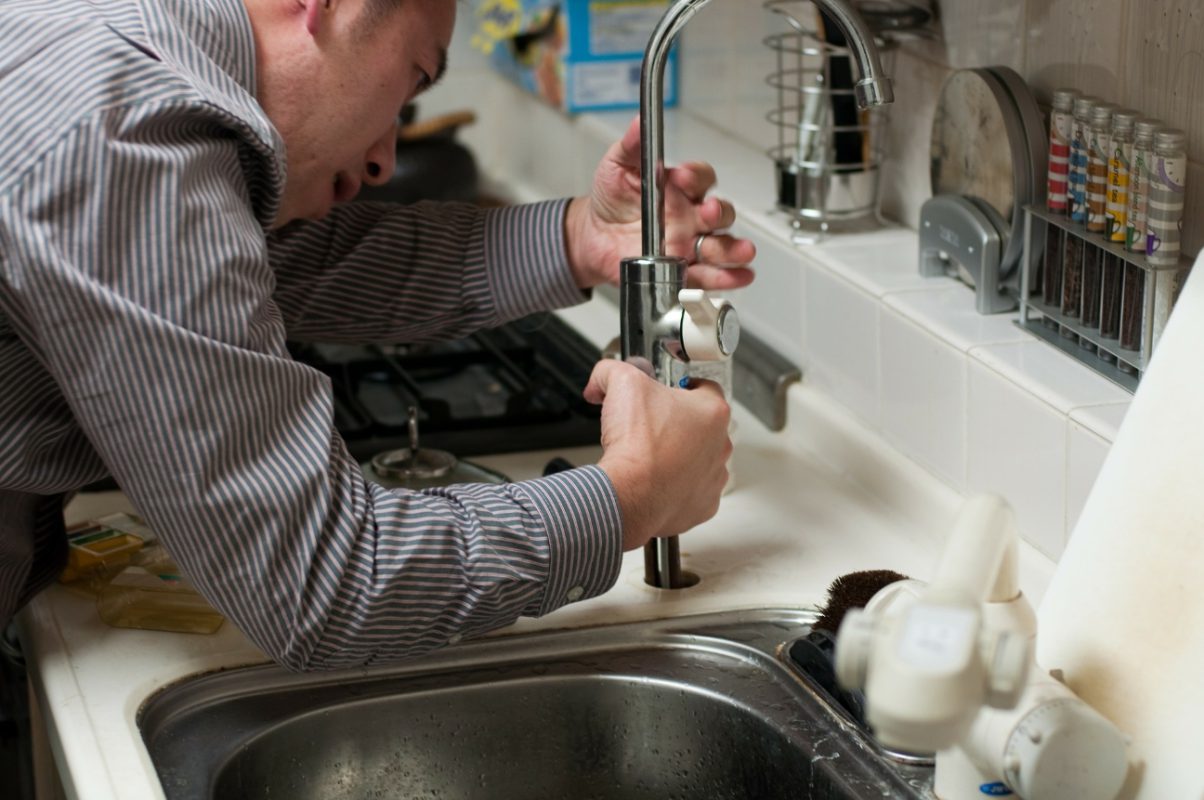
For more than 13 years, Kaminskiy Care and Repair has been helping homeowners in San Diego have the home of their dreams. Our expert teams have assisted thousands of families with projects around the home, including installing and replacing old, leaky faucets. Sometimes, all a home needs is a little repair or minor changes rather than an entire remodel. We help improve your home by completing the necessary repairs and projects needed.
Our experienced team can help with the installation or replacement of any faucet in your kitchen. You’ll improve the look of your kitchen overall, without the hassle of doing it yourself. No other team respects your time, sticks to their estimates, or treats your home as carefully as we do. Don’t trust your home repair project to anyone. All of our technicians have over 15 years of experience in the business, and we run background checks to make sure you can trust us.
Need to install new bathroom fixtures or replace old ones? We offer bathroom faucet repair services, too.

For most people, the kitchen is the most important room in their homes. Kitchens have dual purposes and are used to prepare meals and as a gathering place for family and friends. If your kitchen is outdated or drab, a great way to breathe new life into it without having to undergo the cost of a complete renovation is to add new countertops or to complete countertop repairs. Replacing your existing countertops and adding some space can transform your kitchen’s look and feel. If you are thinking about installing new countertops, here are some things that you should consider.
When it comes time to spruce up your kitchen you’ll find that refreshing those kitchen countertops can provide you a big bang for your buck. It can be a fast and affordable way to make your kitchen look and feel brand new. When it comes to countertop materials there are almost no limits. Countertops are not limited to laminate pre-fabricated materials. When you are choosing new countertops, you can choose between many options, including the following:
Each of these different countertop materials have different costs and require different types of care. Quartz countertops are highly durable and can look like natural stone. Once they are installed, they require very little maintenance. Granite countertops are beautiful but are also expensive, but may provide the highest ROI if you are considering selling your home. When you install granite countertop materials, you will need to seal them. You will also need to reseal them regularly and clean them with soap and water instead of harsh chemicals after you install granite countertop materials. Tiled and grouted countertops will need to be cleaned regularly with tile and grout cleaner. Concrete countertops are vulnerable to staining, so they need to be properly sealed. Wooden countertops are also susceptible to staining. You can remove stains with a lemon, and you will need to oil them to keep them looking great.
While any countertop material you choose may require extra care, you want to pay attention to your personal tastes, styles, budget, and long term goals. It may be worth the extra investment to choose a granite countertop over a laminate or tile if you are planning on selling in your home some day. At the same time, if you love a country kitchen and spend a lot of time cooking in your kitchen choosing a wood countertop may be the perfect style for you. If the major project you are investing in your kitchen remodel is your countertop upgrade, don’t be shy. Splurge and enjoy your new space.
Some homeowners are quite handy and will want to try and tackle installing a new kitchen countertop on their own. If you are ready to brave this project on your own here are the steps you are going to want to take.
Before you order your new countertops, you need to measure the layout correctly. Start by sketching the layout of your cabinets. Then, measure the exact length from the wall to the edge of each section of your cabinets. You also need to measure the depth of your cabinets to make certain that your countertops will be large enough to give you an overhang. Make sure you measure the space multiple times for accuracy. Once your new countertops are cut they will only be able to get smaller not bigger. After you are confident that you have the exact length measurements, you will then want to add 3/4 inches for the overhangs. For freestanding ranges, add one inch for the space in between the range and the cabinets. This allows you to trim any extra off later for an exact fit.
After you have your measurements, you can order your new countertops. When they arrive, you will need to measure the space on the underside of them up to the finished edges. This is important because you will need to add build-up wood strips so that the overhangs will not get in the way of your cabinet drawers. Once you know the thickness of the build-up strips that you will need, you can either cut them yourself out of wood that you have or purchase pre-made build-up wood strips.
You will next attach your build-up wood strips to the tops of your cabinets using drywall screws. Then, you will want to place the corner countertop pieces to test their fit. From underneath the corner pieces, you will temporarily bolt them in place with a miter bolt to check how they fit to the adjoining walls. Fitting corner pieces to the walls can be challenging for most people. If there are gaps, try to close them. You can remove up to 1/2 in. from the backsplash to fit your walls if necessary. Use a belt sander to sand down the backsplash to fit your walls. After the corner pieces are in place, you will then remove the miter bolts so that you can cut in the area for your sink.
The cut for your sink will be done from underneath the countertop using a jigsaw. This helps to prevent chipping. After your sink is in place, you will use a handsaw to cut your countertop’s length to fit the edge of your cabinets where they will meet your range. Make certain that the edge is squared off so that you can have an exact fit. You will then apply the end caps to the edge. You will then attach your countertops to the cabinets with steel angles using 5/8-inch screws.
Hiring a handyman service to install your countertops can help you save money. Installing countertops can be tricky, as you can tell from the above instructions. If you make mistakes, you may have to replace your new countertops with new materials. Just one error can cost you thousands depending on your countertop materials. Working with a handyman for your countertop installation allows you to discuss your current challenges, your needs, your tastes, and from that design a plan that meets your long term needs. A handyman will ensure that your countertops will be properly installed and will not damage the materials leaving chips and other installation defects. Hiring a professional remedies all of those worries. Handymen are trained, experienced, and knowledgeable about all of the little hiccups that can set your DIY project right off track.
Installing new countertops in your kitchen can give it a brand new look. When you hire a handyman service, you can make certain that your countertops will be installed correctly and will last for years. Kaminskiy Care & Repair is a licensed general contractor that can help with your countertop installation or repair throughout the San Diego county. We offer a handyman and maintenance guarantee for our handyman repairs. If any repair fails within the first year, we will repair it for free. We do everything in our power to make certain that our customers love their results. Contact us today to schedule a consultation by calling us at 858-295-1040.
No price games. You get a clear written quote before any work begins, backed by our workmanship warranty.