Having a trusted handyman can make home maintenance much easier. When you find a skilled professional, building a long-term relationship brings many perks. You’ll have someone you can count on for all your repair and improvement needs.
A reliable handyman who knows your home well can save you time and money in the long run. They become familiar with your property’s quirks and can spot potential issues early. This helps prevent small problems from turning into big, costly repairs.
Building trust with your handyman leads to better service. You’ll feel more comfortable letting them work in your home. They’ll also be more likely to prioritize your projects and give you their best effort. This partnership can make home upkeep less stressful and more efficient.
Building a strong relationship with your handyman requires trust and open communication. These elements form the foundation for a lasting partnership that benefits both parties.
Consistency is key to creating a trustworthy partnership with your handyman. When you hire the same professional for your repair and improvement needs, you build familiarity and understanding, which leads to better results over time.
Your handyman learns the quirks of your home. They become familiar with past repairs and can spot potential issues early, saving you time and money in the long run. Create a system for regular maintenance. Schedule periodic check-ups for your home. This proactive approach prevents small issues from becoming major problems.
Clear communication is vital for a successful partnership with your handyman. Explain your needs and expectations clearly, and provide detailed information about the home repairs or improvements you want.
Listen carefully to your handyman’s advice. They have valuable expertise to share. Ask questions if you don’t understand something. This shows you respect their knowledge and helps avoid misunderstandings.
Be open to their suggestions for alternative solutions. They may have more cost-effective or durable ideas. Trust their experience, but also feel free to express your preferences.
Establish a preferred method of communication. Some handymen prefer calls, while others use text or email. When reaching out, respect their working hours. This consideration builds mutual respect.
Set up a transparent appointment system. Confirm dates and times to avoid confusion. Be prepared when they arrive, with the work area accessible and clean.
Forming a lasting partnership with your handyman can lead to many advantages. You’ll see positive changes in your home maintenance and your wallet.
A long-term commitment to your handyman can save you money and time. You won’t need to search for a new professional each time you have a repair, and this cuts down on time spent vetting and explaining your needs to different people.
Regular maintenance can prevent costly emergency repairs. Your handyman will learn your home’s quirks and can spot issues early. This proactive approach often leads to more straightforward, less expensive fixes.
Many handymen offer package deals or discounts for regular clients. These savings can add up over time. Also, avoid call-out fees that new customers often pay.
As your relationship grows, so does the quality of service. Your handyman learns your preferences and standards, which helps them tailor their work to your needs.
They become familiar with your home’s layout and systems, which leads to faster problem-solving and more efficient repairs. You’ll likely see improved results with each visit. A long-term handyman can plan for future projects and might suggest upgrades that work well with your home’s structure. This forward-thinking approach can save you from costly mistakes.
A committed handyman relationship allows for personalized service. They’ll remember your likes and dislikes, making each interaction smoother. You won’t need to explain your preferences repeatedly.
Your handyman can teach you basic maintenance skills. This knowledge empowers you to handle small tasks on your own, and it’s a form of personal growth that can boost your confidence as a homeowner.
Over time, your handyman might expand their skills to meet your needs. They could learn new techniques or get certifications in areas you often require help with. This growth benefits both of you, leading to a unique, mutually beneficial partnership.
A great handyman-client relationship goes beyond just fixing things. It’s about creating a positive experience that benefits both parties.
Your satisfaction is key when working with a handyman. Ask for a clear explanation of the work to be done. This helps set expectations and avoid misunderstandings.
Don’t be shy about giving feedback. Your handyman wants to know how they’re doing, and honest feedback helps them improve their service.
Express what you like about their work. This will encourage them to continue practicing good habits.
If something isn’t right, speak up politely. Most handymen will be happy to fix any issues.
Consider leaving online reviews. This helps other homeowners and rewards good service.
Treat your handyman with respect. Remember, they’re skilled professionals doing meaningful work.
Be clear about your needs and budget. This shows you value their time and expertise.
Keep your home tidy before they arrive. This makes their job easier and shows you care.
Pay promptly for their services. Late payments can harm the relationship. Consider a tip or a small gift if they go above and beyond. This isn’t required, but it’s a nice gesture.

Building a strong bond with your handyman can lead to many benefits. You’ll gain a trusted partner for home repairs and improvements.
Long-term relationships foster better communication and understanding. Your handyman will learn your preferences and home’s quirks over time.
This familiarity often results in faster, more efficient work. It can also lead to more accurate project cost estimates.
Regular maintenance by a familiar handyman can prevent costly repairs down the line. They may spot potential issues before they become major problems.
A loyal handyman might offer you priority scheduling or discounts. This can be especially helpful during emergencies or busy seasons.
By valuing these partnerships, you invest in your home’s future. A reliable handyman is invaluable for maintaining and improving your living space.
Remember, building client connections is a two-way street. Treat your handyman with respect and fairness to nurture a fruitful, long-lasting professional relationship.
When you build a rapport with your handyman, they get to know your home’s quirks. This familiarity allows them to spot potential issues early. Your handyman can suggest preventive measures, saving you money on big repairs later.
Having a go-to handyman saves you time and stress. You don’t need to search for a new professional whenever something breaks. Your handyman already knows your home’s layout and your preferences, leading to faster and more personalized service.
Consistent business creates a win-win situation. You get reliable service from someone you trust. The handyman gets steady work and can plan their schedule better. This stability often leads to more flexible pricing and priority service for regular clients.
Long-term clients often enjoy cost benefits. Your handyman might offer discounts for repeat business. They may also bundle services or provide free quick fixes during visits. Over time, these savings can add up to significant amounts.
Good indoor air quality is vital for health and comfort. Many people don’t realize how much they can do to improve the air in their homes. Simple steps can make a big difference.
Proving indoor air quality can boost your health and productivity. Better air means fewer sick days and more energy. You don’t need to be an expert to get started. There are easy fixes that anyone can do.
Proper ventilation is key to fresh air indoors. You can open windows, use fans, or upgrade your HVAC system. Cleaning regularly also helps remove dust and allergens. Air filters and purifiers can tackle smaller particles you can’t see.
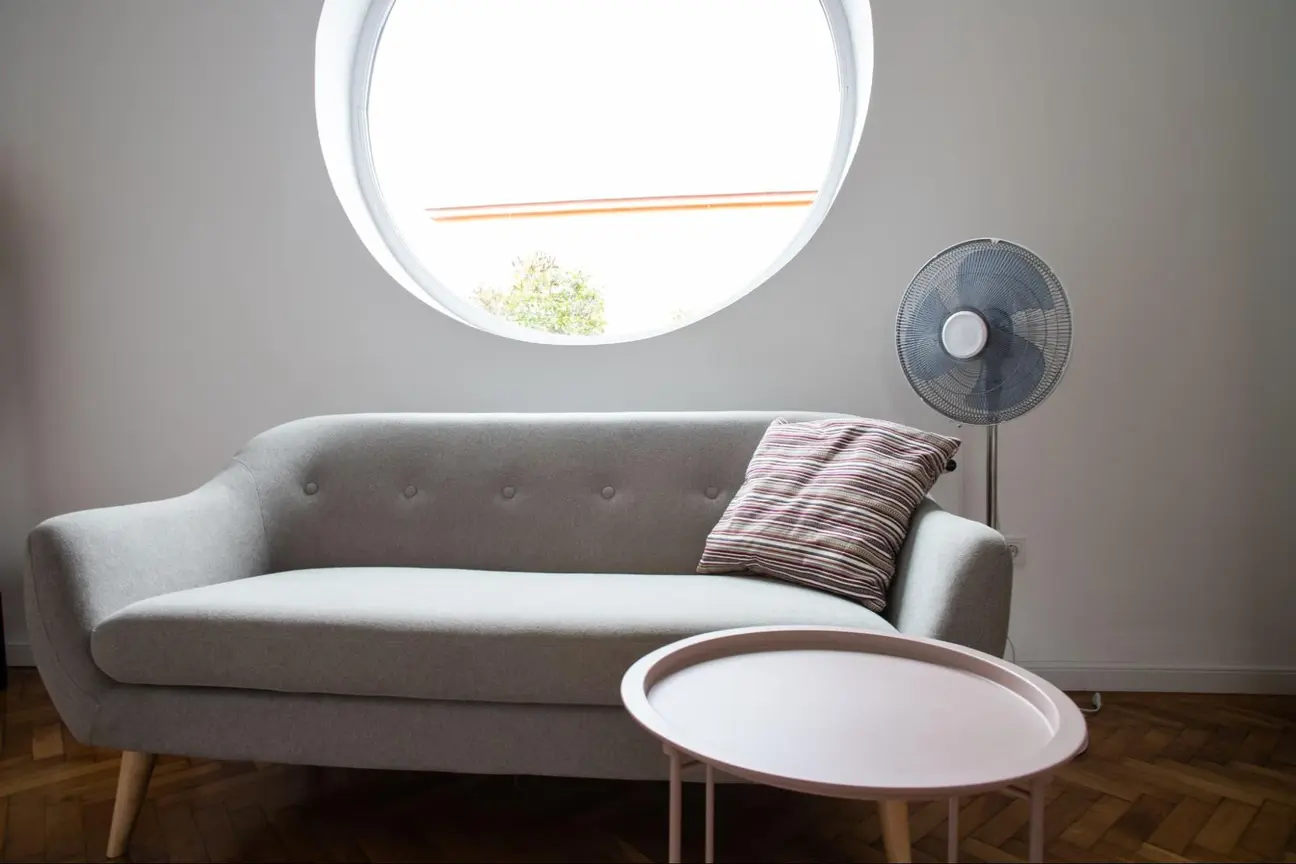
Good ventilation is key for healthy indoor air. It helps remove pollutants and brings in fresh air. Let’s look at ways to check and upgrade your home’s ventilation.
Your HVAC system is the heart of indoor air quality. It moves air through your home, filtering out dust and allergens. A well-working HVAC keeps you comfy and breathing easy.
Check your air filters monthly and clean or replace them as needed. This helps your system run better and keeps your air cleaner.
Consider upgrading to a filter with a higher MERV rating. These filters catch more tiny particles. But first, make sure your system can handle a denser filter.
Don’t block vents with furniture or curtains. This lets air flow freely. Open interior doors to help air move between rooms.
Consider adding air purifiers in high-use areas. These can catch particles your HVAC misses.
Exhaust fans remove stale air. Install them in bathrooms and kitchens and run them during and after showers or cooking.
Open windows when weather permits. This brings in fresh air naturally. Try creating cross-ventilation by opening windows on opposite sides of your home.
Use ceiling fans to boost air movement. In summer, set them to spin counterclockwise. This pushes air down, creating a cooling effect.
Think about adding a whole-house fan. It can quickly replace indoor air with fresh outdoor air. This works great on cool evenings.
Yearly HVAC check-ups keep your system running well. A pro can spot issues before they become big problems. They’ll clean parts, check refrigerant levels, and ensure everything’s working right.
Clean your ducts every 3-5 years. This removes built-up dust and debris, helps your system work better, and improves air quality.
Check for air leaks around windows and doors and seal any you find. This keeps outdoor pollutants out and helps your HVAC work more efficiently.
Inspect your ventilation system for mold or moisture. These can harm air quality and your health. If you spot any, clean them up right away.
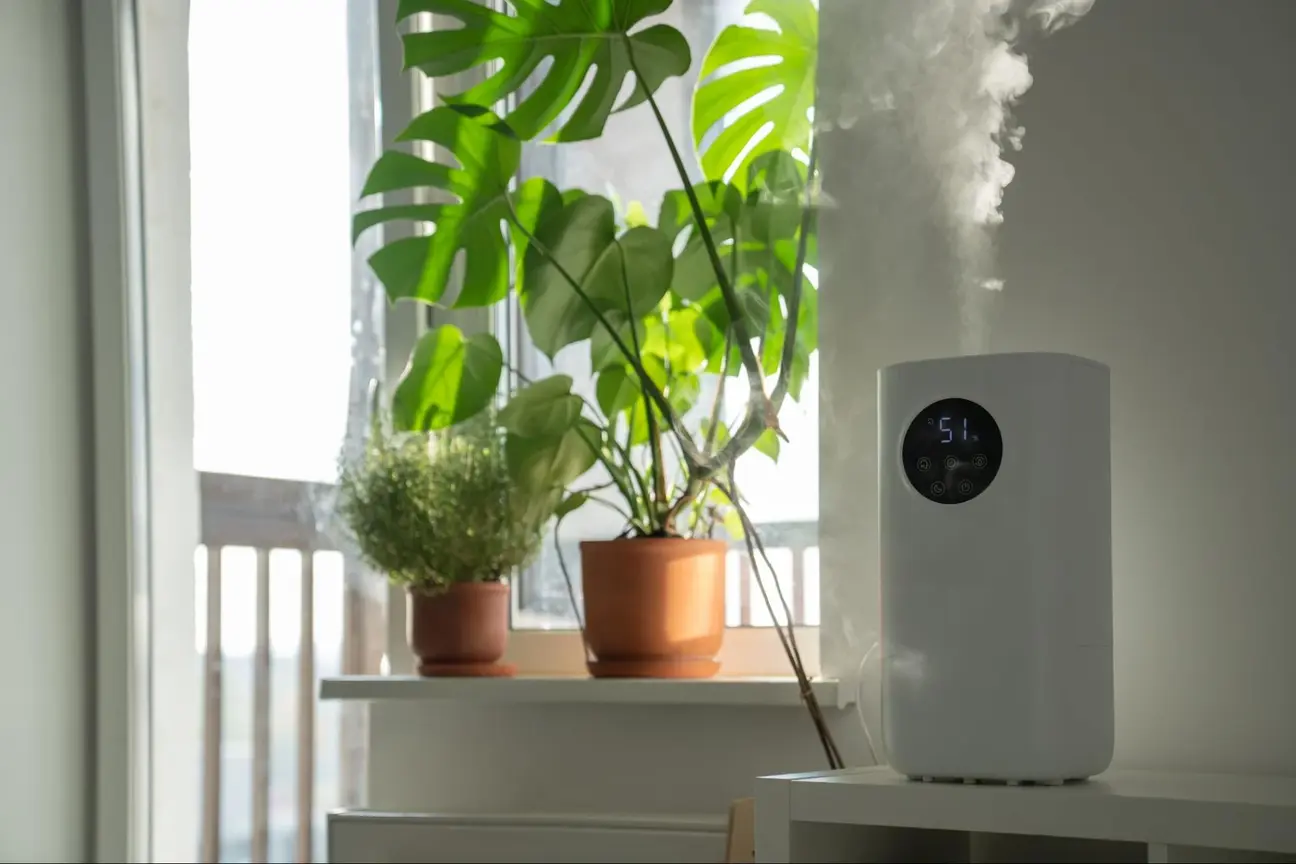
Clean indoor air is vital for health and comfort. Advanced techniques can help remove pollutants and improve air quality in your home.
Selecting the right air filter is crucial for effective air cleaning. MERV ratings indicate a filter’s ability to capture particles. Higher MERV ratings mean better filtration.
MERV 8-13 filters can trap pollen, dust, and some bacteria. For allergens and smaller particles, consider HEPA filters. These remove 99.97% of particles as small as 0.3 microns.
Change filters regularly for optimal performance. This helps your HVAC system run efficiently and keeps your air cleaner.
Consider these factors when choosing filters:
UV light and ionization offer advanced air purification options. UV-C light can kill bacteria, viruses, and mold spores in the air.
Ionizers release charged particles that attach to airborne contaminants. This makes them heavier and easier to filter out.
These technologies work well with traditional filters. They target different types of pollutants for comprehensive air cleaning.
Be aware that some ionizers may produce ozone. To protect your health, choose models certified for low ozone emission.
Proper humidity levels are key for good air quality. Aim for 30-50% relative humidity in your home.
Humidifiers add moisture to dry air. This can help with:
Dehumidifiers remove excess moisture. They’re useful for:
Monitor humidity levels with a hygrometer. Adjust your devices as needed to maintain the ideal range.
Eliminating pollution sources is often the most effective strategy. To improve air quality, identify and remove common indoor pollutants.
In summary, you can take simple steps to improve indoor air quality in your home. Regular HVAC maintenance is key. Clean or replace air filters every 1-3 months. This helps remove pollutants and allergens.
Proper ventilation is crucial. Open windows when weather permits. Use exhaust fans in bathrooms and kitchens. This removes excess moisture and odors.
By following these tips, you can create a healthier indoor environment. Your efforts will improve air quality and the well-being of you and your family.
You can control pollution sources in your home. Remove shoes at the door to reduce dirt and pollutants. Use natural cleaning products to avoid harsh chemicals.
Vacuum and dust regularly with a HEPA filter vacuum. This captures small particles that can irritate the lungs.
Change your HVAC filters every 1-3 months. This keeps air flowing freely and traps more pollutants. Clean air ducts every few years to remove built-up dust and debris.
Check for leaks or moisture issues around your HVAC system. Fix any problems quickly to prevent mold growth.
Good ventilation removes stale air and brings in fresh air. Open windows when weather permits. Use exhaust fans during cooking and showering.
Consider a whole-house ventilation system for consistent air exchange. This is especially helpful in tightly sealed, energy-efficient homes.
Taking care of your home appliances is crucial for keeping them running smoothly and efficiently. Regular maintenance can significantly extend the lifespan of your appliances, saving you money on replacements and repairs. When you invest time in proper care, you ensure your appliances perform at their best, which can also improve energy efficiency, contributing to a more sustainable home.
From simple cleaning habits to more detailed preventative measures, a few small steps can make a big difference. Understanding how to maintain your major appliances will help you avoid common issues and keep them functioning longer. Knowing the right care techniques can turn your appliances into long-lasting investments in your home, whether they’re your refrigerator, washing machine, or oven.
By making maintenance a priority, you can enhance your appliances’ efficiency and safety. Keep reading to discover essential tips and strategies for ensuring your home appliances serve you well for years to come.
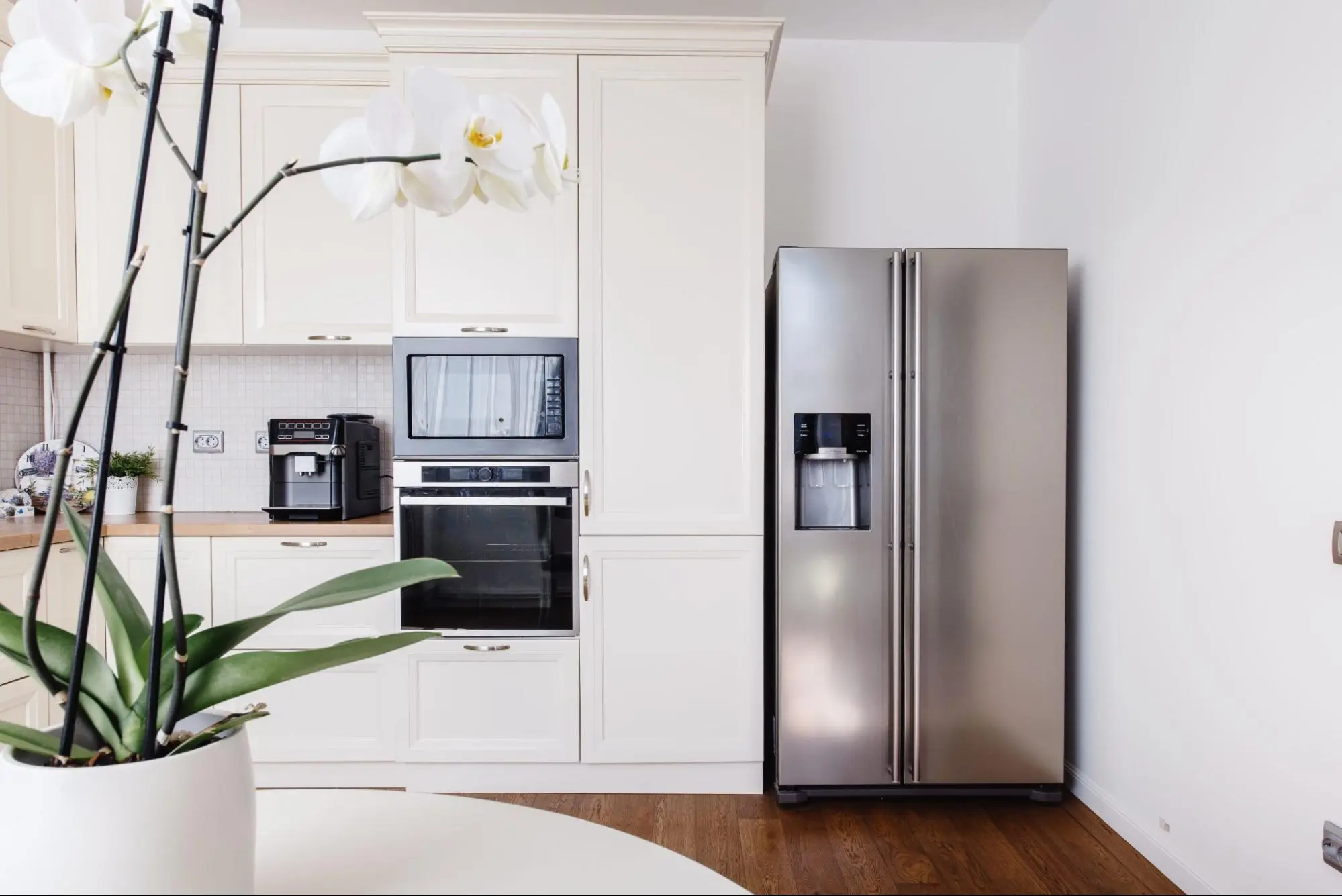
Proper maintenance is essential for keeping your appliances running efficiently. Regular care can save you money on repairs and energy costs. Here are key tips for maintaining your refrigerator, oven, dishwasher, washing machine, and dryer.
Start by checking the temperature settings. Your refrigerator should be at or below 40°F, while the freezer should be at 0°F. This ensures food safety and energy efficiency.
Clean the condenser coils at least twice a year. Dust and debris can block airflow, causing your appliance to work harder. Vacuum the coils and clear any blockages to improve performance.
Examine the door seals regularly. Worn seals can let cold air escape. Clean them with warm, soapy water and replace if damaged. Defrost the freezer as needed to avoid buildup, which can hinder efficiency.
Keep your oven and range free of grease and debris. Wipe down surfaces after every use to prevent buildup. For tough stains, use a vinegar solution to clean the interior.
Check the burners and ensure they are clean. Food particles can cause uneven cooking. Remove and clean burner grates, and make sure the oven temperature is accurate. Using an oven thermometer can help with this.
Inspect the door seal for cracks or gaps. A damaged seal can cause heat loss and increase energy costs. Replace any worn seals to maintain efficiency.
To keep your dishwasher running smoothly, clean the filter regularly. This prevents clogs and ensures proper drainage. Remove any food particles that accumulate and rinse the filter under water.
Inspect the spray arm to ensure it’s free from blockages. Any debris can stop it from rotating effectively, which impacts cleaning. Run a cycle with vinegar to help dissolve grease and mineral deposits.
Periodically check the door seals for wear. Ensure they create a tight seal when closed. This prevents leaks and maintains washing efficiency.
Your washing machine benefits from regular inspection and cleaning. Always check the detergent dispenser for clogs and clean it with warm water to ensure proper flow.
Avoid overloading the machine. Doing so can strain the motor and lead to malfunctions. Follow load guidelines to ensure optimal operation.
Inspect the seals around the door. Worn seals can cause leaks. Wipe them down with a damp cloth and check for any tears.
Clean the lint filter before each load. A clogged filter can reduce airflow and increase drying time. This simple step helps improve efficiency.
Check the venting system for blockages. To prevent fire hazards, ensure that vents are clear and free from lint buildup. Clean the vent hose periodically.
Monitor the temperature settings. If clothes take too long to dry, it may be a sign of a problem. Ensure your dryer is set to the right cycle for the materials you are drying.
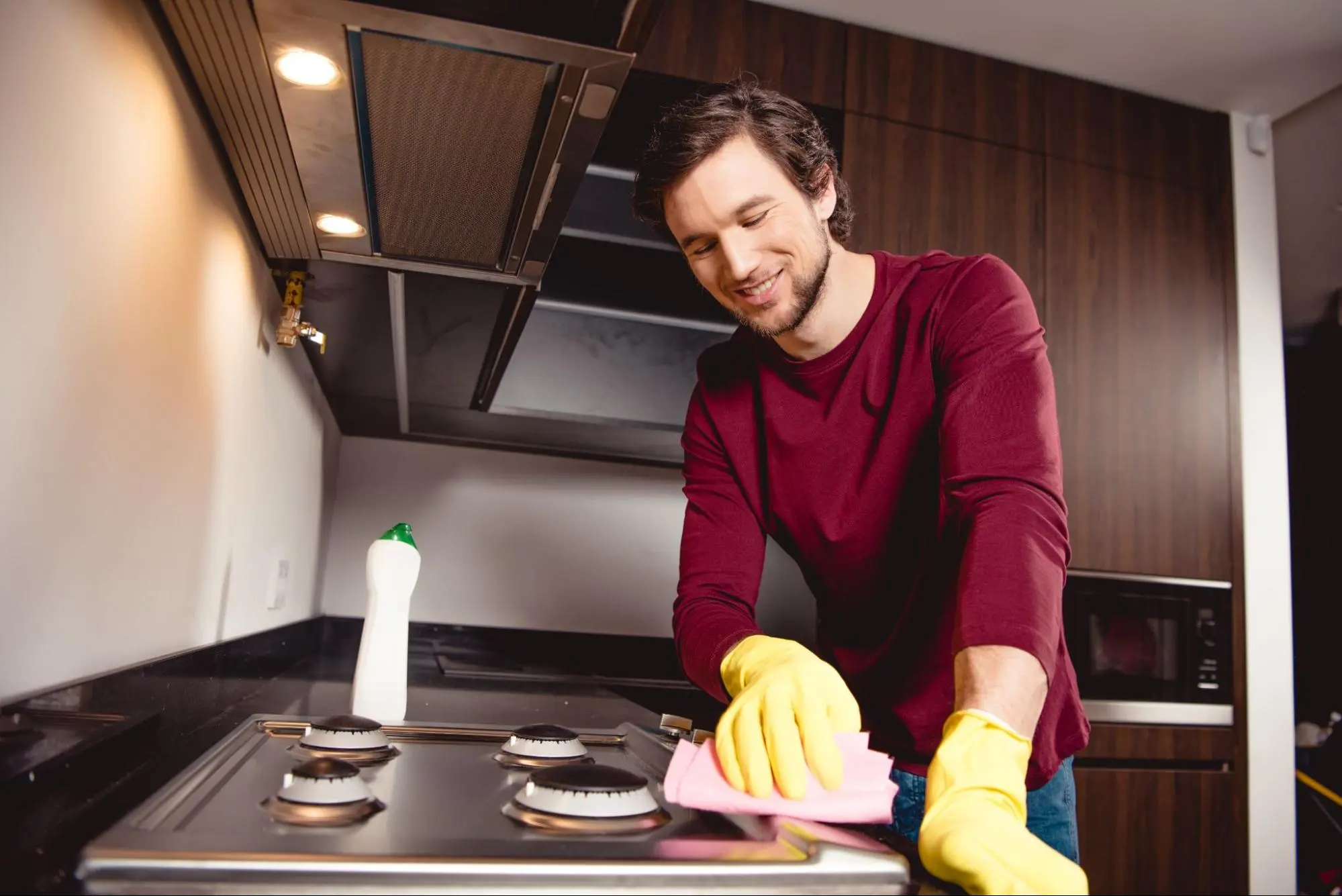
Proper care of your home appliances can significantly extend their lifespan. By detecting wear and tear early and investing in professional servicing, you can avoid costly replacements. Additionally, routine practices help prevent unexpected breakdowns, ensuring your appliances function efficiently. Here are key insights into proper maintenance, expected lifespans, and common mistakes to avoid.
Regular inspection of your appliances is essential for spotting early signs of wear and tear. Check for unusual noises, leaks, or changes in performance. Visual inspections can reveal cracks or loose parts, which may require repairs.
Create a maintenance schedule that includes these checks. This proactive approach lets you catch issues before they escalate into major repairs. Keeping a log can help track repairs and replacements over time, making it easier to identify patterns.
Hiring professionals for routine maintenance is vital in extending the life of your appliances. Look for certified appliance services that can perform thorough inspections. These experts can identify problems that you might overlook.
Additionally, professional maintenance often includes cleaning components that accumulate dust or grime, like vents and filters. Such services not only improve efficiency but can also reduce energy costs.
Consider a home warranty to cover unexpected repairs. This can provide peace of mind and help manage costs for significant appliance issues.
Establishing simple daily habits can prevent appliance breakdowns. Start by following the manufacturer’s guidelines for usage. Overloading machines, for example, strains their components and leads to wear faster.
Use surge protectors to shield your appliances from power surges that can cause damage. Keeping appliances clean is equally crucial: regularly wipe down exteriors and clean interior parts like refrigerator coils.
Set reminders for seasonal checks or use an appliance maintenance service to stay on top of upkeep. Avoid neglecting cleaning routines, as this can lead to appliance malfunction. Overloading appliances is another mistake, as it puts extra pressure on their components. Lastly, do not ignore strange noises or smells; these often indicate a need for maintenance.
By staying consistent with maintenance, you keep your home running efficiently and effectively.
To prolong the life of kitchen appliances, regularly clean their surfaces and interiors. Focus specifically on vents and filters to prevent dust buildup. Additionally, use appliances according to their instructions and avoid overloading them to reduce strain.
Most major appliances have specific lifespans. Refrigerators usually last around 10-15 years, while ovens and dishwashers may last 10-13 years. You can maximize their lifespan by performing regular maintenance, using them properly, and addressing any issues promptly.
Yes, you can improve the longevity of modern appliances by following maintenance best practices. Regular cleaning and timely repairs can prevent minor issues from becoming larger problems. Proper usage according to manufacturer guidelines is also crucial.
Avoid neglecting cleaning routines, as this can lead to appliance malfunction. Overloading appliances is another mistake, as it puts extra pressure on their components. Lastly, do not ignore strange noises or smells; these often indicate a need for maintenance.
Planning an event at home can be both exciting and overwhelming. Whether it’s a birthday party, family gathering, or business meeting, the setup plays a crucial role in creating the right atmosphere. A handyman can help you streamline the process, ensuring everything is organized and ready before your guests arrive. With their skills, they can manage everything from furniture arrangement to lighting installation, allowing you to focus on enjoying the event.
Imagine walking into a perfectly arranged space where all the decorations are in place, and the seating is comfortable. A handyman can assess your needs and help plan the layout, making efficient use of your available space. This assistance saves time and makes the occasion more enjoyable for you and your guests.
With the proper support, your event can run more smoothly, turning your vision into reality. This article will guide you through how a handyman can assist with event setups in your home, ensuring every detail is taken care of.

Proper maintenance is essential for keeping your appliances running efficiently. Regular care can save you money on repairs and energy costs. Here are key tips for maintaining your refrigerator, oven, dishwasher, washing machine, and dryer.
Start by measuring your space to determine how much room you have for your event. Then, consider what activities will occur, such as dining, dancing, or presentations.
Once you understand your space, focus on arranging furniture to enhance the flow of the event.
Safety is paramount in event planning. You need to address potential hazards to maintain a secure environment.
By focusing on these elements, you create a well-planned space tailored to your event’s needs.

When planning an event in your home, executing the setup properly is crucial for its success. This involves assembling temporary structures, installing decor, setting up lighting and sound equipment, and conducting final adjustments to ensure everything is in place.
A handyman can effectively assemble temporary structures for your event, such as tents, stages, or partitions. Choose sturdy materials that suit your needs, ensuring they withstand the expected weather or crowd.
Provide clear instructions and blueprints if available. Your handyman will assess the space, ensuring everything is level and secure. Proper assembly prevents accidents and adds to the overall appearance of your event setup.
Decor can significantly enhance the atmosphere of your event. Your handyman can help install decorations such as backdrops, banners, and table settings.
To avoid damage, wall hangings and centerpieces require appropriate tools and techniques. Use hooks, adhesive strips, or stands as needed.
You might also want to coordinate with floral arrangements, ensuring they are placed at the right height and inaccessible areas. Your handyman will help create a cohesive look that aligns with your theme.
Lighting and sound are essential for setting the mood and ensuring your guests can enjoy the event. Your handyman can help you place lights strategically to highlight important areas.
They’ll ensure proper placement for optimal sound coverage when setting up speakers or microphones. This includes hiding wires and cords to keep the area safe and tidy.
Test all equipment beforehand to avoid technical issues during the event. Your handyman’s expertise will help create an inviting atmosphere for everyone.
Before your guests arrive, it’s essential to conduct a final walk-through. This step allows you to check every detail of the setup. Your handyman can assist by following a checklist to ensure nothing is overlooked.
Look for potential hazards, adjustments in decor, or lighting angles that may need changing. A keen eye can help spot areas that need improvement.
Make necessary adjustments quickly to achieve the desired result. Having a trusted handyman by your side ensures peace of mind during this last phase, letting you focus on enjoying your event.
When planning an event in your home, a handyman can play a key role in making the process smoother. They can assist with various tasks to ensure everything is set up correctly.
A handyman can also assist with any last-minute repairs or adjustments, giving you peace of mind as your event approaches. With their expertise, your home will be ready for guests, allowing you to focus on enjoying your event.
Need professional help? Kaminskiy Care and Repair can save you time and reduce stress. We are skilled in managing different setups, ensuring all aspects are covered. Contact us today
A handyman can assist with various tasks, such as setting up tables and chairs and arranging decorations and lighting fixtures. They can also help assemble equipment and ensure all items are in the right place before guests arrive.
A handyman can promote safety by securing furniture and decorations to prevent tipping. They will also check for trip hazards and ensure that electrical equipment is used correctly to avoid accidents.
Look for experience in event setups and positive reviews from previous clients. It’s also essential to choose someone who communicates well and understands your specific requirements for the event.
The role of a handyman is often underestimated when building your dream home. A skilled handyman brings valuable expertise and versatility to custom home builds, ensuring that various tasks are completed efficiently and effectively. From minor repairs to critical installations, their diverse skill set can make all the difference in creating a functional and beautiful space.
You may not realize how much a handyman can contribute throughout the construction process. They handle everything from plumbing and electrical work to carpentry and painting, making them essential for maintaining smooth progress. Their involvement can save you time and stress, allowing you to focus on the bigger picture of your custom home.
Whether starting from scratch or working on specific projects, understanding the handyman’s responsibilities can help you make informed decisions. Their skills and knowledge mean you can confidently tackle any challenge that arises during your custom home journey.
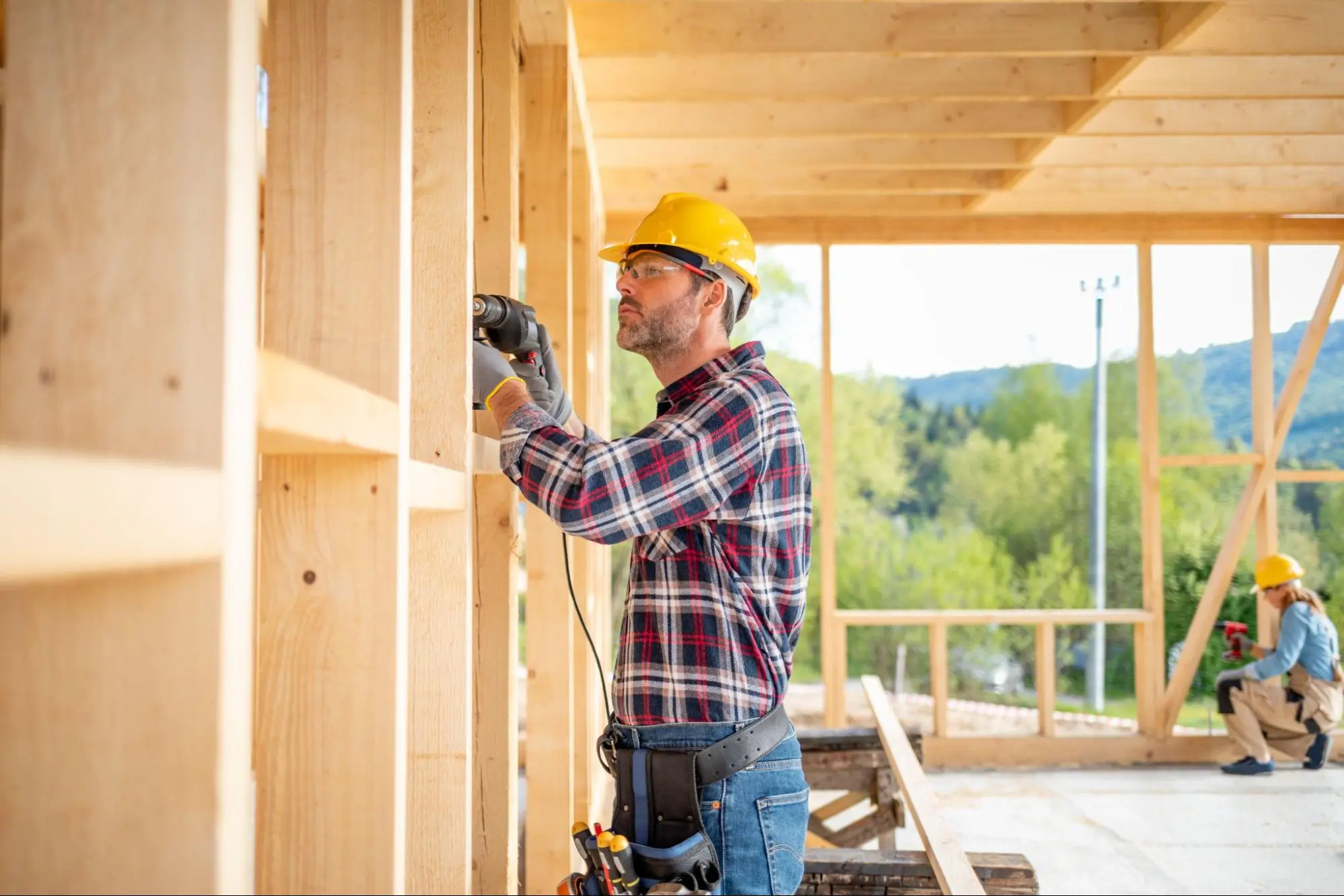
Handymen play a crucial role in custom home builds by handling essential tasks that ensure quality and efficiency. Their responsibilities encompass various maintenance and installation duties that contribute to the project’s overall success.
A handyman’s core responsibilities include performing essential maintenance and repairs throughout the construction process. This may involve addressing issues such as drywall repair, fixing doors, and ensuring that windows are properly installed and sealed.
The handyman is also tasked with light plumbing work, such as installing sinks or repairing leaks. Regular inspections of electrical systems can help prevent future issues, so ensuring that all light fixtures function correctly is vital. Beyond these tasks, you focus on general maintenance, ensuring all areas are safe and functional.
Being proactive in identifying potential problems saves time and money. Whether it’s touch-up painting or fixing cabinets, your keen eye for detail ensures the project stays on track.
A handyman’s expertise in installation and renovation projects is vital in a custom home build. This includes tasks like installing flooring, shelving, and cabinetry. You carefully follow project specifications to ensure that every piece is installed correctly.
They also oversee outdoor work, such as installing decks or patios, ensuring safety and design standards are met. Your skills extend to finishing touches, including painting and applying trim, which enhance the home’s appearance.
In renovation projects, you help turn outdated spaces into modern ones. For example, you might update a kitchen layout or renovate a bathroom, maximizing function and beauty. Your ability to manage these tasks efficiently is essential for the overall success of a custom home build.
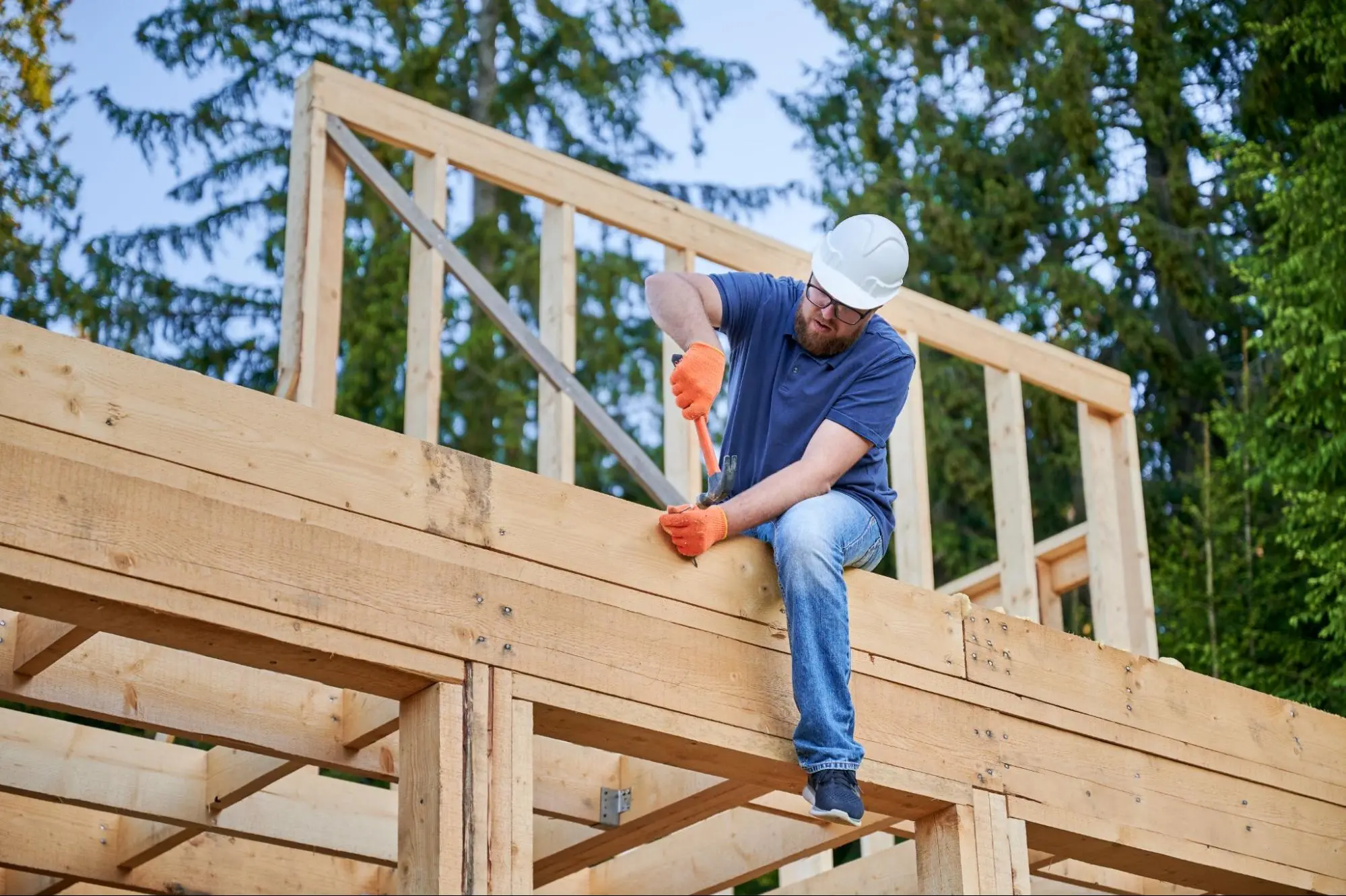
A handyman must possess a blend of skills and knowledge to successfully navigate the custom home-building process. Key qualifications include understanding local regulations, having relevant licenses and insurance, and forming effective partnerships within the industry.
A handyman prioritizes compliance with local regulations and building codes. These rules ensure safety and quality in construction projects. They have the necessary licenses and permits for the specific tasks.
Building strong relationships with contractors, homeowners, and other businesses is a core attribute of a handyman. A reputable handyman possesses a good network of clients, which attests to his credibility and professionalism.
Active communication is vital. A handyman keeps clients informed about project progress and any issues that arise. This creates trust and can lead to repeat business or referrals.
A reliable handyman solves problems and collaborates effectively with all parties involved in the project. Their ability to manage these relationships can significantly impact your success.
Working with a skilled handyman can save you time and reduce stress during the building process. A handyman is your go-to person for tackling various jobs, big and small. Their versatility can be a significant asset as you create your dream home.
When you choose handyman services like Kaminskiy Care and Repair, you gain access to expertise in both repairs and custom installations. Our team of professional handymen can assist in your custom home projects. Contact us today
A handyman can handle a variety of tasks during construction, including basic repairs, installations, and maintenance work. They often assist in smaller projects that support the main construction efforts, ensuring smooth operations.
A handyman should have practical skills and experience in construction. They often need a high school diploma or equivalent. Certifications in specific trades, like plumbing or electrical work, can also be beneficial, showcasing their expertise.
Common services from handymen include minor repairs, drywall installation, painting, and flooring work. They may also assist with fixtures and appliances, ensuring everything is installed correctly and functions well.
A handyman typically works under the direction of a general contractor or lead builder. They may follow specific instructions and timelines to complete tasks efficiently. Good communication is essential to ensure that everyone is on the same page.
Enhancing your home’s aesthetics doesn’t have to break the bank. With a bit of planning and creativity, you can transform your living space into an inviting environment without spending a fortune. Focus on simple, budget-friendly projects that you can tackle yourself or seek help for, and you’ll notice a big difference in your home’s appeal.
From fresh paint colors to smart furniture arrangements, there are countless ways to improve your home’s look on a budget. Engaging in DIY projects can not only save you money but also give you a sense of accomplishment. Additionally, knowing when to call in a professional can help you make the most of your renovations and ensure the job is done right.
By taking a strategic approach to your home improvement efforts, you can create a beautiful space that reflects your style. This article will provide you with practical tips and ideas to enhance your home’s aesthetics while keeping your budget in check.
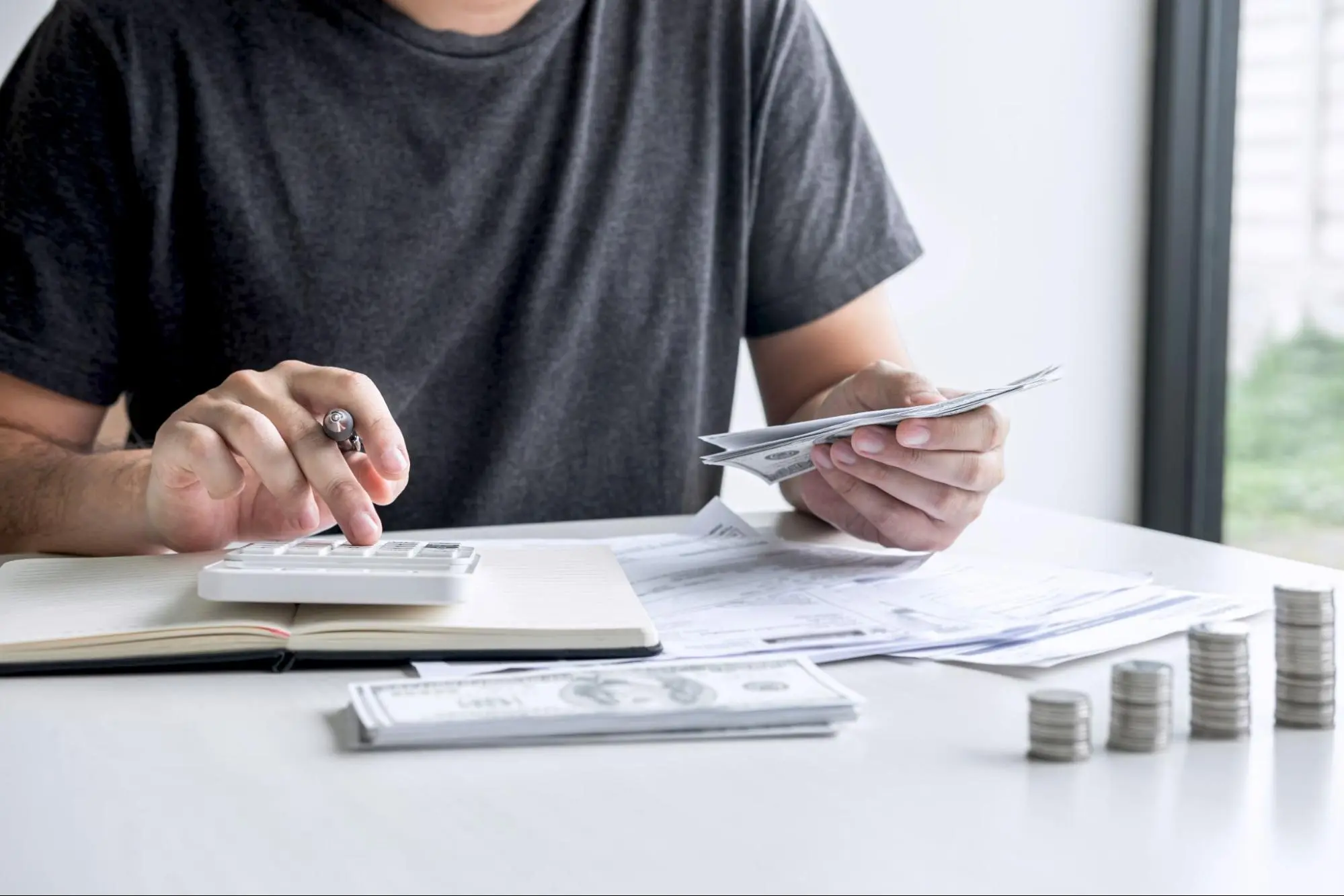
Creating an appealing home aesthetic on a budget requires careful planning and smart allocation of funds. By developing a clear design plan and setting a realistic budget, you can enhance your home without breaking the bank.
Start with a solid design plan. Define your style and decide which areas need improvement. Consider themes, colors, and materials that complement each other.
Make a list of must-haves versus nice-to-haves. This can help prioritize changes without overspending. Think about projects that add value, such as updating fixtures or painting walls.
You should also create a vision board. Collect images, paint swatches, and fabric samples. This can serve as a guide as you purchase materials. A well-thought-out plan minimizes confusion and helps you stay focused on your goals.
Once your plan is clear, it’s time to set a budget. Start by estimating costs for each item on your list. Use online resources or local stores to get price ranges.
A good rule is to reserve about 10-20% of your budget for unforeseen expenses. This contingency fund is crucial for handling surprises without financial stress.
Keep in mind your home’s value. Focus on cost-effective renovations that enhance its appeal, such as landscaping or backsplash updates. Setting a budget that aligns with your plan helps you maintain financial control throughout the process.
Smart fund allocation is key to effective budgeting. Divide your total budget into categories based on your design plan. For instance, set aside money for labor, materials, and permits.
Prioritize expenses that yield the highest return. Invest in areas that dramatically improve appearance, like upgrading lighting or door handles.
Monitor spending closely as you progress. Adjust your purchases if you notice you are going over budget in one area. Always keep your contingency fund in mind to ensure you handle any unexpected costs without derailing your project.
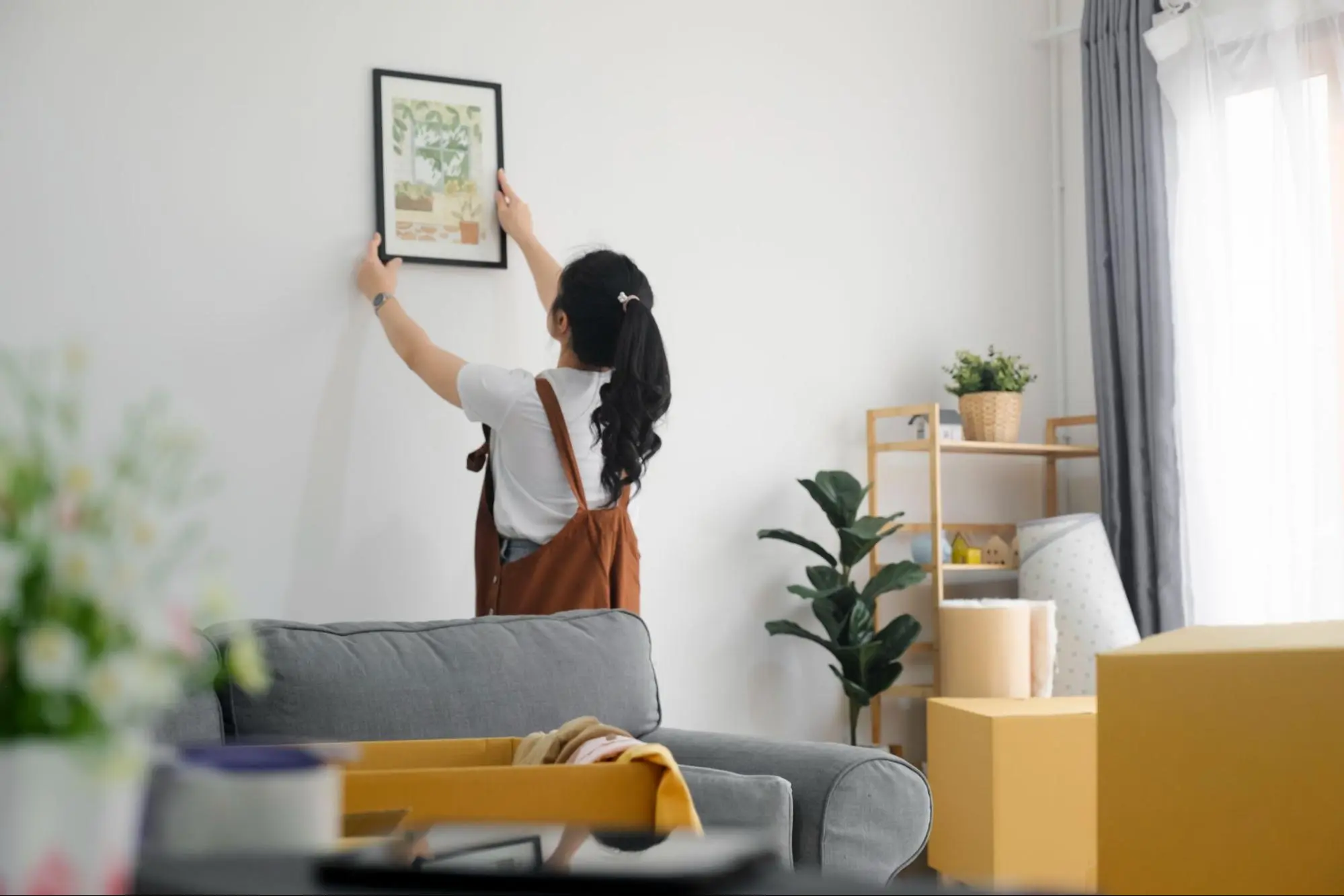
You can transform your home’s aesthetic without spending a fortune. Simple do-it-yourself projects can enhance your living spaces, create comfort, and express your style. Here are some impactful ways to get started.
A fresh coat of paint can breathe new life into any room. Choosing a bold color for an accent wall can create a focal point and add visual interest. Consider using removable wallpaper for textured accents without the commitment of paint.
When selecting your colors, think about your color palette. Light colors make a space feel larger, while deep shades create a cozy atmosphere. Paint is not just for walls; don’t forget about furniture or even cabinetry. Stripping and repainting old furniture pieces can also contribute to a room’s character and comfort.
Shelves can significantly improve both organization and aesthetics in your home. Use floating shelves to display decorative items or books. This frees up floor space and draws the eye upward, adding height to the room.
You can customize shelves to match your style. For a unique touch, consider using reclaimed wood or colorful brackets. Baskets or bins can hide clutter while maintaining a neat appearance. This approach ensures your home remains functional while showcasing your creativity.
Replacing old fixtures and hardware is a simple way to enhance your home’s look. Switch out cabinet knobs, drawer pulls, and light fixtures with modern options. This can update the feel of your kitchen or bathroom without a full remodel.
When selecting hardware, consider finishes that coordinate with your overall design. Metallics like brass or matte black can add sophistication and suit various styles. Changing ceiling fans or faucets can reflect your style and improve your home’s comfort level. Minor updates can yield significant results in creating a polished look.
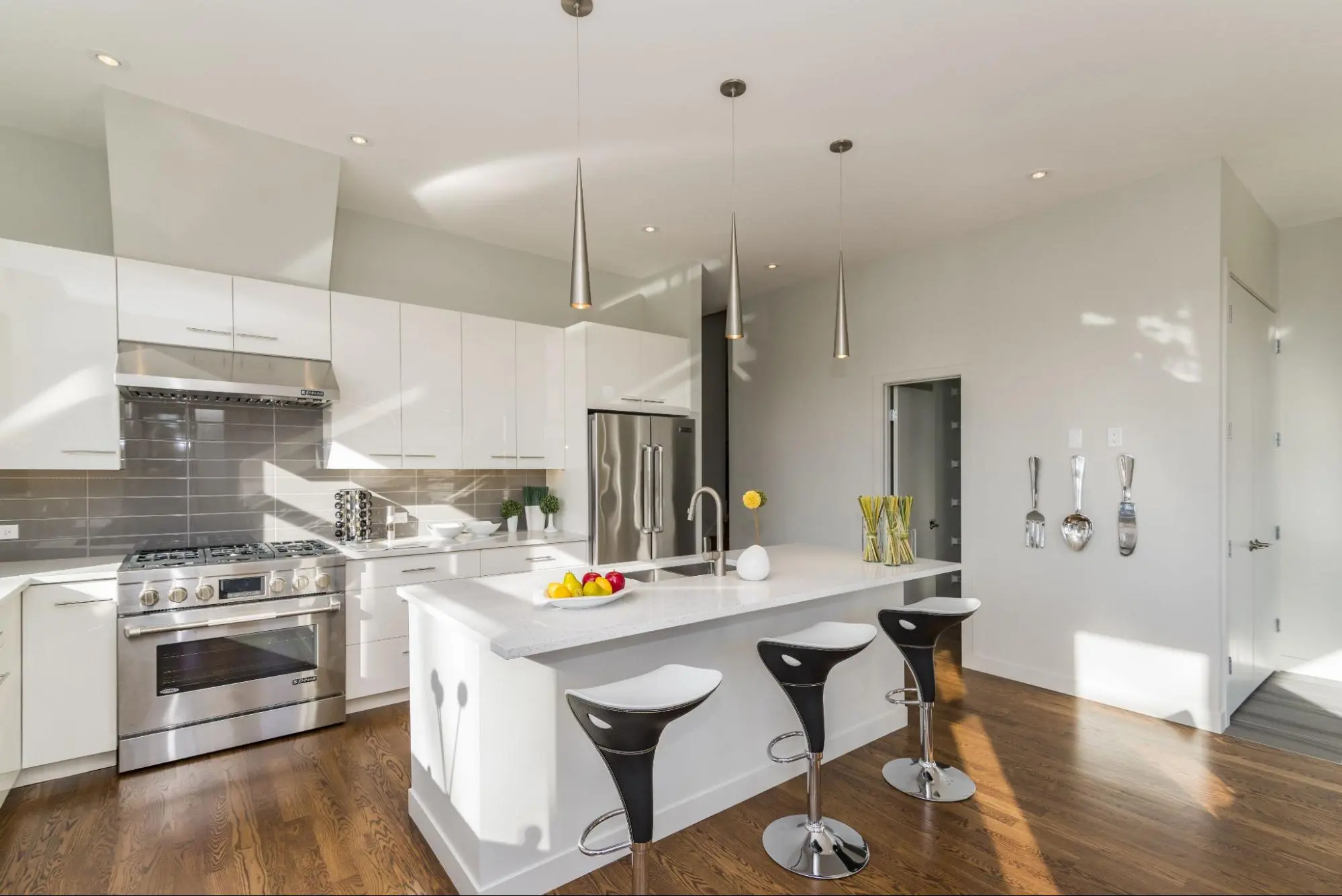
Making strategic home enhancements can significantly increase your property’s value. Focus on impactful upgrades that enhance elegance and functionality, especially in high-use areas like kitchens and bathrooms. Choosing quality materials and skilled contractors is essential for successful renovations.
Kitchens and bathrooms are key areas that can boost your home’s value. You can achieve a fresh look without a complete remodel. Here are budget-friendly ideas:
Proper flooring options, like hardwood floors, can add warmth. Consider lighting upgrades that enhance ambiance, especially in communal areas. These changes can improve your kitchen and bathroom’s appeal without overspending.
When renovating, energy efficiency and quality materials should be top priorities. These choices improve aesthetics and reduce utility costs.
Choosing the right materials can enhance beauty and efficiency, making your home more attractive to potential buyers.
Consider repainting walls with fresh, neutral colors. This can instantly brighten your space. You can also rearrange furniture to create a new layout, which often requires no spending at all. Adding some new throw pillows or a few plants can also refresh the room.
Start by giving your front door a fresh coat of paint in a bold color. This is a small change that makes a big impact. Updating house numbers for a modern look can also enhance curb appeal. Additionally, maintaining your lawn and landscaping can add to a polished exterior.
Focus on decluttering first. A clean and organized space looks more inviting. Rearranging art and photographs can also give your walls a fresh look. Simple updates, like new hardware on cabinets, can dramatically change the room’s appearance.
Group similar items together to create visual interest on shelves. Rearrange decorative pieces or change their locations to create fresh vignettes. Adding a fresh coat of paint to furniture can also help it stand out in a new way and feel like new again.
Your water heater is essential to your home, providing hot water for daily tasks like bathing and cooking. Taking care of this appliance can save you money and extend its lifespan. By implementing simple maintenance tips, you can ensure your water heater runs efficiently for years.
Even though water heaters are built to last, they can develop issues over time if not properly maintained. Regular checks and minor adjustments can prevent significant problems down the line. Following these tips can help you maximize the performance and durability of your water heater.
Flushing your water heater tank regularly is an important step in maintaining its health. Over time, sediment and mineral deposits build up at the bottom of the tank. This can lead to rust and leaks, which shorten the unit’s lifespan.
You should flush your water heater at least once a year. This process helps eliminate sediment and keeps your heater running efficiently. To do this, connect a garden hose to the drain valve at the tank’s bottom.
Before starting, make sure to turn off the power to the water heater and set the thermostat to the “pilot” setting if it’s gas. Once the system is off, open the drain valve to let the water flow out.
Be cautious while draining the tank, as the water is hot. Direct the hose into a suitable location, like a floor drain or outside. You may need to let it run until the water is clear of sediments.
After draining, close the valve and disconnect the hose. Turn the water supply back on and let the tank fill again. Finally, reopen the shutoff valve and check for any leaks. This simple maintenance step can greatly improve the performance and longevity of your water heater.
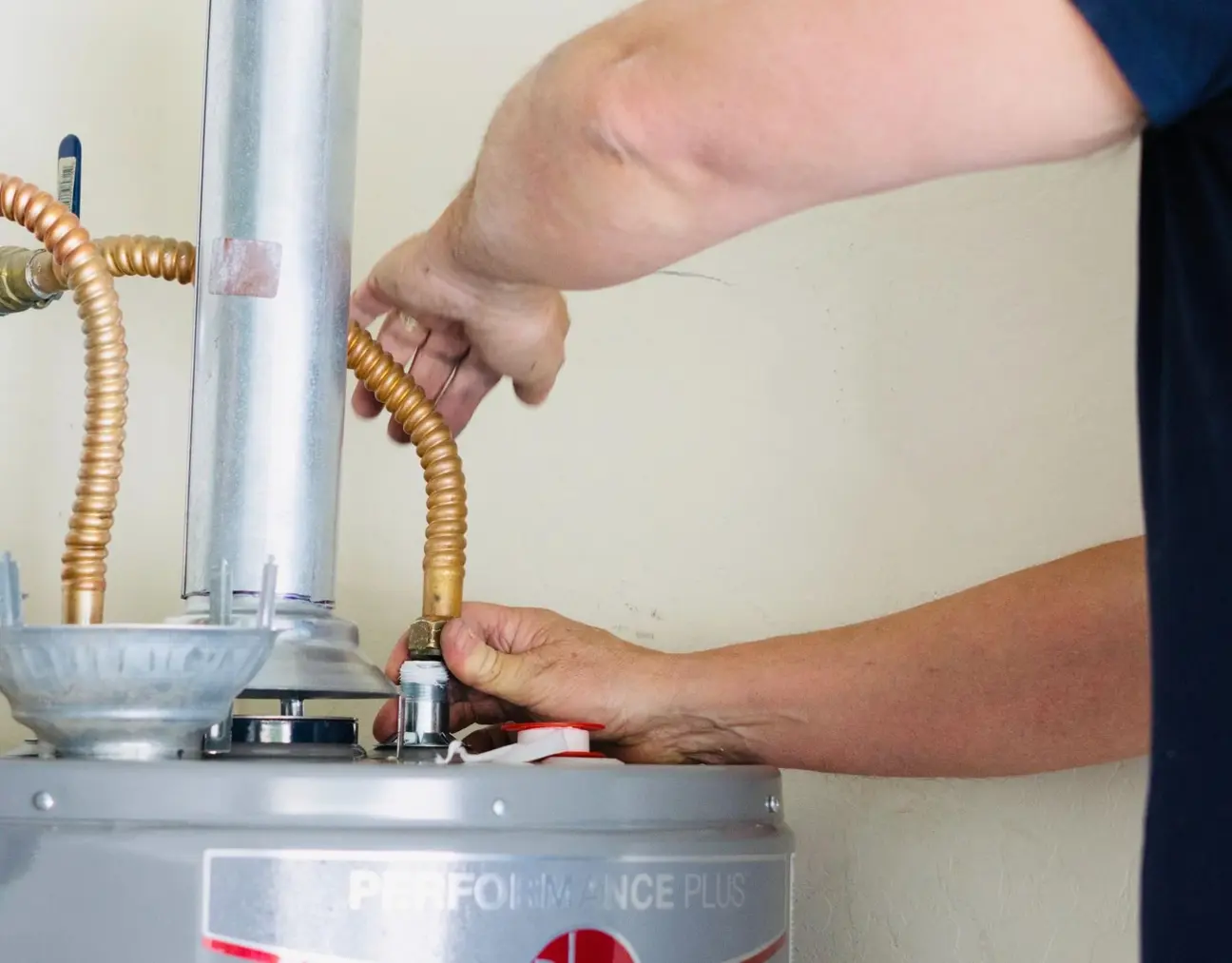
The anode rod is an important part of your water heater. It attracts corrosive elements in the water to help prevent rust and corrosion inside the tank.
You should check the anode rod at least once a year. If you have hard water, a more frequent inspection may be necessary. This will help you catch any issues early and extend the life of your water heater.
To inspect the anode rod, first, turn off the power and shut off the water supply. Then, drain a few gallons of water from the tank to lower the water level.
Next, locate the anode rod, usually at the top of the tank. You will need an appropriate wrench to remove it. Once you pull it out, inspect for signs of corrosion. If it looks worn down or less than half an inch thick, replace it.
Replacing the anode rod is simple. Slide the new rod into place, first tightening it by hand. Use a socket wrench for a final tightening, but be careful not to over-tighten.
By maintaining your anode rod regularly, you can keep your water heater running effectively and delay costly replacements. Regular checks can save you both time and money in the long run.
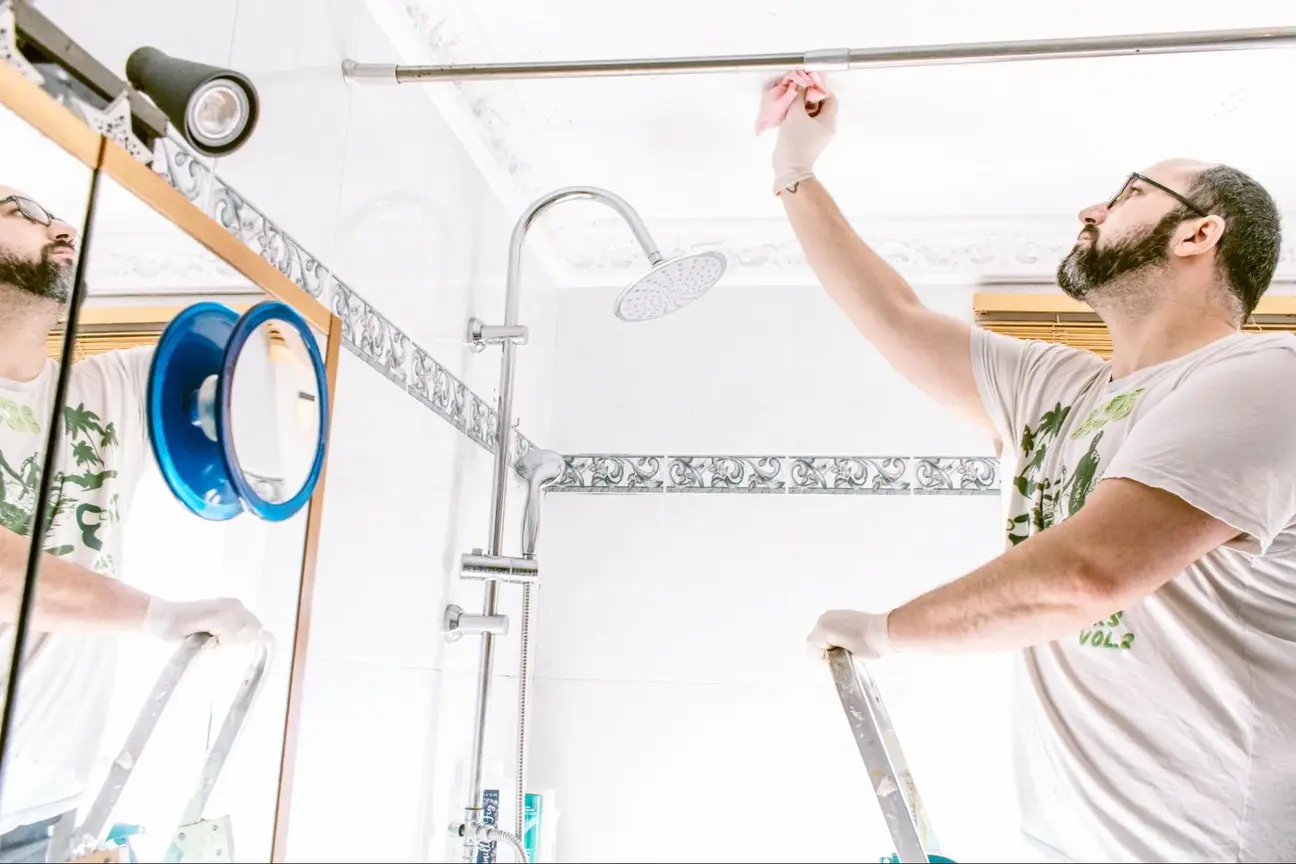
Insulating your water heater is an effective way to improve its efficiency and lifespan. This simple step reduces heat loss, which means your heater doesn’t have to work as hard to maintain the desired temperature.
You can use water heater insulation blankets, which are widely available. These blankets wrap around the tank, providing extra protection from the cold. Make sure your blanket is the right size for your heater.
Pay attention to the pipes as well. Insulating the hot water pipes helps retain heat as water travels to your faucets. This step not only saves energy but also provides hot water more quickly.
Before installing insulation, check the manufacturer’s instructions. Some water heaters come with built-in insulation, and excessive insulation may cause issues. It’s essential to ensure your heater vents are safe.
Also, remember to leave the thermostat and any safety devices exposed. Your heater’s components need to function correctly for it to operate safely and efficiently.
These steps allow you to enjoy a well-insulated water heater that lasts longer and operates more efficiently. Proper insulation is a simple yet effective maintenance strategy for extending your unit’s life.
Testing the pressure relief valve is an essential step in maintaining your water heater. This valve helps prevent excessive pressure buildup, which can be dangerous.
Start by turning off the power supply to your water heater. If you have an electric model, switch off the breaker. For gas heaters, set the gas control to “pilot” or “off.”
Next, locate the pressure relief valve, usually found on the top or side of the tank. You might see a lever on the valve. Carefully lift this lever to open it. Water should flow out, indicating the valve is working properly. If no water comes out, the valve may be stuck.
After testing, close the valve and clean any spilled water. Make sure you check the valve regularly, at least once a year. This ensures it remains functional and can protect your water heater from serious issues.
It may need replacement if you notice leaks or the valve does not open. A faulty valve can lead to pressure buildup, risking damage to your water heater.
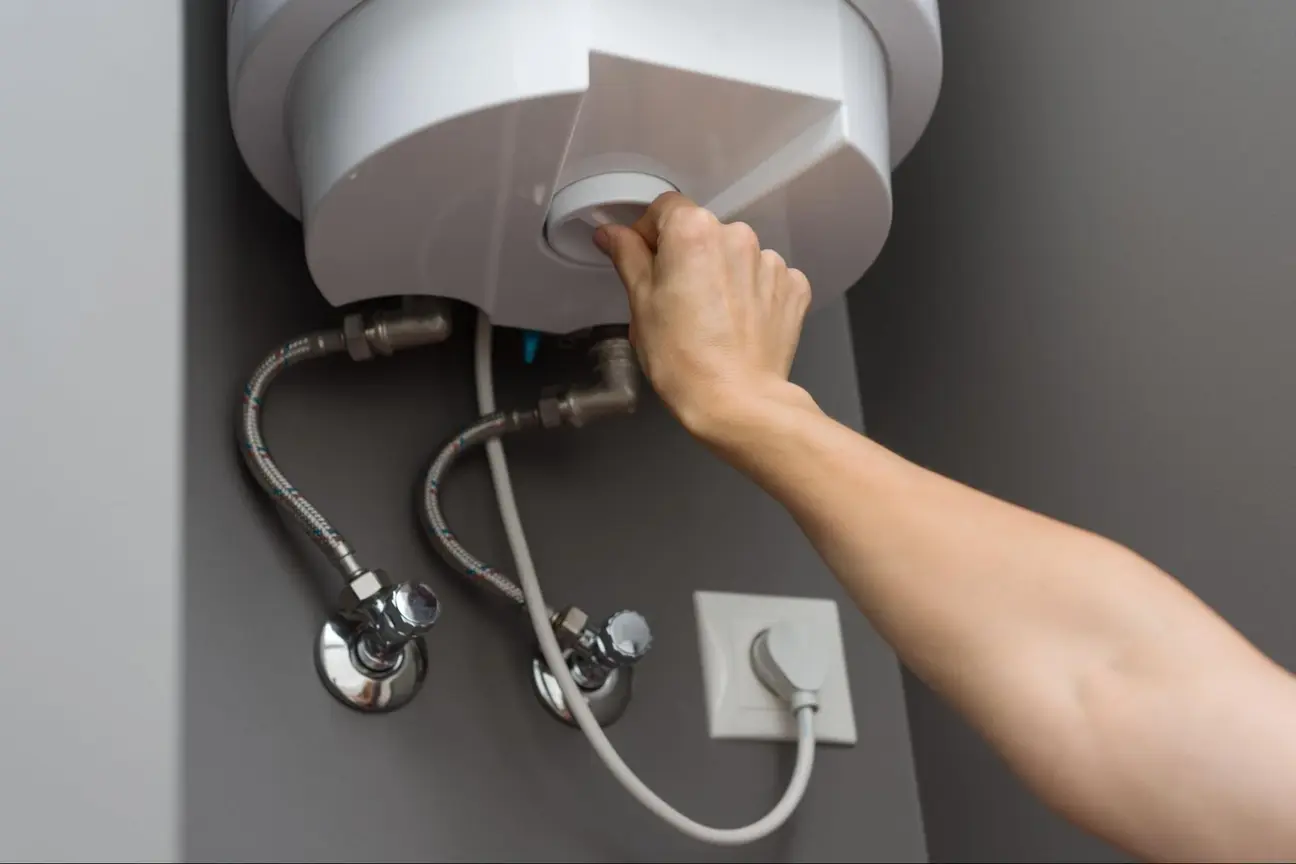
Lowering the thermostat on your water heater can significantly extend its lifespan. Setting the temperature to around 120°F is both safe and efficient.
A lower temperature not only reduces energy use but also minimizes wear and tear on the heating elements, helping your heater function more effectively over time.
Higher temperatures can lead to quicker sediment buildup in the tank. This buildup can cause your water heater to work harder, which shortens its life.
Adjusting your thermostat is easy. Most water heaters have a dial or digital display for this purpose.
You should also check the manufacturer’s recommendations for temperature settings. Following these guidelines will help you maintain an optimal temperature.
Be mindful that setting the temperature too low can promote bacteria growth. Keep it within the recommended range for safety.
Regularly checking and adjusting the thermostat can keep your system running smoothly. This simple maintenance tip can also prevent costly repairs or replacements in the future.
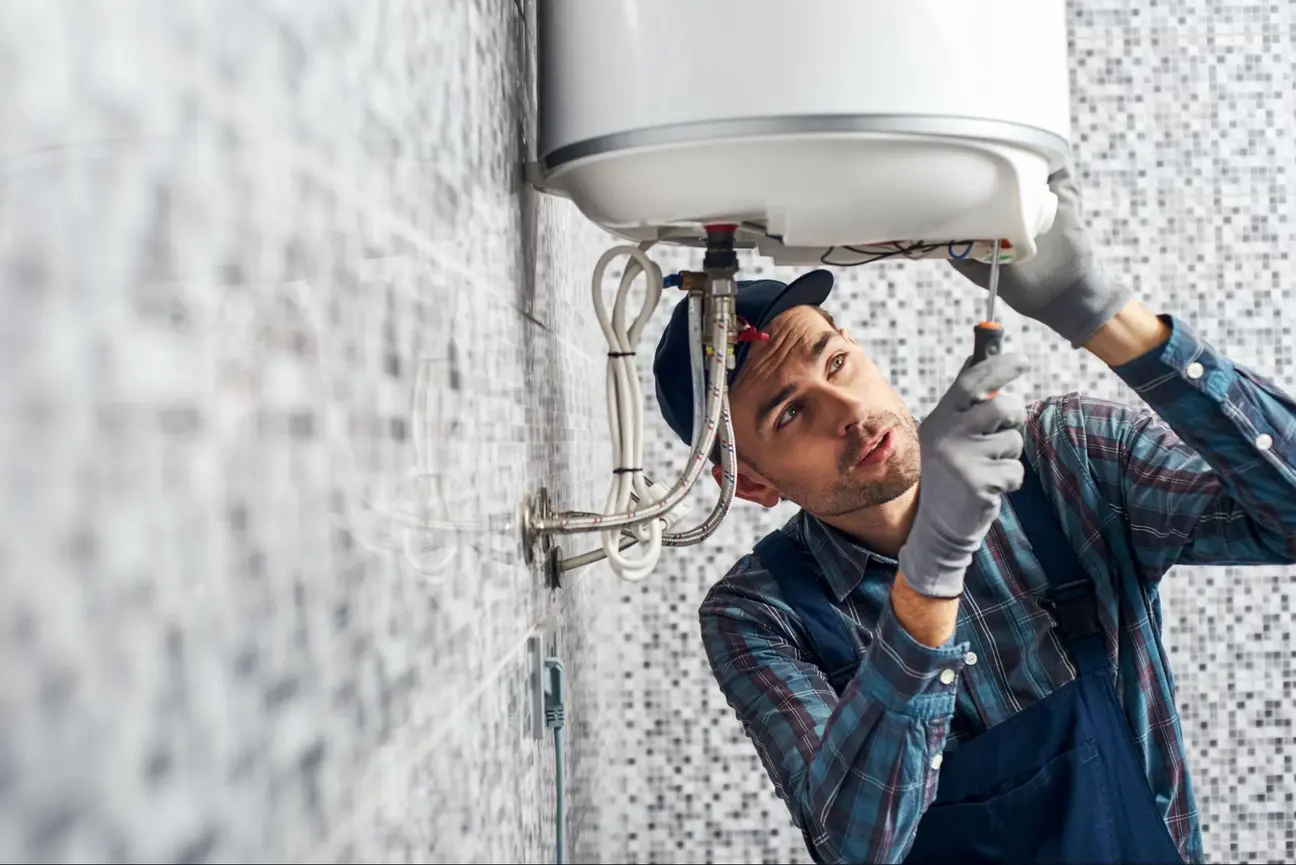
Regular professional maintenance is essential for the longevity and efficiency of your water heater. Knowing when to call a technician and what to expect during a service visit can help you maintain your unit effectively.
If you notice any unusual signs with your water heater, consider calling a professional. These include strange noises, like popping or rumbling, indicating sediment buildup. Additionally, check for any leaks around the base of the unit. If your hot water supply fluctuates or if the water temperature is inconsistent, it may also be time to seek help.
Routine inspections by a professional every year are vital. They can spot potential issues early on. If you experience a sudden increase in energy bills, this can signal inefficiency requiring an expert’s attention. It’s best not to wait until a major breakdown occurs to get professional assistance.
During a service visit, the technician will inspect your water heater thoroughly. They typically start by checking the thermostat settings and ensuring they are at the proper levels.
Next, they will examine all connections and pipes for leaks. Flushing the tank is a common procedure performed to remove sediment, which can improve efficiency.
They will also check the anode rod, which helps prevent rust buildup. If this rod is significantly corroded, they may recommend replacing it.
Finally, you can ask the technician questions about your unit or maintenance tips. This visit helps ensure your water heater runs smoothly and lasts longer.
The best practices include regularly flushing the tank to remove sediment buildup, checking the anode rod annually, and insulating the water heater to retain heat. Testing the pressure relief valve is also crucial to ensure safe operation.
You should perform maintenance at least once a year. This includes flushing the tank and inspecting components like the anode rod and pressure relief valve. Regular maintenance helps catch issues early and keeps the system running efficiently.
Common signs include unusual noises, fluctuating water temperatures, and leaks around the base. If you notice rusty water or an unpleasant odor, these may also indicate the need to repair or replace your water heater.
If you’re like most homeowners, you’re probably looking for ways to save money on your energy bills. Fortunately, you can use several handyman techniques to reduce your home energy bills without sacrificing comfort. From optimizing your heating and cooling systems to upgrading to energy-efficient appliances and fixtures, there are many steps you can take to make your home more energy-efficient.
Optimizing your heating and cooling systems is one of the most effective ways to reduce your energy bills. Sealing air leaks, adding insulation, and upgrading to a programmable thermostat can keep your home comfortable while reducing energy consumption.
Upgrading to energy-efficient appliances and fixtures can help you save money on your energy bills. For example, replacing your old incandescent bulbs with LED bulbs can save up to 75% of your lighting costs.
This article will explore the most effective handyman techniques for reducing home energy bills. Whether you want to save money, reduce your carbon footprint, or make your home more comfortable, these tips can help you achieve your goals. So let’s get started!
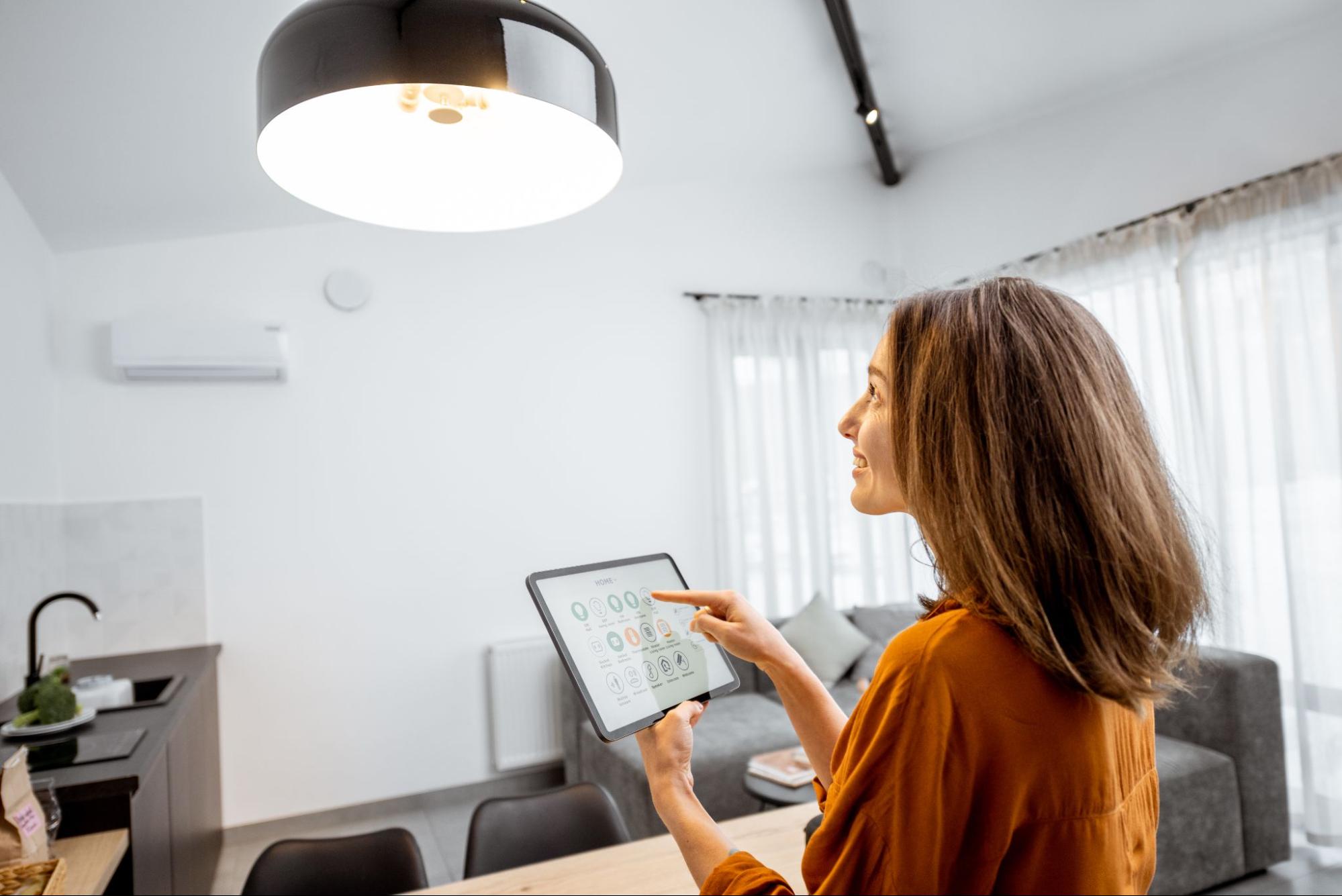
Reducing your home’s heating and cooling costs is a great way to save money on energy bills. This section will explore a few handyman techniques for optimizing heating and cooling systems.
A smart thermostat can help you save money on your energy bills by automatically adjusting your home’s temperature based on your schedule and preferences. With a smart thermostat, you can turn your heating and cooling systems off when you’re away from home and turn them on before you return.
Sealing air leaks and insulating your home can help prevent drafts and keep your heating and cooling systems from working overtime. Check for air leaks around windows, doors, and other openings, and seal them with weather stripping or caulking. Insulate your attic, walls, and floors to help keep your home warm in the winter and cool in the summer.
Regular maintenance of your heating and cooling systems can help ensure they run efficiently and effectively. Change your furnace filter regularly to improve airflow and prevent dust and dirt from clogging your system. Schedule an HVAC professional to perform an energy audit of your home to identify any inefficiencies in your heating and cooling systems.
By implementing these handyman techniques, you can optimize your heating and cooling systems and reduce your home’s energy bills.
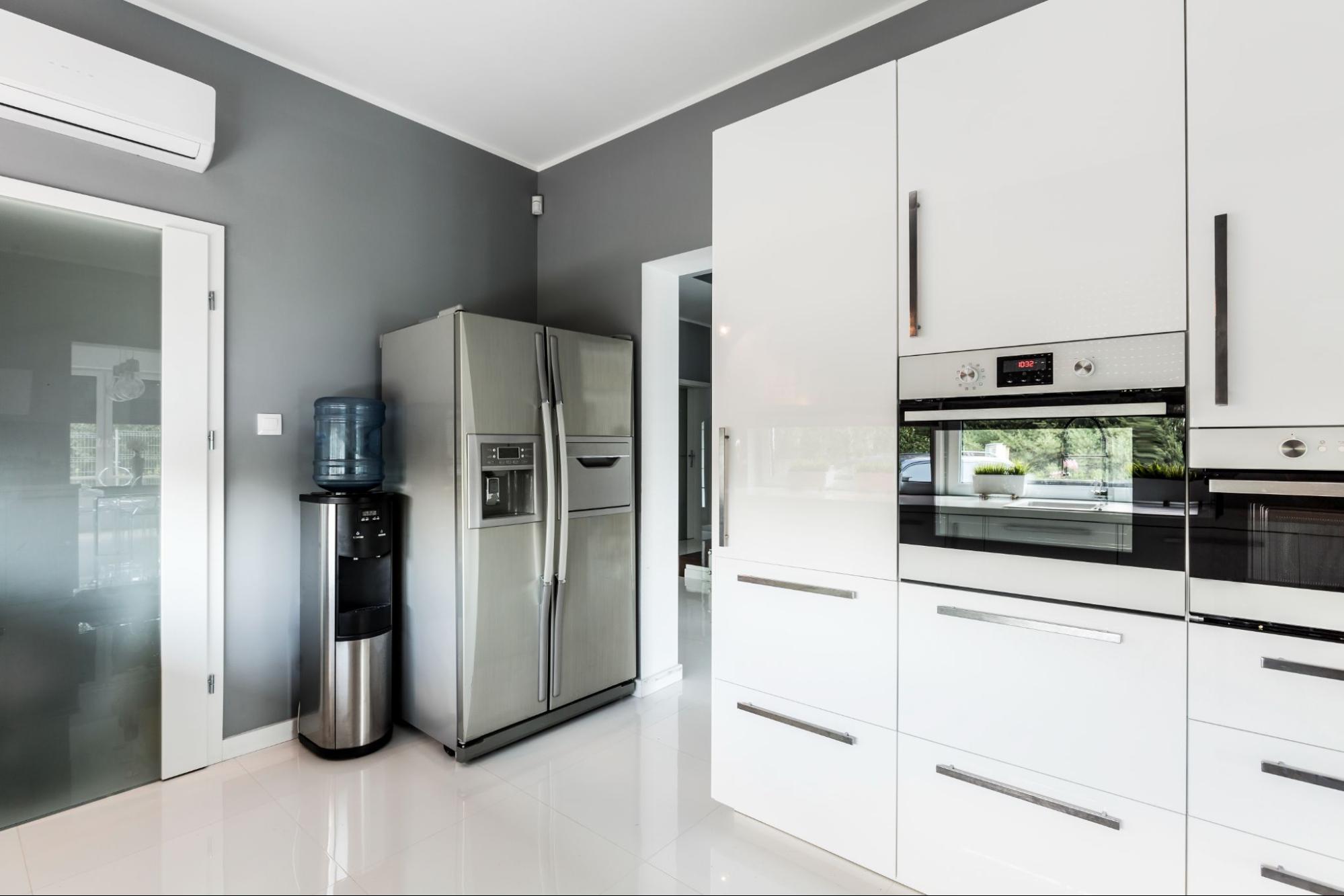
Reducing your home energy bills is an excellent way to save money and help the environment. One of the best ways to achieve this is using energy-efficient appliances and fixtures. In this section, we’ll discuss some of the most effective techniques you can use to reduce your energy consumption.
When shopping for new appliances, look for the Energy Star label. Energy Star products are designed to use less energy than traditional appliances, which can help you save money on your energy bills.
Some of the most common Energy Star products include refrigerators, dishwashers, washing machines, and dryers. These appliances are designed to use less water and electricity, which can significantly reduce your energy bills.
Water heating is one of the most significant energy expenses in most homes. Consider installing a low-flow showerhead and a low-flow toilet to reduce water heating costs. These fixtures are designed to use less water than traditional fixtures, so you’ll use less hot water.
You can also consider installing an energy-efficient water heater, such as a tankless or heat pump water heater. These appliances are designed to use less energy than traditional water heaters, so you’ll save money on energy bills.
Lighting is another significant energy expense in most homes. To reduce your lighting costs, consider switching to LED bulbs. LED bulbs use less energy than traditional incandescent bulbs, which means you’ll save money on your energy bills.
You can also consider installing a smart power strip, which can help you reduce your energy consumption by automatically turning off electronics when they’re not in use. Finally, consider installing ceiling fans, which can help you reduce your cooling costs in the summer by circulating air throughout your home.
Using energy-efficient appliances and fixtures is an excellent way to reduce your home energy bills. You can also significantly reduce your energy consumption by choosing Energy Star products, improving water heating efficiency, and using LED bulbs and smart power strips.
Reducing your home energy bills is a great way to save money and help the environment. You can significantly reduce your energy consumption by implementing handyman techniques and making a few changes around your home.
One of the most effective ways to save on energy bills is by sealing gaps and cracks around your home. According to reports, sealing gaps and cracks can reduce heating and cooling costs by an average of 15%. Weatherstripping, caulk, or foam can seal gaps around your home’s windows, doors, and other areas.
Another way to reduce energy consumption is to upgrade to energy-efficient appliances. Energy Star-rated products are super efficient and can save you a lot of money on your utility bills.
Proper insulation is also crucial for reducing energy bills. You can avoid wasting energy by keeping a consistently comfortable temperature in your home from top to bottom. Adding or upgrading insulation in attics, floors over crawl spaces, and basements can help maintain a comfortable home and reduce energy consumption.
In summary, reducing your home energy bills is achievable by implementing some handyman techniques. Sealing gaps and cracks, upgrading to energy-efficient appliances, and adding proper insulation are just a few ways to reduce energy consumption and save money. For professional home insulation, contact Kaminskiy Care and Repair.
Effective insulation techniques include using weatherstripping, caulking, and sealing air leaks around windows, doors, and other openings. Adding insulation to your attic, walls, and floors can also help reduce heat loss and gain. Insulating your water heater and pipes can reduce heat loss and save energy.
Energy-efficient appliances such as refrigerators, dishwashers, washing machines, and dryers can significantly reduce power consumption. Look for appliances with ENERGY STAR® ratings, which indicate that they meet strict energy efficiency guidelines set by the U.S. Environmental Protection Agency.
Weatherproofing doors and windows helps prevent air leaks, accounting for up to 30% of a home’s energy loss. By sealing these leaks, you can reduce the amount of heated or cooled air that escapes your home, leading to significant energy savings.
LED lighting is the most energy-efficient lighting option and can offer significant savings on home energy expenses. LED bulbs use up to 75% less energy than traditional incandescent bulbs and last up to 25 times longer. Additionally, using natural light sources like skylights and windows can help reduce the need for artificial lighting and save energy.
No one likes a sweltering home in the middle of summer or a chilly one in the winter. Keeping your HVAC system in tip-top shape can prevent these discomforts. Fixing common HVAC issues yourself can save you a lot of time and money. You can avoid expensive professional repairs by knowing what to look for and how to address minor problems.
One frequent problem is a clogged air filter, which can restrict airflow and reduce efficiency. It is crucial to check and replace your air filter regularly. If your AC blows hot air, it might be due to low refrigerant or a dirty evaporator coil. For issues like these, some DIY troubleshooting can often set things right.
When your HVAC system isn’t cooling or heating properly, it could be due to thermostat settings or clogged drainage pipes. Ensuring your thermostat is set correctly and cleaning your drain pipes can make all the difference. Learn these and other simple fixes to keep your home comfortable year-round.
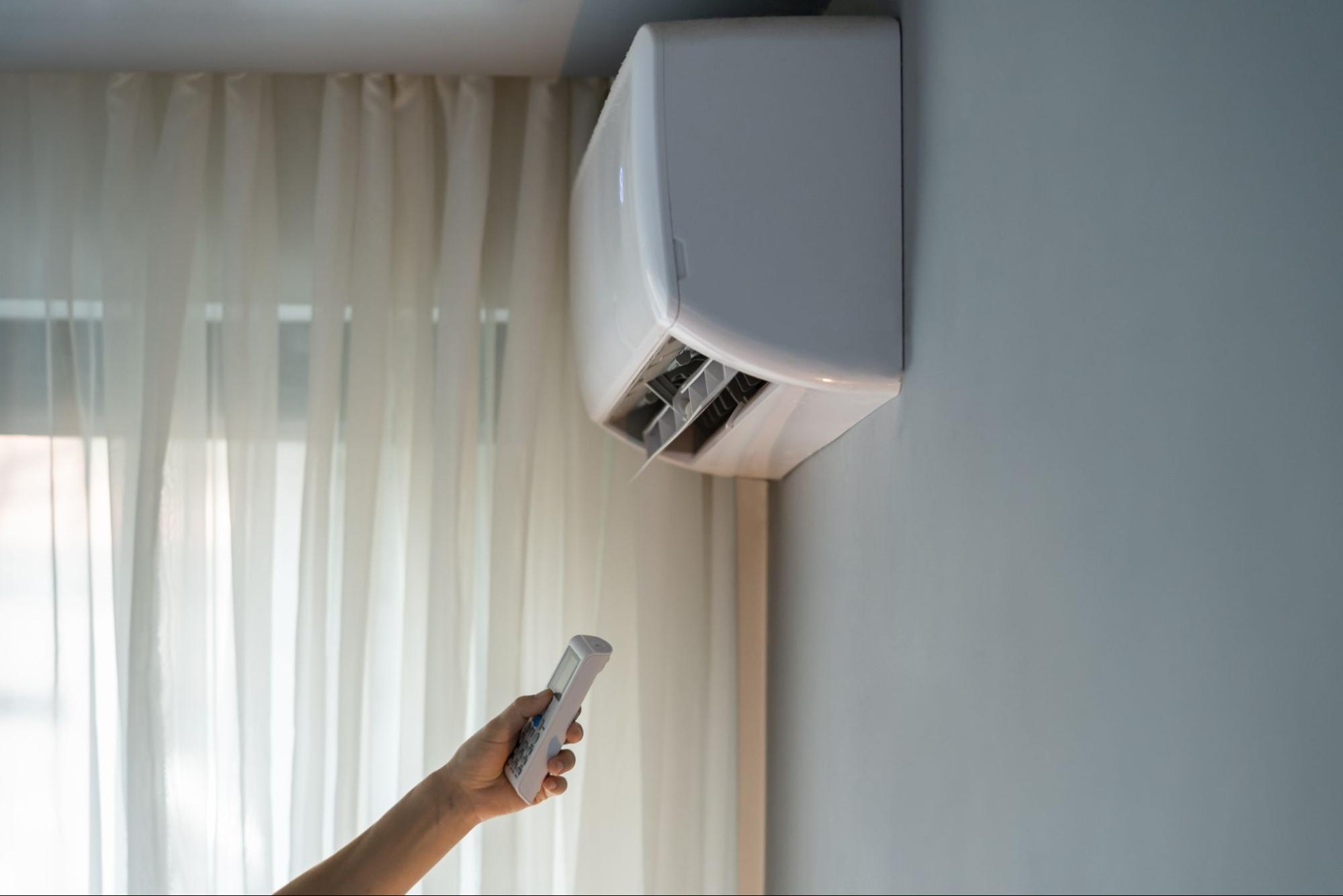
Correctly diagnosing and troubleshooting HVAC issues requires knowing your system inside and out, understanding common problems, and knowing when professional help is needed.
You should start by getting familiar with the essential parts of your HVAC system. These usually include the thermostat, air filters, ductwork, and vents.
Knowing these parts helps you identify the source of any issues.
Your HVAC system may experience various problems. Some common ones include insufficient heating or cooling, strange noises, and poor airflow.
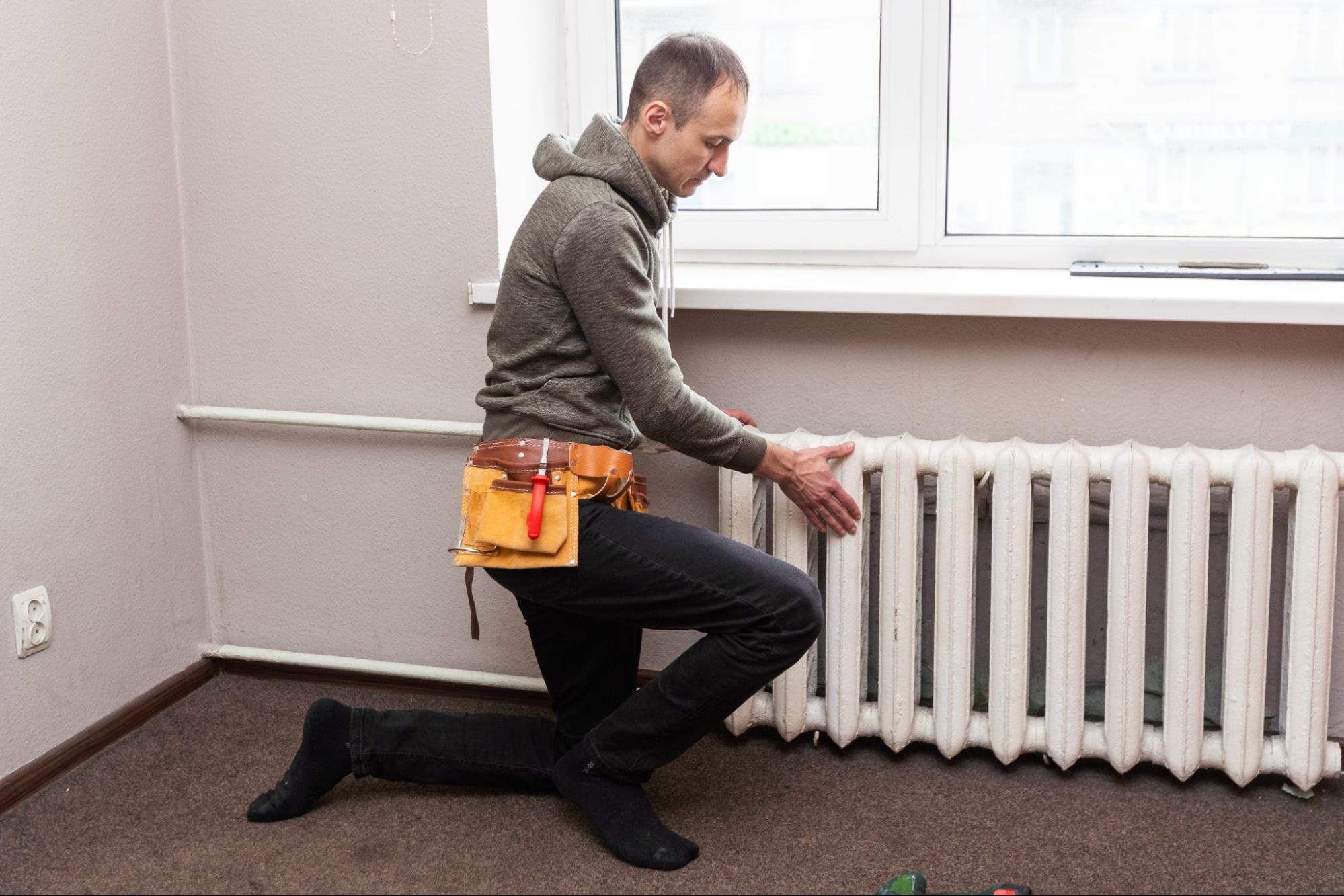
Basic tools, such as a utility knife, pliers, and a level, can help you handle many simple HVAC issues.
Common DIY Repairs include:
Other simple fixes:
There are times when you can’t fix the problem yourself. If your HVAC system is still not working after you’ve tried basic troubleshooting, it’s time to call a professional.
Regular maintenance by a professional can prevent many of these problems and keep your HVAC system running efficiently.
Maintaining and repairing your HVAC system is crucial for ensuring the comfort and efficiency of your home. Common HVAC issues, such as dirty filters, thermostat problems, refrigerant leaks, and uneven airflow, can be addressed with basic handyman skills and knowledge.
You can keep your HVAC system running smoothly and efficiently by regularly cleaning and replacing filters, calibrating your thermostat, inspecting and sealing ductwork, and checking for refrigerant leaks.
For more complex issues like electrical problems or major component failures, it’s best to consult with a professional HVAC technician. Understanding how to troubleshoot and fix these common HVAC problems can save you time, money, and discomfort, ensuring your home remains a comfortable haven year-round.
First, check the thermostat settings to ensure they are correct. Then, inspect the air filters and clean or replace them if they are dirty. Verify that vents are open and unobstructed. Finally, examine and clean the drain pan and drainage pipe.
Inspect the thermostat settings and air filters first. If the system still doesn’t cool, ensure that the vents are not blocked. You may also need to check the ductwork for leaks or blockages. In some cases, calling a professional might be necessary.
If you’re a homeowner, you know that the basement can be a valuable part of your home. It can serve as extra living space, storage, or even a place to escape during a storm. But if your basement is damp or prone to flooding, it can quickly become a headache. Waterproofing your basement is crucial in protecting your home and making the most of your space.
Understanding basement waterproofing can be overwhelming, but it doesn’t have to be. Several methods are available, each with its own advantages and disadvantages. The key is to choose the method that best suits your needs and budget. From exterior excavation to interior sealants, there are options for every homeowner.
Executing the waterproofing process can be daunting, but with the right guidance, it can be done successfully. By learning about the different methods and understanding the steps involved, you can confidently tackle the project and protect your home from water damage. In this article, we’ll guide you through the process of waterproofing your basement and answer some frequently asked questions.
If you’re a homeowner, you know how important it is to keep your basement dry. A wet basement can lead to many problems, including mold growth, structural damage, and compromised indoor air quality. Waterproofing your basement can help prevent these issues and ensure the longevity of your property.
A dry basement is essential for maintaining a healthy and safe living environment. Water intrusion can cause various problems, including foundation damage, water damage, and mold growth. It can also decrease the value of your home by up to 25%. Therefore, it’s crucial to identify and address any signs of a wet basement as soon as possible.
Some common signs of a wet basement include moisture, leaks, and cracks in the foundation. You may also notice musty odors or dampness in the air. It’s essential to address these issues promptly to prevent further damage to your home.
Several waterproofing solutions are available, including sealants, waterproof coatings, and drainage systems. The best solution for your basement depends on the severity of the problem and the type of foundation your home has. A professional waterproofing contractor can help you determine the best course of action.
Understanding basement waterproofing is crucial for maintaining a safe and healthy living environment. By identifying common waterproofing issues and selecting the appropriate solutions, you can protect your home from water damage and increase its value.
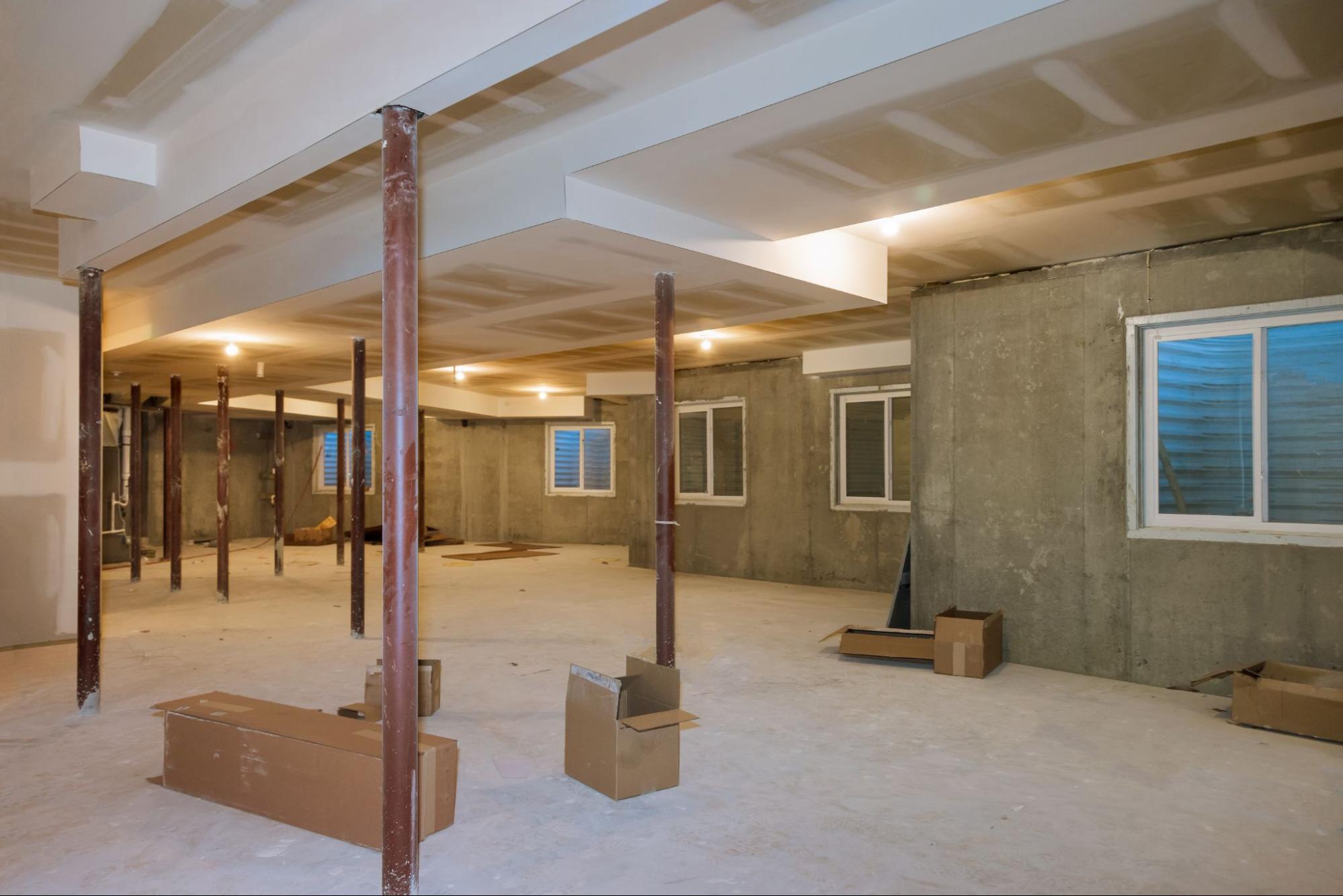
After completing the preparation and repairs, you are ready to start the waterproofing process. This section will cover the installation of waterproofing systems and finishing your basement after waterproofing. While you can do this on your own, it is highly recommended that you seek professional help from a basement waterproofing service for the best results.
Ensure your basement is free from cracks or damage before installing a waterproofing system. Inspect your basement walls and floors for cracks or leaks. If you find any, repair them before proceeding with the waterproofing process. You can use injection to seal the cracks and prevent water from seeping into your basement.
There are various waterproofing systems that you can install in your basement, including a sump pump and a waterproofing membrane. A sump pump will help pump out any water that enters your basement, while a waterproofing membrane will prevent water from seeping through the walls and floors. It is important to choose the right waterproofing system for your basement. You can consult with a professional to help you determine the best waterproofing system for your needs.
Once you have installed the waterproofing system, you can start framing your basement and installing electrical wiring. It is important to ensure that everything is properly sealed and insulated to prevent water from entering. After completing the framing and electrical work, you can finish your basement with the appropriate materials. This includes drywall, flooring, and any other finishing touches you desire.
In conclusion, the waterproofing process requires careful preparation and repairs, followed by installing the appropriate system and finishing touches. While you can do this independently, it is recommended that you seek professional help for the best results.
Waterproofing your basement is an essential step in maintaining your home’s structural integrity. With the right tools, materials, and knowledge, you can successfully waterproof your basement and prevent costly water damage.
One of the first steps in waterproofing your basement is to identify the source of moisture. This could be anything from a leaky pipe to poor drainage. Once you have identified the source of moisture, you can then take steps to address the issue.
Several methods for waterproofing your basement include exterior waterproofing, interior waterproofing, and drainage systems. Exterior waterproofing involves excavating the perimeter of your home and applying a waterproof coating to the foundation walls. This method is typically more expensive and time-consuming but is often the most effective.
Interior waterproofing involves applying a waterproof coating to the interior walls of your basement. This method is less expensive and invasive but may not be as effective as exterior waterproofing.
Another option is to install a basement drainage system. This involves installing a system of pipes and drains channeling water away from your home. This method is often very effective and can be combined with exterior or interior waterproofing for added protection.
If you are uncomfortable tackling a basement waterproofing project alone, consider hiring a professional like Kaminskiy Care and Repair. We have the knowledge and experience to properly waterproof your basement and prevent costly water damage. Contact us today
There are several effective methods for waterproofing basement walls from the inside, including applying waterproof coatings or sealants, installing interior drainage systems, and using waterproof wall panels. These methods can help prevent water from seeping through cracks in the walls and causing damage to your basement.
While DIY approaches can be effective for minor waterproofing tasks, such as sealing small cracks or applying waterproof coatings, professional basement waterproofing systems are often more reliable and long-lasting. Professional systems are typically designed to address the specific needs of your basement and can provide a more comprehensive solution to water intrusion.
Waterproofing a basement from the outside typically involves excavating the soil around the foundation and applying a waterproof membrane or coating to the exterior walls. This method can be more effective than interior waterproofing methods, as it prevents water from entering the foundation in the first place. However, it can also be more expensive and disruptive to your property.
Several drainage systems can be installed in a basement, including interior French drains, exterior French drains, and sump pumps. The best type of drainage system for your basement will depend on various factors, including the severity of the water intrusion, the layout of your basement, and your budget.
No price games. You get a clear written quote before any work begins, backed by our workmanship warranty.